





Helen McBride, a Stuart and Martin County resident as she was fond of saying, has died after suffering a stroke.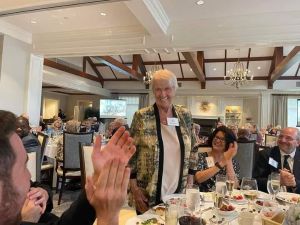
She had been a stalwart at attending meetings for years. Helen had served on a variety of advisory boards and committees over that time and had never been shy about speaking her mind to anyone.
Many will grieve the loss throughout our community. Until the stroke, she attended meetings, spoke out, and gave her neighbors advice on how the city and county worked. We will all miss her.
 More citizens should be active participants in their government. Today too many are Facebook warriors sitting on their phones and in scroll heaven. They believe they are getting something done by making comments and posts. They are not.
Helen made herself known the old fashion way…in person and up close. Too Bad more people don’t take a page from her playbook. St. Peter better watch out because if Helen feels something is wrong up there, she will tell him.
This week we are heavily invested in the comings and goings of Stuart. Things are not going well there, and they are about to get much worse. Chaos is the one ingredient that Chris Collins has brought to our politics and not for the better.
The Martin County Taxpayers have written a White Paper on the out-of-control BOCC travel expenditures. It is time that a policy is instituted and followed. We are waiting anxiously for the commissioners to fall into line with what so many other jurisdictions do.
We have all our great columns, Non-Profit Announcements, Constitutional Officers, and letters.
Sit back and have another cup of coffee as you read Friends & Neighbors.
Have a great Sunday Morning!
 That is part of a lyric from the musical, “No Strings” composed in 1962 with words and music by Richard Rogers. Rogers, a prolific 20th century composer, first teamed up with Lorenz Hart in 1919 to write the song “Any Old Place With You” which was in the Broadway show “A Lonely Romeo.” He was 17 years old.
Rogers and Hart were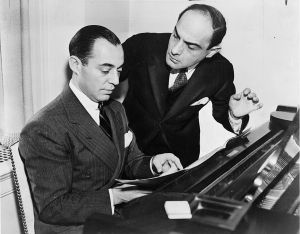 collaborators for the next 20 plus years writing some of the sweetest sounds in the Great American Songbook. Hart was gay, short, and hated himself. He literally drank himself to death. Richard Rogers wrote the music, and once Hart died, he needed the words. He teamed up with Oscar Hammerstein II to provide them.
“Oklahoma,” “Carousel,” “South Pacific,” “The King and I,” and “The Sound of Music” were their work. Hammerstein came from a theatrical family. Rogers, Hart, and Hammerstein all went to Columbia University. This is when college students were literate, and all three drew on both classic works of literature and music for inspiration.
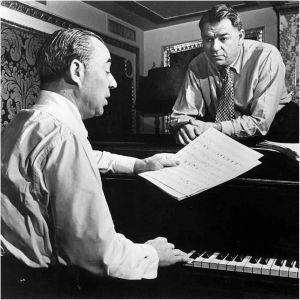 Hammerstein died in 1960 leaving Rogers once again partnerless. Rogers decided to continue without a partner and wrote “No Strings” which was very controversial at the time. It introduced Diahann Carroll and Richard Kiley as an interracial couple in Paris. “The Sweetest Sounds” opens and closes the musical.
It was the beginning of the civil rights movement. There was nothing to suggest that Carroll was Black except for her appearance and a line in the story that she was born north of Central Park. It was daring at the time. It was 1962…a time for hope before the death of Kennedy, King, and RFK. The riots that occurred a few years later for both civil rights and the Vietnam War were still to come.
Roger’s show ran for almost 600 performances…a hit at a time when Broadway was still mostly attended by New Yorkers…people like Richard Rogers, Lorenz Hart, and Oscar Hammerstein. Throughout the mid-20th century, the New York Jewish community was setting the taste and culture of America. Composers such as George Gershwan included reference to philosophers like the German Arthur Schopenhauer in popular song and everyday Americans knew who the philosopher was. That period in music and literature was coming to an end by the 1960s.
Rogers would go on to write both words and music for a song or two and collaborate with others for Broadway shows throughout the 1960s and early 1970s with declining ticket sales. Tastes were changing.
But beginning in 1919 until his death in 1979, I bet there were sweet sounds turning around in Richard Rogers head just waiting to be performed. I still can remember his lyrics and the haunting staging of “No Strings” that was so much a part of the times even though it was new and innovative in its theme and look. Imagine a Broadway story of a Black woman and a White man having a relationship where race is never mentioned.
The story took place in Paris and not New York. That tells us that America still had a long way to go. And America still has a long way to go in so many ways.
Friends & Neighbors is awarding its 2026 “Presidential Peace Award” to the 45th, the “real” 46th, and the 47th President of the United States, Donald J. Trump.

Most people will say, “so what?” Well at least the president is the only recipient of this ’26 first time award unlike the retread of the ’25 Nobel Peace Prize that he was given by Ms. Machado. Of course, the Nobel authorities had to reiterate that it doesn’t matter who ends up with the physical prize, it still was non-transferable.
I think our prize means more since Friends & Neighbors doesn’t want anything from Mr. Trump…nothing, nada. It is with sincere irony that we are doing this. Unlike FIFA who also awarded him a peace prize of sorts, we are not trying to curry favor. Nor are we attempting to stay out of prison and keep the arms flowing like Netanyahu who awarded the president his version.

I am quite surprised that the board of the Trump/Kennedy Center hasn’t given him the “Best Impresario” Award for his work there. On December 5th the State Department already changed the name of the United States Institute of Peace to the Trump Institute of Peace. And let’s not forget the Navy named its new class of battleships the Trump Class. That is a class of ships that reached its heyday more than 100 years ago.
 Not to be outdone, there is the Trump Gold Card for rich immigrants (the only kind we now embrace, and they better be White and preferably Nordic or Central European.) There are also “Trump Accounts” and “Trump Rx.” We shouldn’t forget the Trump 250-year-anniversary American coin and the Trump National Park Pass.
And of course, we will have the Trump Ballroom and perhaps the Donald J Trump White House that he will paint gold. Every first-born male must be called Donald in 2027. By 2028 the United States of America will be called the United States of Trump.

I heard that the Academy of Motion Picture Arts and Science will change the Oscars to the Donalds. The Emmys will become the Melanias, and the Tonys will here forth be known as the DJTs. The Grammys are holding firm but how long can that last?
Mr. President, let me know where you want me to send your peace award. It comes with a $1000 McDonald gift card. We at Friends & Neighbors know how to flatter your very large ego.
In its American edition, the Economist had a story regarding the death toll on Florida Brightline trains.
Last year 41 people died in accidents. The astounding fact was that not one of those deaths was the result of something Brightline did. The Federal Railroad Administration data excludes suicides. Yet the 41 deaths happened because people were either trying to cross the tracks when gates were down or walking on the tracks.
 Britain’s railways transported 1.7 billion passengers last year and a dozen people were killed on train tracks. Is Florida’s high rate another example of “Florida Man Syndrome?” Looking at the data, that is a reasonable conclusion to draw.
What Brightline lacks are sealed corridors, and it runs almost entirely on grade. Most other railroads in the U.S. and elsewhere usually have fencing along their tracks (a sealed corridor) or are above and below grade making it difficult for people to wander onto the tracks. The question should be why do so many people have death wishes.
South Florida needs an inter-city network of trains. Driving from the Treasure Coast to Miami or Broward is a nightmare. As population has increased, the roads have become increasingly congested. The only possible way we can move our citizens is by rail.
 The government pays for and maintains roads, airports, and ports. Tax dollars are the only way our transportation needs can be met. Brightline is an anomaly in the United State by being completely private.
We shouldn’t be confused with whether Brightline runs the railroad or another entity like Tri-Rail or Amtrak runs it. The point is to have a mass transit system to carry our residents between cities. Without another way aside from the automobile, South Florida including the Treasure Coast, will be gridlocked in 30 years.
Each year, the Martin County Fair fills with livestock barns, exhibit halls, and young people proudly standing beside projects they’ve worked on for months. While the fair is a beloved local tradition, youth exhibits represent something far greater than competition or ribbons. They are hands-on learning experiences that teach real-world skills that directly translate into future careers across every industry.
Youth involved in exhibits through programs like 4-H and FFA learn responsibility first and foremost. Raising a livestock project requires daily commitment. Animals must be fed, watered, groomed, and monitored for health before school, after extracurricular activities, on weekends, every day. This level of responsibility mirrors what employers expect in the workplace: showing up consistently, managing time effectively, and following through on commitments. These habits serve youth well whether they pursue careers in agriculture, business, healthcare, public service, or skilled trades.
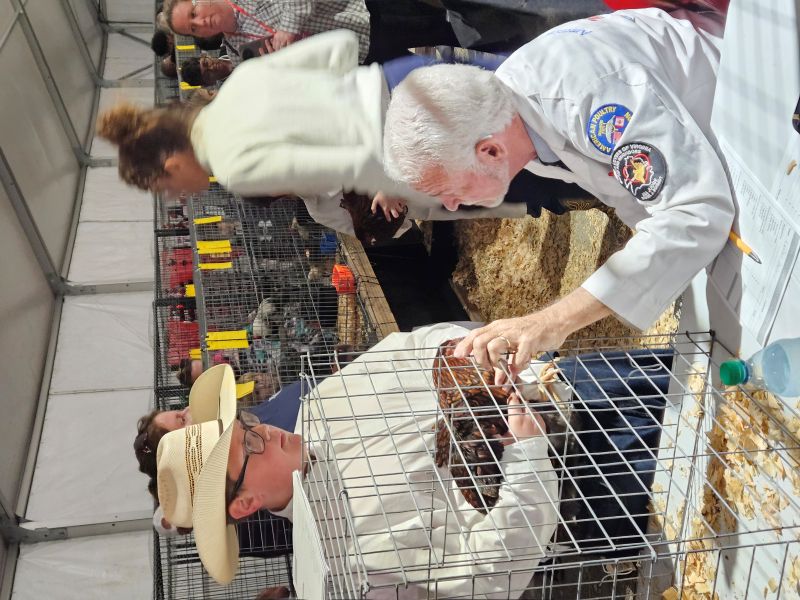
Project-based learning also builds problem-solving and critical thinking skills. Animals don’t always grow on schedule, feed costs fluctuate, and projects don’t always turn out exactly as planned. Youth learn how to adapt, make decisions, and overcome setbacks. These are all skills essential for careers in management, engineering, entrepreneurship, and any profession that requires flexibility and resilience.
Recordkeeping and budgeting are another important component of youth exhibits, particularly for livestock projects. Youth track expenses, feed efficiency, growth rates, and overall project costs. These financial literacy skills directly apply to careers in finance, accounting, business ownership, and project management. Understanding profit and loss at a young age gives exhibitors a strong foundation for making sound financial decisions later in life.
One of the most visible career-ready skills developed through 4-H and FFA projects is communication. Youth exhibitors are expected to speak with judges, fair officials, and members of the public about their projects. They explain how they cared for their animal, why they made certain decisions, and what they learned along the way. These conversations build confidence, professionalism, and the ability to clearly articulate ideas. These skills are critical in careers such as education, sales, healthcare, law, media, and leadership roles of all kinds.
As a member of the Martin County community, you can play an essential role in reinforcing these lessons. When adults stop to ask questions and engage young people in conversation, they validate the time and effort invested. Even a brief interaction can help a young person develop poise and confidence that carries into job interviews, presentations, and workplace interactions.
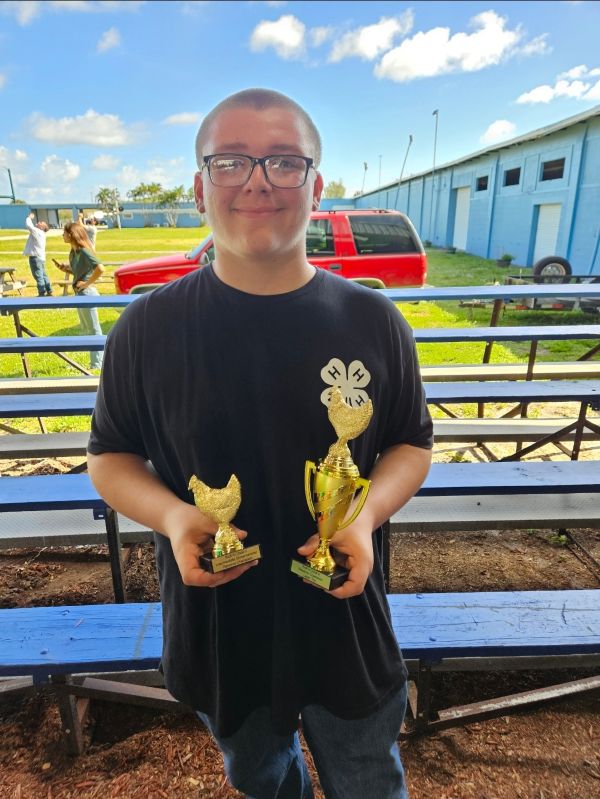
One of the most impactful ways to support youth exhibitors is by participating in the youth livestock sale. Purchasing a market animal is more than a transaction, it is an investment in workforce development. Sale proceeds often help youth fund future projects and save for college. Buyers also demonstrate that hard work, accountability, and learning have real value.
The 4-H and FFA exhibits you find at the Martin County Fair are shaping future employees, leaders, and entrepreneurs. By supporting these young people, our community is investing in a skilled, capable workforce prepared to succeed no matter what career path they choose. Please take time to engage with these exhibitors when you visit the fair.
David Hafner’s opinions are his own and may not reflect Friends & Neighbors viewpoint.
One of the most common questions we hear is, “Why would you return a friendly cat outdoors instead of placing them up for adoption?” It’s an understandable concern, and we recognize that it comes from a genuine desire to help animals. But the answer is more complex than people may realize.
A cat’s friendliness doesn’t always mean they’re better off living indoors. Many friendly outdoor cats have been thriving in their neighborhoods for months or even years. They may have dedicated caregivers, established routines, and a strong comfort level in the environment they know. Removing them simply because they’re approachable isn’t always in their best interest. In fact, relocation can be stressful and disorienting for a cat that already has a successful outdoor life.
We rely on Trap‑Neuter‑Vaccinate‑Return (TNVR) and Return‑to‑Field (RTF) programs to determine the most appropriate care for each cat that comes into our shelter. However, these decisions aren’t made by us alone. Our shelter’s TNVR and RTF programs are guided by research‑based current practices from the University of Florida Shelter Medicine Program and supported by national experts such as Best Friends Animal Society.
When a healthy outdoor cat enters our care, we provide spay or neuter surgery, vaccinations, flea treatment, a microchip, and an ear tip before returning them to their home territory. For many cats, this approach offers the safest, least disruptive, and most compassionate path forward.
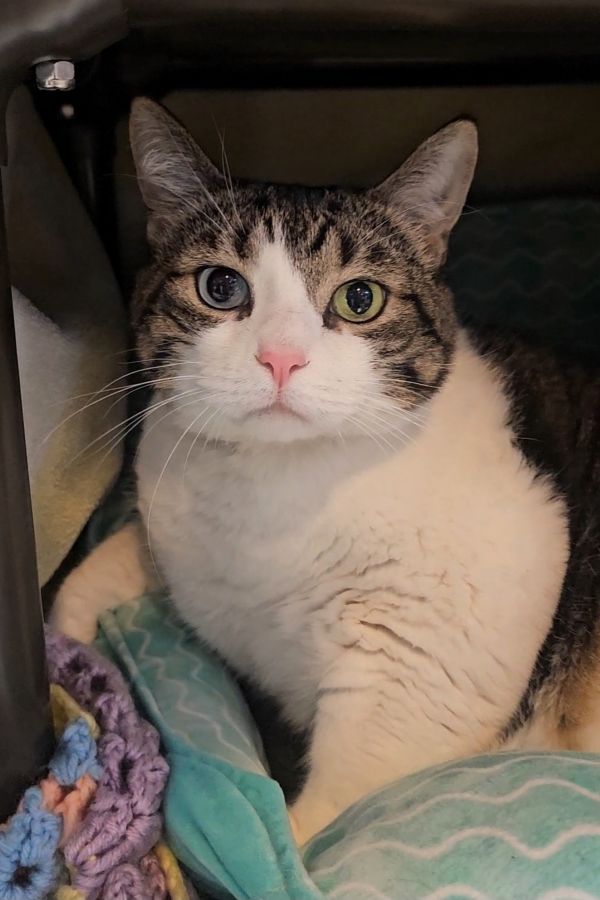
If shelters attempted to house every friendly outdoor cat, overcrowding would quickly become unmanageable, not just locally, but nationwide. Overcrowded shelters create stress for animals and reduce the ability to help pets that truly have nowhere else to go. RTF programs prevent the birth of more kittens that might face homelessness, while allowing shelters to focus resources on animals that urgently need intervention.
For community members who encounter a healthy cat outdoors, the best first step is patience. Most cats will return home on their own if left undisturbed. If a cat, without an ear tip, remains in your yard for several days, bringing them to a shelter for a microchip scan and spay/neuter check is a responsible next step. If the cat is already ear tipped, that means they have been already been sterilized through the TNVR program and can be safely left in their community.
If you ever see a cat that appears sick or injured, contact us or Martin County Animal Services so we can assess their condition and determine the best pathway. Our TNVR program is free in Martin County and we even have traps to loan if needed.
We’re grateful for a community that cares about the welfare of cats. Every decision we make is rooted in compassion and a commitment to healthier cats and fewer kittens, and we thank you for supporting our mission to save lives.
To learn more about TNVR and best practices, visit https://sheltermedicine.vetmed.ufl.edu/2025/05/15/study-tnr-and-rtf/
Frank Valente's opinions are his own and may not reflect Friends & Neighbors viewpoint.
Recent events in Minneapolis have once again drawn national attention to questions of justice, public safety, and the dignity of life. For many, these moments stir deep emotions—grief, anger, fear, confusion, and fatigue. For others, they reopen wounds that never fully healed.
As people of faith, we do not look away from moments like these—but neither do we rush to easy answers. The world is complex, and the answers seem impossible.
 Scripture reminds us that God is near to the brokenhearted (Psalm 34:18) and that we are called to be people who “seek justice, love kindness, and walk humbly with God” (Micah 6:8). Those words do not offer simple solutions, but they do offer a faithful posture: humility, compassion, and courage. While scripture doesn’t often tell us what to do, it doesn’t call us to do anything either.
In times of tension, the church’s calling is not to inflame the division that has infested our country but to bear witness—to the sacred worth of every person, to the power of truth spoken in love, and to the hope that transformation is possible. We are called to listen deeply, to pray honestly, and to stand alongside those who are hurting. Make no mistake, our country is deeply wounded.
Faith requires long looks in the mirror reflecting on our role in the trials of the world. Faith does not mean avoiding hard conversations. Rather it means engaging those conversations with grace. It means holding one another in prayer, especially when our perspectives differ. Faith is a willingness to admit where we are wrong. And it means trusting that God is still at work—bringing light into places that feel heavy and uncertain.
If our country is to heal, it won’t be done by weaponizing our words. It won’t be done by holding weapons in our hands. It won’t be done by weaponizing scripture. The only way to heal is through love and compassion. Through grace and understanding. By shining a light of Christ into the dark places. By respecting the dignity of everyone. By recognizing that we are all created in God’s image.

People of faith, it is long past time for us to put away the political garbage and be the church. We must stop worshiping whoever your political golden calf is. If we are to be the Christian nation we claim to be, we need to start acting like it.
As a community, let us continue to pray for the people of Minneapolis, for community leaders and first responders, for those who are grieving, and for all who long for peace and justice. May we be guided by Christ’s call to love our neighbors, seek reconciliation, and live as people of hope.
Chad Fair's opinions are his own and may not reflect Friends & Neighbors viewpoint.
One of the questions I get asked most often is some version of: “How do you do business development?”
People expect me to talk about pipelines, lead funnels, cold outreach, or some secret marketing sauce. And sometimes I surprise them a little when I say, “Honestly, it starts with relationships, and then strategy gives those relationships momentum.”
That answer doesn’t always sit well in a world obsessed with growth hacks and instant results. But for me, and for Firefly, it’s the truth.
Not every business relies on the same mix, of course. If you’re selling widgets worldwide to other businesses, or launching a brand-new skincare product online, you need traditional sales, marketing, paid ads, SEO, analytics, and all the things. You need scale. You need reach. You need strategy built for volume.
 But many small businesses live in a hybrid world where reputation leads and marketing reinforces it.
Professional service firms. Consultants. Designers. Accountants. Attorneys. Real estate professionals. Family-owned restaurants. HVAC and plumbing companies. People whose reputations walk into the room before they do.
For businesses like ours, the most powerful form of business development is trust. And trust doesn’t come from a pitch deck. It comes from showing up consistently, doing what you say you’ll do, and treating people well over a long period of time.
Some businesses can build nearly their entire client base through word of mouth and referrals. And even now, in the age of algorithms and sponsored posts, organic social media still plays a role in that. Not as a sales tool, but as a credibility builder and amplifier. A way for people to get a feel for who you are, how you think, and whether they want to work with you.
I’ve always believed that ownership of a business, especially a small one, is less about selling and more about stewardship. You’re tending something. Relationships. Reputation. Community. You don’t force growth. You earn it.
 Is the same true for the local Italian restaurant? Or the air conditioning company that answers the phone at 2 a.m. in August? I think so. Maybe not entirely. But mostly.
People return to places where they feel known. They recommend businesses that treated them fairly. They remember who showed up when it mattered.
One of the great joys of owning Firefly has been watching relationships evolve over years. A coffee turns into a collaboration. A professional connection becomes a friend. A private sector client becomes a board member of a beloved, nonprofit client. Business comes not because we chased it, but because someone trusted us with it.
That doesn’t mean strategy doesn’t matter. It does. But strategy works best when it’s built on real relationships.
At its heart, business is human. And when you build it that way, it not only works, it feels good.
And that, to me, is the kind of success worth chasing. At Firefly, we help organizations show up consistently and authentically. If that matters to you, let’s start with a conversation. Email me at stacy@fireflyforyou.com.
Stacy Weller Ranieri's opinions are her own and may not reflect Friends & Neighbors viewpoint.
The foresight and planning of Florida Commerce Park says a lot about Indiantown. It’s a 100-acre industrial site with the basics already in place—roads, drainage, water, sewer, power, and fiber—plus rail service with a 4,000-foot CSX siding. Located on SR-710 with access to the Turnpike, I-95, and the Port of Palm Beach, and supported by major power and nearby natural gas infrastructure, it sits in a Qualified Opportunity Zone. For a serious operator, the message is clear: this site is ready to do work.
The desire to prepare is the reason Indiantown incorporated in the first place. Local control meant the community could decide how land would be used and how infrastructure would be prioritized. It meant big parcels could be used for big, important projects.
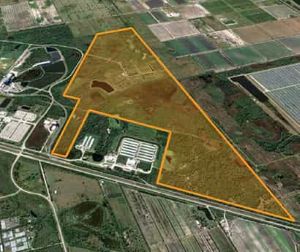 The market confirmed this reality in 2025, when a roughly 606-acre industrial site near Florida Commerce Park sold in one of the largest recent industrial land transactions in Martin County. A buyer looked at the acreage, the zoning, the access, and the utility profile and saw opportunity. It is an opportunity for both the Village and the developer.
Public approvals show the same planning and interest in industry. The Village is moving forward with the Sedron Technologies biosolids processing facility, an industrial project on Village property. Forward thinking is advancing Indiantown’s economic opportunities while creatively addressing infrastructure constraints. It is a brilliant partnership.
The Grind Hard Ammo site plan shows more of Indiantown’s capacity for serious industrial work. The Village approved a major site plan for a 26,116-square-foot primer manufacturing facility on roughly 19 acres at SW Farm Road and NW Silver Fox Road. It includes five explosives storage magazines laid out for safety and controlled access.
Adequate water and sewer are often the limiting factors for quality development, and Indiantown has been building capacity here too. In 2025, the Village announced $22.5 million approved toward a reverse osmosis water treatment plant, followed later by a $17.2 million state award—$9.3 million for the RO facility and $7.9 million to replace 13,000 feet of the main transmission line. These investments will provide capacity for more economic opportunities.
Housing has been moving in along with employment opportunities, and Terra Lago is the biggest public example. The project has been described as providing “attainable home ownership opportunities,” with prices starting around $300,000. Tis is really important for our community, as housing costs have been pushing working families away.
Site selector requests highlight Indiantown sites with acreage, power, natural gas, fiber, water, sewer, and logistics access. Other tools are available to help projects move once a site fits, including Opportunity Zone and Foreign Trade Zone advantages, federal incentive programs, and workforce training pipelines tied to local programs.
Indiantown is not waiting for attention. It has been building the fundamentals in the right order—land, utilities, approvals, and workforce alignment. The projects showing up now reflect decisions made years earlier by a Village that was incorporated to control its destiny and has stayed focused on job growth and contributory industry. The inland part of Martin has always held the space for real work. Indiantown is proving it again.
Bill West’s opinions are his own and may not reflect Friends & Neighbors viewpoint.
Stuart doesn’t face a growth problem. It faces a leadership problem - and the rest of the Treasure Coast is beginning to prove it.
Look around. Palm Beach County, Jupiter, and Hobe Sound to our south are moving forward with purpose. They’re attracting employers, approving housing with guardrails, and - most importantly - projecting confidence. To our north, Fort Pierce, Port St. Lucie, and even Vero Beach are no longer punchlines. They’re ever-improving their infrastructure, courting businesses, and sending a clear signal: we know where we’re going.
And then there’s the City of Stuart.
For years, our city commission – now completely being misled by the likes of Mayor Christopher “Boss” Collins, Laura Giobbi, and Sean Reed - have confused obstruction with stewardship and theater with leadership. Projects stall. Decisions feel personal instead of professional. Small businesses face increasing uncertainty in 2026 and beyond. Homeowners feel squeezed. And the message to the outside world is unmistakable: Stuart is hard to deal with and run by the incapable.
Markets don’t argue. They simply go elsewhere.
When neighboring cities become easier, clearer, and more functional, pressure doesn’t disappear - it concentrates. Housing demand spills into Martin County without the planning to absorb it. Commercial tenants are skipping downtown Stuart now and looking north or south. Employers don’t fight city hall; they avoid it.
 This isn’t about loving or hating growth. It’s about whether the people elected to govern understand economics, timing, and consequences. And they don’t at all. Strong leadership shapes outcomes. Weak leadership creates drift and drift is deadly for small towns pretending nothing has changed.
The irony is painful. Stuart has everything going for it: location, beauty, history, and a community that actually cares. But assets without leadership are liabilities waiting to happen.
The August 2026 city commission elections are not symbolic. They are corrective. This isn’t a vote about ideology - it’s a vote about competence. About whether residents want leaders who’ll collaborate, listen, and plan… or continue down the path of conflict, delay, and eroding public confidence.
 Small towns don’t usually collapse. They get bypassed.
And the most dangerous moment isn’t when voters are angry - it’s when they quietly stop believing things can get better.
If Stuart wants to remain a place people choose - not avoid - it must choose leaders who understand that governing isn’t performance art. It’s responsibility.
The squeeze is now already upon us all.
August 2026 is when residents decide whether it tightens - or finally gets relieved. Get involved and active and take back Stuart, Florida via this most-important upcoming election for City Commissioners.
Andy Noble’s opinions are his own and may not reflect Friends & Neighbors viewpoint.
Amidst the gaggle of dystopian and apocalyptic novels and movies that have saturated the collective psyche over the past two decades, our collective consciousness has been flooded by competing messages of impending doom and invocations to join collective solutions. In historical memory, this is not new. Human history has been shaped by the interplay between social systems and psychological needs. Since antiquity, societies have been shaped by an amalgamation of government structure and religious purpose.
We live in constant tension between individual existence and community, the matrix of society and affiliations. We have two inner conversations; our own inner voices and our relationships with the external world. In an increasingly secular world, we could redefine religious purpose as our individual mission statements. This duality was described by the father of social science Emile Durkheim as homo duplex. We live individual lives until we are called upon to join a collective, the hive mind. The power of the hive mind functions like social glue, keeping members in common purpose.

According to a report by the American Enterprise Institute, 95% of Americans were meaningfully affiliated with a religion in 1960; this has decreased to 75%, though there is increasing distance between religious identity and religious affiliation. Increasingly, religious identity is not the same as meaningful religious affiliation. What happens when religious affiliation declines, leaving a vacuum for a new hive mind mission statement? Changes in societal belief systems have always led to turmoil and unrest, and this has led to the current appetite for tales of how it all could end. There are powerful societal belief systems that contend to replace older belief systems, and this has played out politically over the last generation, as militant belief systems have done direct battle with older belief systems to replace them.
The hive mind can become a vector of social contagion, which may explain the virulence with which American young adults have become comfortable with socialist movements in our large blue cities despite the lessons we should have learned from history. Social contagion could also explain the explosion in transgender identity over the last two decades. The Centers for Disease Control and Prevention report that 3.3% of high school students identify as transgender and another 2.2% have questioned their gender identity. In 1994, the Diagnostic and Statistical Manual of Mental Disorders (DSM) prevalence of transgender identity was 1 in 141000 (0.0007%); in 2013, the DSM reported 0.3 to 0.5% of adults identified as transgender.
The hive mind is often a driving force in dogmatic and militant politics. Proponents of opposing political views believe themselves to be righteous and their opponents to be uninformed at best and possibly malevolent. We have seen this before with the rise of Communism and Nazism. We are witnessing increasing organized violence and reactive counterviolence in American cities. The bully pulpit has become a hive switch. In his 2020 book The Parasitic Mind, evolutionary psychologist Gad Saad defined “the tyranny of political correctness” as an assault on reality testing and respectful public discourse.
The Apple TV 2025 series “Pluribus” offers us a timely dystopian morality tale of what happens when an extraterrestrial hive mind infects the entire world. The tale follows the choices made by the dozen people throughout the entire world who were immune to the mind virus. All humanity functions as one, and finally there is peace on earth. The moral code of the mind virus prohibits the taking of any life, though it allows for the recycling of those who die by natural causes or starvation to become human derived protein to nourish the 7 billion worker drones who serve the will of the hive, which is portrayed as a net good for the health of the planet. The population of the earth is therefore programmed to starve itself while providing for the health of the planet. The über message of Pluribus is that an uncontrolled hive mind will ultimately destroy its host.
Dr. Louis Velazquez’s opinions are his own and may not reflect Friends & Neighbors viewpoint.
Every time I read one of Tom’s articles about “back in the day, off 45th street…” I can’t help but think about similar situations growing up in Stuart in the 70’s and 80’s. Of course the city and its surroundings were quite different. Like most of my friends, I started working outside the home around 12 or 13 years old. I was washing neighbors’ cars or mowing grass in the neighborhood to earn a few bucks.
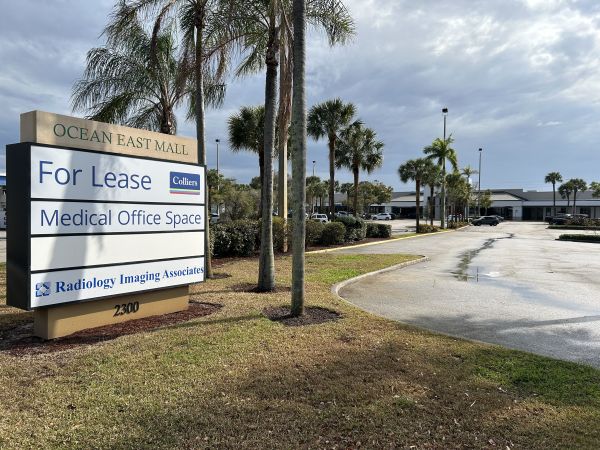
I first started paying income taxes at 14 years old when I became the bus boy and dishwasher at Todd’s Restaurant. Some of you may remember it. This was way back when the only “mall” on the east side of town was the Ocean East Mall on Ocean Blvd. On the east end was a drug store and the west end had a department store called TG&Y and the grocery store, Grand Union. In the middle was an indoor mall with lots of little independent shops and the local café/diner called Todd’s. Lots of neighborhood kids worked there at some point in their life. It was hard work but earned me the federal minimum wage of $3.35/hr every weekend.
Most kids tried to “move up” the food chain by 15 or 16 and get jobs pumping gas or bagging groceries. As soon as I turned 15 I applied to the grocery store which by then was converted into Stuart Fine Foods (and is now Fresh Market). Bagging groceries and stocking shelves was much better than the mess of washing dishes. I think I was paid $4.50/hr; a big jump. Plus, I could work after school during the week in addition to the weekends. I rode my bicycle to work every day.
The “big money” could be had working in trades at local businesses, especially construction, but you needed transportation. Once I turned 16 and had wheels, I secured a job as a carpenter’s helper, which really meant doing grunt work on the job sites. Earning $5.50/hr a couple hours after school and full time during the summers generated some decent income. There were condo projects on Hutchinson Island, custom homes in Stuart and Palm City, along with commercial projects in the area. Construction is tough work. I have a lot of respect for carpenters, roofers, masons, plumbers, electricians and the like. At the same time, this experience confirmed to me that this industry was not for me as a permanent profession. Although I didn’t take school very seriously, I performed well enough to get accepted to a university and had saved up enough money to afford it. But that is another story.

I suppose local kids are still working part time jobs to earn spending money. Instead of purchasing a used car, maybe they just access Uber? I’m not sure the same types of employment are available to them. Todd’s Restaurant is long gone along with the many shops in Ocean East Mall. And although a grocery store remains on the west end, I don’t think the role of bag boy exists any longer. Working retail, especially in a customer facing role, taught me a lot about people and service. I suspect this skill is needed more today than ever.
Clay Scherer's opinions are his own and may not reflect Friends & Neighbors viewpoint.
This month, I want to step away from discussing our various funding programs to highlight the vital work we do alongside our community partners. While this collaboration takes many forms, its most critical impact has been seen recently in our humanitarian response to the winter season.
Throughout the week between Christmas and New Year’s, and again throughout January, our community joined forces to open cold weather shelters. This is a massive logistical undertaking that relies on a seamless partnership between local non-profits, county government, and law enforcement.
The Science of Shelter Activation

The process begins with the Martin County Emergency Operation Center (EOC). They closely monitor data from the National Weather Service station in Melbourne to track local forecasts. Our activation trigger is specific: if temperatures are forecasted to be below 40 degrees for four hours or more—including the windchill—the shelter system is activated.
Once the call is made, a network of agencies springs into action:
- Communication: Outreach teams connect directly with homeless individuals to inform them of the shelter’s location and opening times.
- Supplies: The EOC secures cots from the American Red Cross, while House of Hope and Love and Hope in Action (LAHIA) provide the essential food, snacks, and warm blankets.
- Logistics: LAHIA goes a step further by providing direct transportation from their site to the shelter, ensuring no one is left out in the cold due to a lack of mobility.
- Safety: While volunteers provide overnight coverage, local law enforcement conducts hourly patrols to ensure the safety and well-being of every guest.
The Changing Face of Homelessness
While we are proud of this coordinated effort, there is a sobering reality behind it. Over the last few years, we have noticed a heartbreaking shift: the "face" of homelessness in Martin County is changing.

More than ever, we are seeing an influx of seniors coming to our shelters. These are neighbors on fixed incomes who have lived in our community for years, only to be "rent-gouged" out of their homes or forced out by skyrocketing lot rents. Many are now living in their cars, a reality that is as distressing as it is unacceptable. This humanitarian effort is about more than just a bed for the night; it is about protecting those who have been left behind by an unaffordable housing market.
Looking Ahead
As I write this on a Saturday afternoon, it is a balmy 82 degrees outside. Yet, even in this heat, our team is already preparing for Monday. The forecast suggests another cold front is approaching, and we stand ready to activate once again.
This work happens behind the scenes while many of us are tucked safely into our own warm beds. It happens because our community refuses to let its most vulnerable members suffer alone. This is just another way that your United Way is working behind the scenes to keep our community safe.
For more information about United Way, please visit our website at www.unitedwaymartin.org or email me at chdiez@unitedwaymartin.org.
Carol Houwaart-Diez’s opinions are her own and may not reflect Friends & Neighbors viewpoint.
In my recent articles, I have encouraged everyone to keep an eye out for friends or family members who may need additional assistance, particularly in mental health. This month, I want to share something specific to our work at Helping People Succeed that can help you refer someone for services or request them for yourself.
As I have shared in previous columns, Helping People Succeed offers services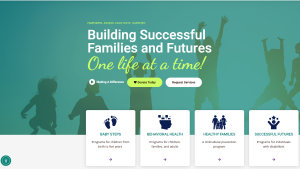 across the lifespan from birth through childhood and on into adulthood. Our services are centered around early identification and intervention for developmental delays and support services for those with disabilities or mental health challenges – and their families.
We know that most people who want or need one service from us also need at least one other complimentary service. People’s needs aren’t isolated or singular. They are connected, complex, and require careful care coordination to ensure services aren’t a band-aid, but rather a coordinated and collaborative plan to help reach self-sufficiency and a joyful life.
We are fortunate at Helping People Succeed to offer a vast array of early intervention and disability support services from birth through adulthood. To ensure we are best serving our clients, we have launched a new centralized enrollment process that guarantees that anyone who “enters our doors” will be screened and offered a full-service plan to meet those often-complex needs. And, if someone does just need one service, that’s fine too; this Enrollment process will get them there.

With that, I am happy to share our Enrollment Form which can be accessed here or from the homepage of our website www.hpsfl.org. Feel free to share and use!
If you, a friend, or a family member could benefit from our suite of intervention and disability support services, including mental health services, take 5 minutes and complete the Enrollment Form. We will take it from there and look forward to a more comprehensive, integrated approach to care for those we serve!
Kara Stimpson's opinions are her own and may not reflect Friends & Neighbors viewpoint.
The countdown to the countdown is on. Space nerds everywhere (including BDBMC staff) are watching the clock in anticipation of NASA’s Artemis II launch.
Set to take off on Feb. 6, this will be the first crewed flight around the Moon in a half-century. It’s even more exciting when considering the contributions Martin County businesses make to the space program and space exploration.
Our community has long been home to companies whose ingenuity and advanced manufacturing talents and capabilities provide essential assets to the aerospace and defense industries. It’s no surprise that many are now reaching heights beyond the Earth’s atmosphere.
Several examples in Martin County immediately come to mind.
- Coaxial Components Corp. specializes in RF microwave components—electronic devices designed to transmit and receive high-frequency signals—for the defense and space industries.
- PACE Machine & Tool creates precision tooling, fixturing, parts manufacturing and more for its customers in the space and defense industries.
- P3 Technologies develops advanced turbomachinery systems for aerospace, defense,
- and energy applications. Their R&D facility will test hydrogen and other cryogenic fuels.
- South East Machine manufactures complex components for equipment and apparatus used in the space industry (as well as in aerospace, defense, marine and energy).
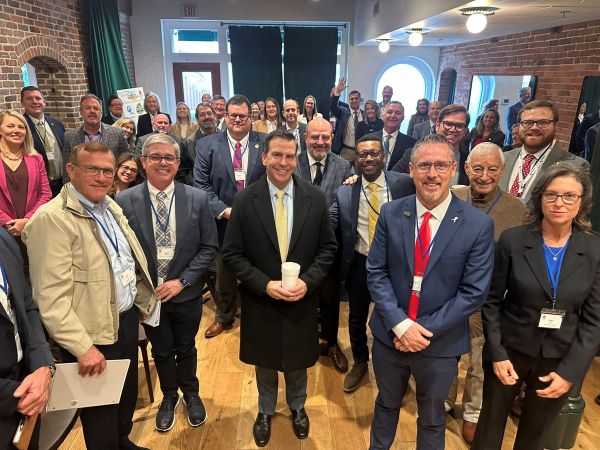
Thanks to the efforts of these and other local businesses helping propel the national priority of space exploration, Martin County’s economic horizon is bright, giving all of us good reason to keep looking up.
From the skies to the seas
The Marine Industries Association of the Treasure Coast, a key BDB partner, is hosting a breakfast event Feb. 6 at Indian River State College’s Stuart camps. The event will feature a panel discussion focused on the marine industry and its local economic impact.
I will be featured on that panel and I’m honored and excited to take part in the discussion. I’m looking forward to engaging with my fellow panelists and hearing more about how important the marine industry is to our community from both a financial—and workforce—perspective.
Elevating profile of ‘Made in Florida’
Recently, Troy McDonald, our director of economic development, and I joined our leaders with the Stuart-Martin County, Palm City and Jensen Beach chambers of commerce on a visit to Tallahassee. Our neighbors and friends from the St. Lucie and Indian River Chambers also joined
us. We met with local legislators, shared our priorities, soaked in their insights and advocated for policies that support a strong economic climate so new and existing businesses can flourish.
We’re encouraged by the state’s prioritization of expanding its manufacturing sector. This is personified with the establishment of a statewide chief manufacturing officer position. The position will be housed under the Florida Department of Commerce, with Deputy Secretary of Economic Development Jason Mahon in the new CMO role.
His responsibilities include, among others, aligning state and local efforts on manufacturing, creating the Florida Manufacturers’ Workforce Development Grant Program, and launching the “Made in Florida” program to promote local products.
Perhaps most impressively, the CMO will also pursue the goal of solidifying a spot for Florida among the nation’s top five producers of manufacturing jobs over the next four years. No doubt the remarkable talent and output of our many Martin County manufacturers will play key roles in helping the state achieve this goal.
William T. Corbin's opinions are his own and may not reflect Friends & Neighbors viewpoint.
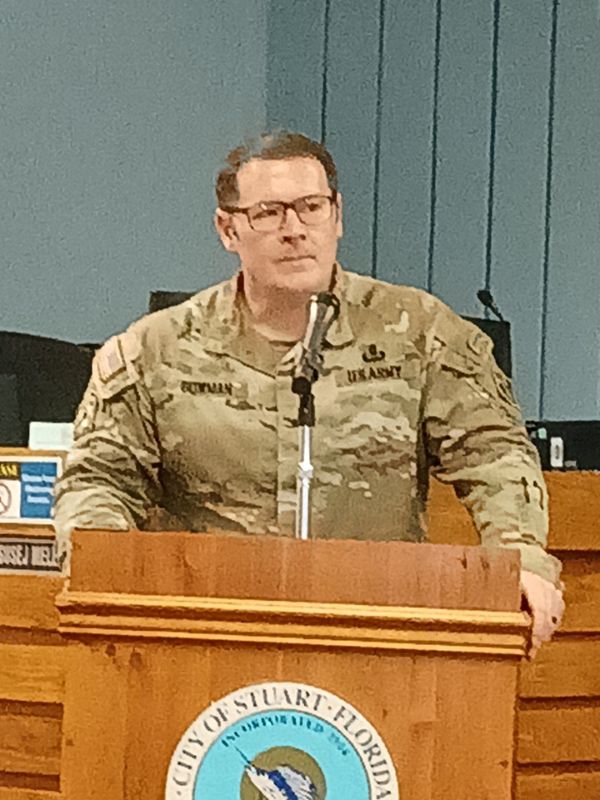
The featured presenter at the January 22nd Rivers Coalition meeting was Army Corps of Engineers Jacksonville District Commander Col. Brandon Bowman. He reported:
* The Lake Okeechobee management effort is going well. The lake level is currently a near-ideal 13.01 feet. In addition, following last summer’s Lake Recovery Operation, Submerged Aquatic Vegetation (“sea grass”) now covers 20,000 acres of the lake bottom compared with just 3000 acres beforehand.
* All stakeholders but one are having their needs met at the present time: The Caloosahatchee River west of the lake isn’t receiving nearly as much fresh water as it needs.
* The biggest threat to the St. Lucie Estuary right now isn’t discharges from Lake Okeechobee; it’s polluted runoff flowing into the headwaters of the North Fork. The Corps has several projects underway to address that issue.
* The Everglades restoration effort continues moving forward, albeit at a seemingly-glacial pace. To wit: Col. Bowman was happy to announce that the Everglades Agricultural Area projects would be completed five years ahead of schedule – but that still won’t be until the end of 2029.
* The big C-44 Reservoir, just north of the St. Lucie Canal in western Martin County, is a key part of the management plan. The reservoir will store runoff and remove phosphorus before discharging the water. Unfortunately, it hasn’t been able to operate at capacity; there’s a seepage issue at one end, and it can only be filled to ten feet compared with its designed fifteen-foot level. The Corps doesn’t think the reservoir will be able to be filled to capacity until 2032.
* Finally, Coalition members expressed a great deal of alarm about the Corps’ Engineering Research and Development Center’s plan to develop treatments to remove peroxide and phosphorus from the water. The concern stems from the ERDC’s need to test those treatments, and they have to do the testing in the St. Lucie Canal. There was widespread fear that this could produce harmful results in our canal and our estuary.
On the legislative front, Gil Smart, the Friends of the Everglades monitor of the goings-on in Tallahassee, shook his head: “If last year’s legislative session’s theme was facilitating sprawl, this year’s is sprawl on steroids.” A disturbingly large number of bills have been filed that will allow more and more development projects to be subject only to administrative approval rather than, as now, being required to go through a public review process. If these bills pass they will drastically reduce public input on some very big and impactful development proposals -- and completely eliminate it in some cases.
As these and other really bad bills get rammed towards the finish line, you will undoubtably be receiving calls for action from your favorite environmental organization. Keep an eye on your inbox.
Walter Deemer's opinions are his own and may not reflect Friends & Neighbors viewpoint.
A brain aneurysm is a condition where a portion of an artery balloons, stretching the blood vessel. If it ruptures, it can lead to life-threatening complications. Up to 6% of people in the U.S. have an aneurysm in their brain that isn’t bleeding (an unruptured aneurysm).
Ruptured brain aneurysms are less common. They occur in approximately 30,000 people in the U.S. per year. The Comprehensive Stroke Center at Cleveland Clinic Tradition Hospital is equipped to treat, strokes, aneurysms and other brain emergencies. This is how a local patient benefited from expertise in our neurosurgery department.
Nikki Tran's journey
Nikki Tran, a 47-year-old resident of Port St. Lucie, faced a frightening diagnosis in October 2025. It all began with what she describes as "the worst headache of my life," accompanied by light sensitivity (photophobia) and neck pain.
Initially, her primary care doctor helped her schedule a CT scan. However, Nikki's symptoms worsened, and on the day of the scan, she sought urgent care at another hospital due to unbearable pain. Imaging revealed an aneurysm, and Nikki was transferred to Cleveland Clinic Tradition Hospital for specialized care.
Nikki’s symptoms suggested a possible small leak from the aneurysm. Nikki underwent surgery, performed by Dr. Mauricio Mandel, a neurosurgeon renowned for his expertise in minimally invasive procedures. Using a transorbital (through the eyelid) approach, Dr. Mandel successfully clipped the aneurysm, ensuring Nikki’s safety and recovery.

Mauricio Mandel, MD, is a neurosurgeon who's renowned for his expertise in minimally invasive procedures
Dr. Mandel explained, "The aneurysm we treated was located in the anterior communicating artery, which sits in the midline of the brain. Even though the aneurysm is central, we choose the side of the approach based on the aneurysm's shape and orientation.
Before surgery, we use detailed three-dimensional simulations to determine the safest and most effective pathway. In Nikki's case, the right-sided approach provided the best angle and protection for surrounding structures."
Nikki experienced some facial swelling after surgery, which is common and expected. This resolved within a few weeks, and her vision is now fully restored. At her most recent clinic visit, Dr. Mandel confirmed that Nikki has no neurological deficits or activity restrictions.
Feeling “beyond blessed”
Reflecting on her experience, Nikki shared, "I've always had an active lifestyle and was generally healthy. I didn’t have a family history of aneurysms and had never even heard of this condition before. The headache was so intense, and my blood pressure was dangerously high. The first few days in the hospital were tough, especially since I turned out to be allergic to the pain medication they initially gave me. But once the surgery was done, I felt immediate relief—the headache was gone, and I could finally focus on recovery."
Nikki expressed deep gratitude for Dr. Mandel and the medical team, saying, "Dr. Mandel was so gentle and thorough. He explained everything to me and made sure the surgery wasn’t too invasive. I feel beyond blessed to be here today."
Cleveland Clinic Tradition Hospital’s Comprehensive Stroke Center
Residents of Stuart, Jensen Beach, Port St. Lucie and surrounding counties benefit from unparalleled precision during complex neurosurgical procedures; collaborative work in real-time; more precise and less invasive procedures; less time spent in the hospital and better recovery.
Because time is brain when it comes to a brain aneurysm or a stroke, Cleveland Clinic Tradition Hospital is contributing to both increased life expectancy and increased quality of life. We do that through investments in both expertise and the latest technology.
We are thankful for the first responders and medical providers who tirelessly help us deliver cutting-edge neurosurgical treatment to patients like Nikki.
For more information about Cleveland Clinic Florida neurological services visit ClevelandClinicFlorida.org/neuro.
Dr. Chirag Choudhary's opinions are his own and may not reflect Friends & Neighbors viewpoint.
As the days start getting longer and we start thinking about spring, there’s that familiar feeling in the air: change is coming. In most places, that means warming temps and blooming flowers. In Florida? It could mean sunshine one minute, a thunderstorm the next, and somehow a cold front by dinner. Gotta love our “four seasons in one day” lifestyle.
But unpredictable weather aside, this time of year is perfect for something we all need to do more often - cleaning and purging. Spring is just around the corner, and now’s the perfect time to get a head start on clearing out the clutter and safely getting rid of things you no longer need.
That’s where the Martin County Solid Waste Division makes it easy for us.
Every Martin County resident knows preparing for hurricane season includes checking batteries for flashlights and radios in case of power outages. But many people don’t realize that batteries are considered household hazardous waste and shouldn’t be tossed into your regular curbside garbage. Batteries - and many other everyday items - need to be diverted from the landfill and disposed of properly.
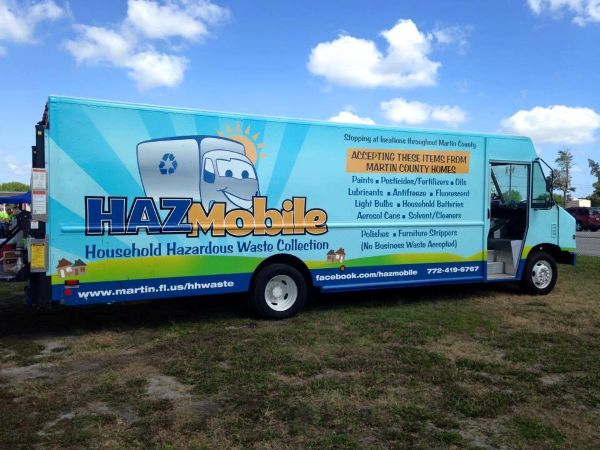
Luckily, there are two free and convenient ways to do just that: Martin County’s Household Hazardous Waste Collection Vehicle, better known as the HazMobile and the Household Hazardous Waste Disposal Center.
The HazMobile. This vehicle travels to locations throughout Martin County, giving residents a safe, easy way to dispose of hazardous household items. Each month, it stops at fire stations in Hobe Sound, Stuart, Jensen Beach, Indiantown, Port Salerno, and Tequesta, as well as Town Commons Park in Sewall’s Point. The full schedule - with dates, times, and locations - is available on Martin County’s website.
Household Hazardous Waste Disposal Center. The County also operates a permanent disposal Center at 9155 Busch Street in Palm City, where residents can drop off up to 100 pounds of waste at no charge.
What exactly is household hazardous waste?
You might be surprised how many items around your home fall into the “hazardous” category. Take a look in your kitchen, bathroom, and garage for things like:
- Aerosol cans and fertilizers
- Batteries of all sizes, including car and boat batteries
- Pool chemicals, cleaners, acids, and corrosive products
- Electronics like TVs, computers, cell phones, and printers
- Used motor oil, antifreeze, and automotive fluids
- Fluorescent bulbs and other mercury-containing items
- Paint, paint thinners, and solvents
- Pesticides, herbicides, and weed killers

Keeping Martin County clean, green, and beautiful goes beyond cleanups and litter removal. Disposing of your household hazardous waste properly is a simple step that makes a big difference - and it’s something every resident can do.
Letting go of things that no longer serve you isn’t just good for the environment - it’s good for you, too. Clearing out clutter can bring a sense of calm, focus, and even a little peace of mind. When we simplify our spaces, we often find we’re also simplifying our lives.
It’s also a great time to be mindful about what we bring into our homes in the first place. Before making a purchase, pause and ask: Do I really need this? Will I use it? Choosing to consume less and buy more intentionally helps reduce waste, save money, and protect the beautiful place we call home.
To learn more about Keep Martin Beautiful and how you can get involved in projects and initiatives to protect our environment, visit the Keep Martin Beautiful website or follow Keep Martin Beautiful on Facebook and Instagram.
And as always, thank you to everyone already doing their part to Keep Martin County Beautiful!
Tiffany Kincaid's opinions are her own and may not reflect Friends & Neighbors viewpoint.
Key Actions to Strengthen Your Company’s Digital Defenses
If you own a small business, protecting your company’s data and operations is more important than ever. Rather than worrying about the complex world of cyber threats, focus on straightforward, practical actions to safeguard your business from potential harm.
Train Your Team: This is the first and most important thing you can do. Most cyber breaches and compromises come from the team, not bugs or weaknesses in software. Start by educating your employees. Offer clear guidance on spotting phishing emails, using strong, unique passwords better, Multi Factor or 2 Factor Authentication, and keeping an eye out for suspicious activity. Short, regular training sessions can empower your team to be the first line of defense, significantly reducing your risk of a breach. A little side note here. Never call it a breach until you absolutely must. There are legal ramifications once a compromise becomes a breach, just a word to the wise.

Secure Your Devices and Network: Ensure that all computers and mobile devices have up-to-date antivirus and EDR software as well as managed firewalls in place. Set automatic updates for operating systems and important applications, so you’re always protected against the latest vulnerabilities. Here’s the reality, once auto updates are set be sure to check them constantly to ensure they are working. Use encrypted Wi-Fi and change default passwords on routers and networked equipment.
Control Access to Business Data: Give employees access only to the information they need for their jobs. Set up user accounts with different permission levels, and as mentioned earlier, use multi-factor authentication whenever possible.
Back Up Regularly: Establish a routine for backing up important files, and store backups in a secure, offsite or cloud location. Test your backups occasionally to ensure you can restore data quickly if something goes wrong, such as a ransomware attack or hardware failure.
Create an Incident Response Plan: Even with strong precautions, incidents can happen. Write a simple plan outlining what to do if you suspect a security problem. Include steps like isolating affected systems, notifying your IT provider, and communicating honestly with customers if their data could be affected.
Review and Improve: At least once a year, review your cybersecurity practices. Look for weak spots—like unused employee accounts or outdated software—and address them promptly. Staying proactive helps your business remain resilient in the face of changing threats.
By focusing on these essential steps, small business owners can create a safer environment without needing to be cybersecurity experts. This is truly the case where the Tortoise will beat the Hare. Simple, consistent actions make all the difference in protection.
Eric Kiehn’s opinions are his own and may not reflect Friends & Neighbors viewpoint.
With Valentine’s Day just around the corner, it’s an appropriate time to highlight a rapidly growing form of fraud targeting older adults: Romance Scams. These scams have become a significant and fast‑growing area of online crime, and seniors are among the most vulnerable.
Romance scams often begin on dating sites or social media platforms, where scammers create convincing profiles and begin building what appears to be a genuine emotional connection. Once enough trust is developed, the scammer gradually shifts the relationship toward financial exploitation.
How the Scam May Unfold
After gaining the victim’s trust, the scammer may introduce a crisis or urgent need. This is where the financial manipulation begins. Common requests include:
- Emergency funds
- Investment opportunities
- Help with medical expenses
- Travel fees
The relationship may feel real and supportive, but the scammer’s ultimate goal is to take advantage of the victim’s trust and financial generosity.
Warning Signs to Look Out For
Many romance scams share similar warning signs. Seniors and caregivers should be aware of the following:
Rapid Emotional Escalation: Expressions of love, devotion, or long‑term commitment unusually early in the relationship.
Refusal to Meet in Person: The scammer avoids opportunities to meet in person.
Requests for Money: This may be framed as support during an emergency, health crisis, or investment opportunity.
Isolation: The scammer may encourage secrecy and urge the senior not to discuss the relationship with friends or family.

Romance scammers often work to create emotional and psychological dependence. They may shower the victim with attention, affection, and communication, making the relationship feel meaningful. Over time, the victim may begin to rely on the scammer for companionship, making it harder to see warning signs.
Recognizing these signs early is essential to prevent financial and emotional harm.
Where to Report Scams
If you or someone you know has been targeted, report the scam immediately. Being targeted or falling victim is not a personal failure, reporting is key. These agencies can help:
- Local Law Enforcement
Call 911 in emergencies or contact your local sheriff’s office for non‑emergencies. - National Elder Fraud Hotline
833‑FRAUD‑11 (833‑372‑8311) - Florida Attorney General’s Office Fraud Hotline
866‑966‑7226
Dwight D. Chenette's opinions are his own and may not reflect Friends & Neighbors viewpoint.
Dark Skies at night, a sailor’s….
Wait, that’s not how that one goes.
It was a January night in Martin County. The sand squished beneath our toes as we made our way down the beach, carrying a small, red bucket, the onshore breeze tugging at our sleeves.
We stopped just shy of the tide line, pulling the towel off the bucket. The headlamps we brought were unnecessary; there was plenty of light from the nearby buildings to see by as the hatchlings were gingerly lifted from their temporary lodgings and placed on the sand.
Officially, sea turtle season is March 1 through November 1, but the mama who laid these eggs in November didn’t get the memo. Nor did the babies, hatching months later, smack dab in the middle of what was supposed to be the “off” season.
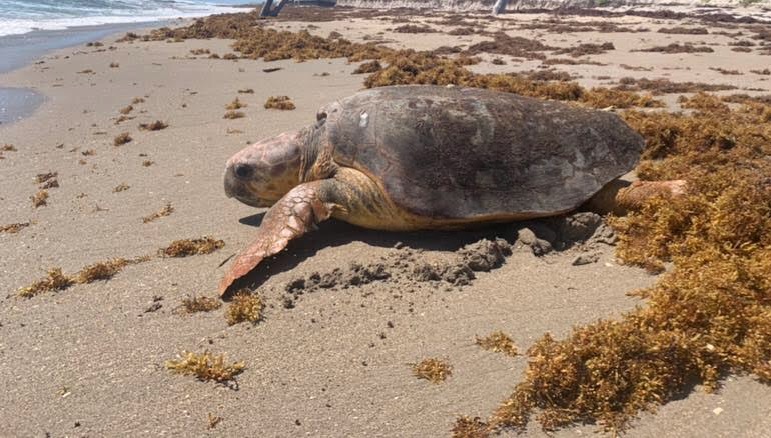
Newly hatched turtles have evolved to crawl towards the brightest light. For millennia, this was the sea. Thousands of years of evolution took over as the hatchlings made for the brightest light— away from the ocean. A small wave came and touched the hatchlings. It was enough for them to get a sense of where they were as they reoriented towards the sea, and crawled in.
It turns out, sea turtles aren’t the only creatures affected by lights at night. Migrating birds use the stars, the moon, and Earth’s magnetic field to navigate from state to state, and even transcontinentally. They’re attracted towards bright areas, and the light can pull them off their natural routes, causing confusion and disorientation. They’ve been observed flying in circles for long periods, wasting the energy they need for long-distance flights.
Tucked in our homes, it’s easy to forget our role in the natural world. Thankfully, there are some simple ways to help the feathered and shelled locals of the area— by simply turning off outdoor lights at night. If you live in a condo or HOA, your community has the potential for greater impacts; by reducing lighting from an entire building or community, it can really make an impact in decreasing the sky glow (the collective accumulation of light) in the area.
Even in single family homes, consider turning off all exterior lights that are not actively in use (for example, if you’re done outside for the night, consider turning off all the porch lights).
By making these simple changes, we can help ensure future generations turtles and birds will have the stars and moon to navigate by as they find their way home.
Kara Grace Muzia's opinions are her own and may not reflect Friends & Neighbors viewpoint.
I used to be a contender. For years I have written for Friends and Neighbors as van Vonno Consulting, LLC. The voice of reason, expertise and snark. But I am not that person anymore. I closed my planning firm years ago.
Now I am a professional volunteer and cat slave.
I read our great online paper and appreciate the hard work it takes to produce it. Since Tom is open to printing any writers who wish to submit a piece to him, many contributors are business folks educating the readers about their type of business.
I confessed to Tom I wasn’t sure how I fit into Friends and Neighbors. Tom, the editor recently asked me to rebrand myself.
Nicki’s Place is my reimagined column for Friends and Neighbors. It will focus on my passions: community and books and film.
Sometimes I will talk about going to Alice’ s Restaurant or to a movie theater just to get away from the cats. Or I will argue with God over who’s in charge. Today it appears to be my new laptop with a mind of its own.
Enjoy all the great events coming up and stay warm!!!
Nicki van Vonno’s opinions are her own and may not reflect Friends & Neighbors viewpoint.
So you’ve got an opportunity to grow your business in a new direction.
Part of you is like: “YES. This is it. This is the glow-up.”
And the other part is like: “Why bother? Nobody’s going to want this. Also… who do I think I am?”
Welcome to the mental ping-pong tournament known as imposter syndrome.
 Imposter syndrome is when your brain insists, you’re not qualified, even though you’ve already done hard things, helped real people, and survived situations that would’ve made past-you pass out dramatically on a fainting couch. It’s the feeling that you’re going to be “found out,” like there’s a secret committee out there reviewing your life and whispering, “She doesn’t belong here.”
Here’s the truth: it’s not a character flaw. It’s a protection mechanism. Your brain is trying to keep you safe from rejection, judgment, or failure. The only issue? It uses the emotional equivalent of a fire alarm to do it.
Step 1: Install a Definite Purpose (Napoleon Hill-style)
Napoleon Hill taught that having a Definite Chief Aim, a clear, specific purpose, helps you stop drifting and start deciding. Imposter syndrome thrives when things are vague. Purpose gets specific and says, “We’re doing this.”
Use this modern version (simple, not weird):
 My Definite Purpose is to [make a difference by doing WHAT] for [WHO].
I will do this through [HOW you deliver].
I will earn [income/impact goal] by [date].
I give in return [the value you promise: service, integrity, consistency, excellence].
Example:
My Definite Purpose is to build safe, high-quality residential and commercial projects that improve the lives of the people who use them. I will deliver on-time, on-budget work through disciplined planning, skilled craftsmanship, clear communication, and integrity on every job. I will earn consistent profits and long-term growth by becoming the most trusted construction partner in my market, delivering reliability, transparency, and results that stand the test of time.
That kind of statement does two important things:
- It gives your brain a target.
- It turns “someday” into “scheduled.”
Step 2: Pair Purpose with “I Am” Statements
Your purpose is your direction. Your identity is your fuel. “I Am” statements reprogram the story you tell yourself daily, because your brain believes what it hears repeatedly, especially when it’s backed by action.
Skip the fluffy stuff, your brain won’t buy. Go with believable, directional statements like:
- I am the kind of person who follows through.
- I am allowed to start before I feel ready.
- I am building a business that helps people and supports my life.
- I am becoming more confident by taking consistent action.
Step 3: Make it stick with proof
Here’s the secret: your brain doesn’t change from mantras alone. It changes when you stack tiny wins.
Do this daily:
- Write and read your Definite Purpose statement.
- Say your “I Am” statements out loud (yes, out loud).
- Do one “proof action” that matches them.
Proof actions can be small: send the email, post the offer, make the call, record the imperfect video, write the next step. One action is enough. You’re building identity, not auditioning for burnout.
When “Why bother?” shows up
That voice is usually fear wearing a trench coat. So try this:
“Thanks for trying to protect me. I’m doing it anyway, smaller and smarter today.”
You don’t need to feel confident to move forward. You need a purpose, a better inner script, and one brave step at a time.
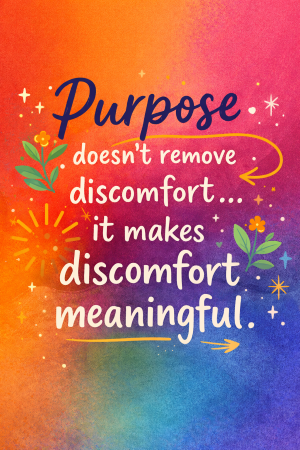
Because purpose doesn’t remove discomfort, it makes discomfort meaningful.
Want help with your definite purpose? Let’s chat: Chriss@ChrissDavidandAssociates.com | Voted Best of Florida - AI Digital Marketing & Video.
Part of my purpose is to help make a difference every day. What is yours?
Chriss David’s opinions are her own and may not reflect Friends & Neighbors viewpoint.
As the new year gets underway, February offers a meaningful moment to reflect on how each of us can support our community through service, compassion, and action. One powerful way to begin 2026 is to Resolve to Volunteer with the American Red Cross and help make a real difference where it matters most.
Nearly 90 percent of the Red Cross workforce is made up of volunteers, and their dedication makes it possible to respond to disasters, support military families, educate communities on home fire safety, and ensure patients have access to lifesaving blood. With a wide range of volunteer opportunities available, there is truly a role for everyone—whether you can give a few hours or are looking for a more ongoing commitment. Now is the perfect time to join us in serving your community.
 The power of volunteers is evident in our work throughout the year. In January, the Red Cross presented Pet CPR training to members of the Jupiter Island Club. We were grateful for the strong participation and the opportunity to share essential lifesaving skills that help pet owners confidently care for their beloved companions during emergencies.
February also marks Black History Month, a time to honor the contributions, resilience, and leadership of Black communities while continuing important efforts to advance health equity. One meaningful way the Red Cross supports this work is through its Sickle Cell Initiative. Sickle cell disease disproportionately affects Black and multiracial communities, and many patients rely on regular blood transfusions to manage painful and potentially life-threatening complications—especially during the winter months.
In response, the Red Cross is partnering with community organizations nationwide to host more than 460 blood drives during Black History Month. Since launching the initiative in 2021, more than 170,000 first-time African American blood donors have helped strengthen our nation’s blood supply. When communities give together, we heal together.
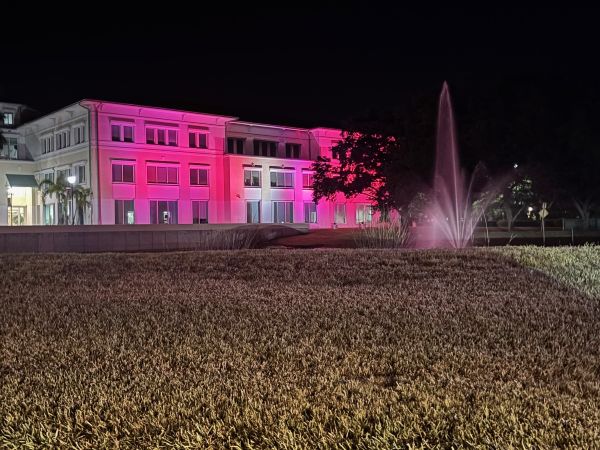
Looking ahead, March is Red Cross Month—a time to celebrate the donors, volunteers, partners, and supporters who make our mission possible. March also includes Giving Day on March 25. Last year marked the first time in many years that the Treasure Coast participated in Light It Up Red, with landmarks illuminated in red to honor the Red Cross mission. This year, we hope Martin County will join neighboring counties in lighting historic buildings and businesses red in recognition of Giving Day and Red Cross Month.
Now is the time to turn compassion into action. Roll up a sleeve to give blood or put on a Red Cross vest to volunteer. Visit RedCrossBlood.org/OurBlood or RedCross.org/Volunteer, use the Red Cross Blood Donor App, or call 1‑800‑RED CROSS (1‑800‑733‑2767) to get involved.
Traci Mitchell's opinions are her own and may not reflect Friends & Neighbors viewpoint.

The Martin County Taxpayers Association (MCTA) decided it was time to look at the commissioners’ use of tax money for their travel expenses for trips and conferences. It is not our purpose to single out any one commissioner but look at the practice in its entirety. We will offer guidelines and best practices for future commissioner travel spending and what needs to be done to implement it
For the most part, we are pleased with just how little commissioners spent as a group with one notable exception which we will briefly delve into in this report.
We requested three years of travel and other individual commission expenses including those of former commissioners Doug Smith and Harold Jenkins. In both cases, the two truly treated county dollars as if they were their own. Parsimonious would be the word we use in connection with these former commissioners.
In many cases it appears both Smith and Jenkins just used their own funds at times to pay for travel and never sought reimbursement from Martin County. That goes far and beyond what should be expected of commissioners. We should complement Smith and Jenkins for their efforts in this regard.
MCTA also audited the current commissioners’ travel expenses. It is interesting to see what each asks to be reimbursed for. Commissioner Hetherington is a stickler for keeping track of her milage including locally. She uses her own auto and is reimbursed at the government per mile charge rate.
Commissioner Heard as chair is called upon to attend more events than other commissioners. When chair, a commissioner should be allowed to have a little more for their travel budget. Heard portends to be a fiscal conservative on the dais and follows through with her travel expenditures.
It appears that Hetherington always stays at the hotel where a conference is being held thereby saving the county added expenses of using Ubers to go back and forth. We see nothing in her spending that suggests a junket instead of county business.
In the past three years, Commissioner Ciampi has been to only one overnight conference. However, he has been to a multitude of local events. We would call him our least expensive commissioner when it comes to conferences and travel expenses. For those Martin County residents who are at local events, Ciampi is seen at dozens every year.
Commissioner Capps took his seat in November of 2024. He has gone to several conferences beginning in November of 2024. It appears he has taken classes offered both online and in person through the Florida Association of Counties.
It appears Commissioner Vargas enjoys attending conferences and travelling. Even if her amount of travel can be attributed to freshman enthusiasm, she is now in her second year, and it seems there has been no slow down in her travel. We ask that she show a little more restraint before thinking every opportunity to go somewhere should be explored.
For many years, there may not have been a reason to have a formal mechanism for how and when commissioners use county taxpayer resources. This can no longer be allowed to continue. There needs to be strict protocols on when, where, what, and how commissioners can spend taxpayer dollars on in this area.
The best way to do that is by limiting the funds available for conferences and travel. Each commissioner should have an equal dollar amount that they can spend for that purpose. The chair should be allowed an additional 15% because of their position and the need to represent Martin County more broadly.
Another protocol to be put into place is that commissioners should only go to events and conferences, especially those requiring overnight travel, that their commission assignments require. There is absolutely no reason for the taxpayers to pay for several commissioners to be at the same event. The policy will not stop individual commissioners from going at their own expense if they believe it is important enough.
Though not part of these recommendations, commissioners should not be representing Martin County on the same boards and organizations forever. By having term limits on the number of years that someone can serve, it would foster every commissioner having an opportunity to learn from these conferences which should be considered an educational event.
Travel arrangements are currently made by individual commissioners and their aides. Once arrangements are made, the county administrator perfunctorily signs off on the expense. That is rife for abuse.
All travel arrangements should be made by the Financial Services Department. A commissioner or aide would send a request to them outlining the purpose. That department would make all reservations for hotels, flights, any car rentals, and conference fees.
Any travel points would accrue to Martin County. Whenever possible, the policy should be that the commissioner must stay at the hotel where the conference is being held to minimize Uber and cab fees which ran into hundreds of dollars in one case. In the same vein, county Uber and/or Lyft accounts should be established in the county’s name that the commissioner may use. That would lessen the need for reimbursement to the commissioner’s personal account.
Whenever travelling by auto from Martin County, the commissioner should be required to use either a county owned vehicle or their own car at the federal government prescribed mileage rate. There is absolutely no reason to rent a car unless you fly. If the arrangements are made in time, county cars are always available.
Commissioners should be required to use their county-issued charge card (P Cards) for any miscellaneous expenses. The county receives thousands of dollars credited back because of their use. Commissioners are employees and should be required to do so to lessen county expenses.
Because of the growth in government, MCTA believes that what was once unnecessary must now have more formal guidelines. An expense item that in the past cost hundreds of dollars now is in the thousands. It is irresponsible of commissioners to say “tighten your belts” to staff and citizens and not do so themselves. Travel should not be looked at as a glamourous perk but rather an absolute necessity.
Commissioner budgets will do that. The amounts will still be in the thousands of dollars a year even if our recommendations are followed. Budgets administered by the Finance Department will keep track of individual limits and get the best overall deal for county resources.
MCTA will be looking to see whether our recommendations are adopted by the commission. If not, we may in the future publish commissioners individual spending invoices for travel as well as other expenses we deem excessive. The public does have a right to know.
MCTA's opinions are his own and may not reflect Friends & Neighbors viewpoint.

By: Jeff Aderman
Across South Florida, a quiet transformation is already underway. After years of community feedback and noise complaints, train horns have now been silenced at railway crossings in Boca Raton, Boynton Beach, Delray Beach, Lake Worth Beach, Riviera Beach, West Palm Beach, Jupiter, Palm Beach Gardens, and—most recently—St. Lucie County. The result has been simple and profound: quieter nights, calmer neighborhoods, and a noticeable improvement in daily quality of life.
Now, residents are asking the same question closer to home: Why not here?
Martin County is directly impacted by frequent train horn noise at all hours of the day and night. These routine horn blasts disrupt sleep, interrupt conversations, and fray nerves—especially for families with young children, seniors, and people who work non-traditional hours. What was once an accepted background sound has become a persistent quality-of-life issue.
Importantly, Railroad Quiet Zones are not about eliminating safety. Federal regulations require strict compliance with proven safety standards, and communities that establish quiet zones often invest in upgraded crossings, improved signage, and advanced warning systems. In many cases, these improvements create redundant layers of protection that make crossings safer than before.
Train engineers also retain full authority to sound the horn whenever an emergency or immediate safety concern arises. Quiet Zones simply reduce unnecessary, routine horn use—without compromising public safety.
The facts are clear:
- ✔ Quiet Zones are not less safe than standard crossings
- ✔ Modern engineering often makes them even safer
- ✔ Train horns remain available for emergencies
- ✔ Communities enjoy better sleep, health, and overall well-being
Improved Quality of Life
The most immediate and noticeable benefit of Railroad Quiet Zones is a dramatic reduction in noise pollution. Train horns can reach 96–110 decibels and often sound at all hours of the day and night. Quiet Zones replace routine horn blasts with safer, modern warning systems—bringing calm back to neighborhoods.
Residents enjoy peaceful mornings, evenings, and nights without sudden, disruptive horn noise.
Better Sleep & Health Outcomes
Chronic exposure to loud, unexpected noise is linked to increased stress, high blood pressure, anxiety, and sleep disturbances. Quiet Zones help restore normal sleep cycles—especially for families with children, seniors, shift workers, and people recovering from illness. Reduced noise supports better mental health and overall well-being.
Protecting Property Values
Homes near rail lines and crossings often experience price suppression due to persistent horn noise. Studies show that when Quiet Zones are established, property values stabilize or increase as neighborhoods become more desirable. A quieter environment also boosts community appeal for buyers, renters, and businesses alike.
Enhanced Community Safety
Quiet Zones are not created by simply silencing train horns. They require meaningful safety upgrades, including:
- Four-quadrant gates
- Raised medians
- Additional and clearer signage
- Advanced signaling technology
- Pedestrian safety improvements
These enhancements reduce risky behavior and often make crossings safer than before.
Better Business Environment
Restaurants, shops, hotels, and outdoor venues thrive in quieter surroundings. Outdoor dining, festivals, and public gatherings become more enjoyable, supporting tourism, increasing foot traffic, and boosting local revenue. Reduced noise also improves employee productivity and customer satisfaction.
Support for Seniors & Vulnerable Populations
Seniors, people with PTSD, children with sensory sensitivities, and individuals with dementia or special needs are particularly affected by sudden loud noises. Quiet Zones create a healthier, more compassionate environment that better supports these vulnerable members of the community.
Aligns With Smart Growth & Modern Planning
Railroad Quiet Zones reflect 21st-century urban planning priorities—livability, environmental health, and community comfort. They complement walkable downtowns, mixed-use developments, and revitalized historic districts while supporting long-term, sustainable growth.
From Boca Raton to St. Lucie County, the model already works. The benefits are proven, the safeguards are in place, and the path forward is well-defined.
Let’s make Martin County the next Railroad Quiet Zone—and bring a little peace and quiet back to our tracks.
For more information or to get involved, please email:
quietzoneformartincounty@gmail.com
Jeff Aberman's opinions are his own and may not reflect Friends & Neighbors viewpoint.
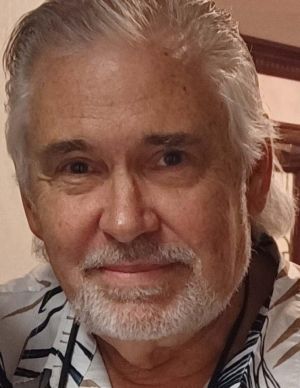
By Steve McCarthy
Early May of 1983 was the first time I got in the ocean with a wetsuit on. I had just finished a scuba course and the last part of it culminated in a freediving weekend at Stillwater Cove on the Sonoma coast, where we fine tuned our weight belts, learned to navigate the kelp beds, and hopefully collected some abalone for dinner. There were about 20 of us, camping at the adjacent county park on the bluff.
At that time of year, the gray whales were well underway on their Springmigration from the Sea of Cortez north to Alaska and the Kamchatka. There were also humpbacks and an occasional blue, but mostly grays. The mares took their babies inshore as much as they dared, to teach them the way and how to avoid getting tangled up in the kelp beds.
The name of the cove was well-earned. Except in bad weather, the wind and following waves didn't come until late morning, at the earliest. In my usual enthusiasm, which thrived at the edge of common sense, I was the first to get in the water and to get out to the oceanside edge of the kelp bed.
As I floated quietly, adjusting to the 53 degree water, I could see back inside the cove to the rest of my friends, nervously putting on their gear. Sometimes scenes like that stick in your mind like an indelible photograph. But what happened next was far more complicated, and would not happen to anyone else; it was a permanent mark on my psyche.
The water was relatively clear and the visibility good enough to see the bottom at 30 feet, where colors would not reach. The sunlight beamed down in white-green rays. I lay on the surface outside the kelp, looking down and breathing through my snorkel. As I slowly turned around, I became aware of a dark shadow very near me. Without taking my head out of the water or otherwise making any noise, I realized I was right next to a gray whale calf. Its mother was close by.
Most critters recognize waving or outreaching arms as some kind of threat, as though an attack were imminent. One slap from the tail of a protective mother would have likely killed me. But none of us moved, except very slowly. We drifted around each other on the surface, and I could see into their gentle eyes. I wondered if mom wasn't teaching junior not to be afraid of these strange creatures. For about five minutes, I floated weightlessly, languishing in the symphony of their vibrations, without hearing a sound.
Then something caught their attention and they began to move away. I turned my head back up out of the water. A hundred yards back toward the beach, the rest of the crowd was flailing their way into the water and toward me. In their collective unconsciousness as the hunted, the whales slipped away as silently as they appeared.
Some time later, not counted by any calendar, I sat on the rocks in a relatively remote cove farther up the coast. My friend Gary and I were anticipating our limits of huge eight inch abalone. The morning was clear and several seals were laying out on the rocks. We watched them carefully. None of them were going into the water, which meant only one thing: great whites were about. Geographically, we were still inside the proverbial Red Triangle, the feeding grounds of the great white Red Triangle Imitating the food chain in our black wetsuits certainly wasn't the best idea, so we packed on out of that cove, glad we hadn't made a mistake that could have easily cost us our lives.

We went farther north to visit Gary's friend, the late J.D. Mayhew, who was the owner and principal contributor of the Mendocino Wildlife Gallery. Fortunately, back then I was rich enough to buy things. His serigraph depicted above, of a gray whale and her calf, memorialized my experience, and to this day still hangs on my livingroom wall.
Steve McCathy's opinions are his own and may not reflect Friends & Neighbors viewpoint.
Shop, Sell, and Support the Indoor Community Garage Sale & Vendor Craft Fair
Benefiting ARC of the Treasure Coast Programs
PORT ST. LUCIE, FL. — Treasure hunters and crafty creators, this one’s for you!
The Indoor Garage Sale & Vendor Craft Fair benefiting ARC of the Treasure Coast programs is coming to 451 SW Ravenswood Lane in Port St. Lucie on Saturday, February 21st.and it’s packed with bargains, great finds, and good vibes.
Shop home décor, furnishings, clothing, accessories, kids’ items, toys, and one-of-a-kind handmade crafts. Admission is free.
Vendors are welcome to sell their own unique treasures. The cost is $35 to reserve a space and two chairs; however, you must bring your own 6 ft. table.
Every purchase helps support ARC programs that make a difference right here on the Treasure Coast. Some of those programs include summer camps and After-School programs for children, day training programs, community inclusion services, transportation, intensive behavioral services and Advanced Employment Services for adults.
Shop, sell, support, and score some great finds while you’re at it!
For questions or vendor reservations, contact Jennifer Rooks at 772-618-0240 or jrooks@arctreasurecoast.org.
About ARC of the Treasure Coast: The ARC, (Advocates for the Rights of the Challenged) is a 501(c)(3) not-for-profit organization dedicated to empowering children and adults with I/DD through residential, vocational, educational, behavioral, and other healthcare services. ARC provides support, assistance, and training that enhances the abilities of children and adults with disabilities to thrive each day and achieve their fullest potential.
Pep Rally Gala Teams at Competing at Fever Pitch to Benefit Martin County Seniors
Stuart, FL – The competition is at fever pitch as the 2026 Pep Rally Gala teams reach the home stretch for raising funds and enthusiasm for the Council on Aging Martin County.
The blow-out party to celebrate each team’s achievements and award bragging rights to the winner takes place on February 28 at 6 p.m. at the Kane Center in Stuart. Tickets are now available for an event that features an amazing spread from Chef’s Table, get-up-out-of-your-seat-and-dance music from Girlfriend Material, a Progressive Cocktail Tour, and lots of surprises.
This year’s teams include Lotus Loft, New Home Dream Team, COA Board of Directors, Team Diamond, Leadership Martin County Class 35, Team Raymond James, Orangetheory, Team Certified Payroll Advisors, Team COA Staff, Closets by Design, and Ethos Electric.
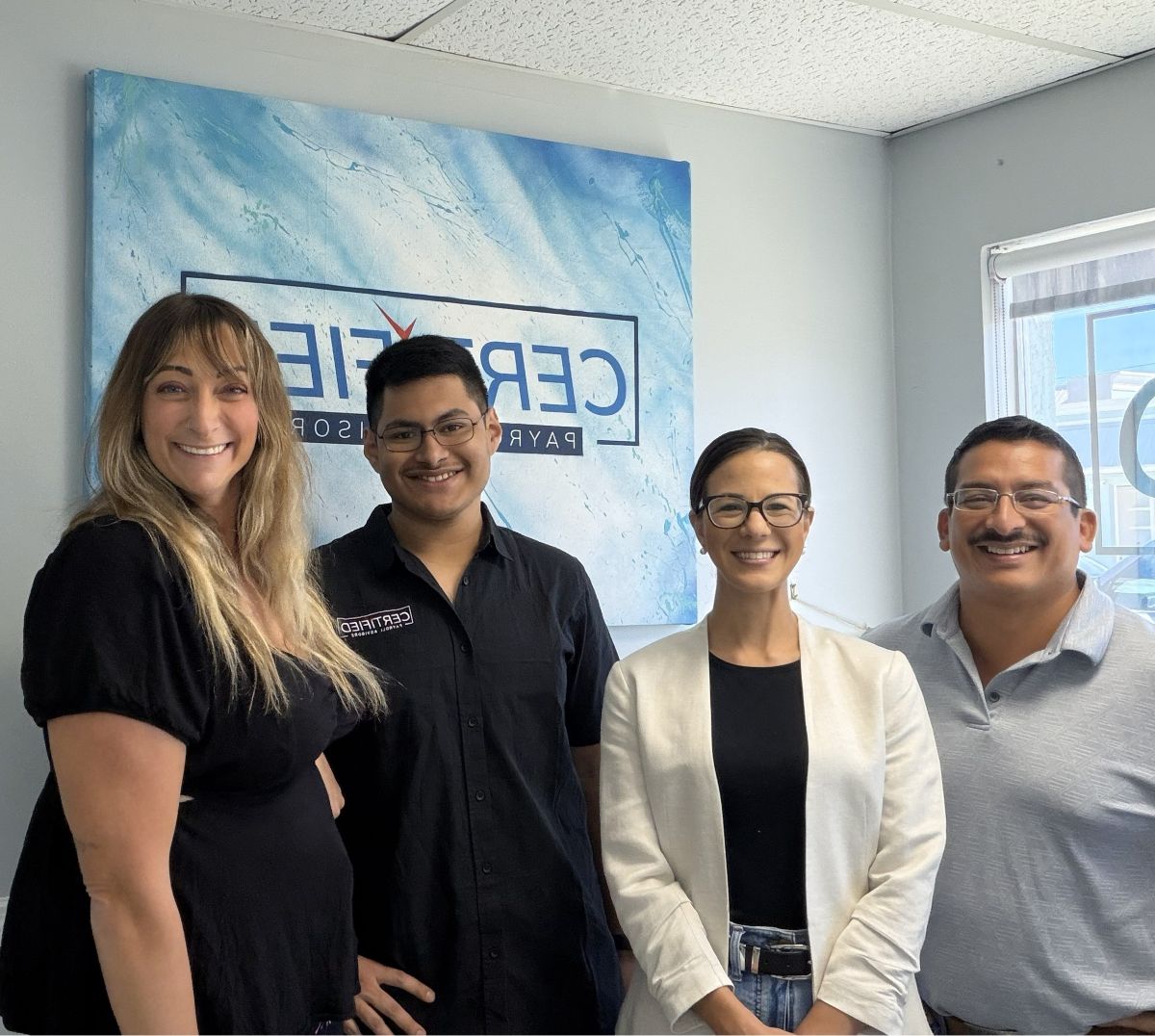
The Certified Payroll Advisors Team are gearing up for fierce competition at the Council on Aging Martin’s 2026 Pep Rally Gala. Pictures are Amanda Gilbert, Wilson Guzman, Melissa McComas, and Sergio Nativi.
Sergio Nativi and the Certified Payroll Advisors Team are new to the competition this year. “My friends encouraged us to be part of the event, we loved the idea and our team is extremely excited to contribute to such a great cause and learning about the COA mission. We’re ready for a fantastic party!”
The teams have their sights set on a very specific goal: $80,000 to purchase a meal delivery vehicle to support the Meals on Wheels program. Every day, volunteers deliver more than 580 meals to the homes of seniors in need and also to four congregate dining sites. “The Meal Delivery Truck will be a game changer in how well we are able to deliver hots meals to our congregate sites in Jensen Beach, Stuart, Hobe Sound and Indiantown,” Council on Aging Martin County CEO Karen Ripper said. “These programs help us fight senior hunger, isolation, and loneliness.”
Sponsors to date include the Law Offices of Philip DeBerard, Bridge Financial, Pipeline Utilities, Lesser, Landy Smith & Siegel PLLC, Team Parks, Scott Sade and Robin Miley, and Ross Earle Bonan Ensor & Carrigan P.A.
To become a sponsor, support a team, or secure a ticket to the best party on the calendar, go to https://donate.coamartin.org/team-leaderboard/ or contact Michele Leigh Jacobs at 772-223-7803 or mjacobs@coamartin.org.
About the Council on Aging Martin County
For seniors, their families, and caregivers, the Council on Aging Martin County is their trusted and comprehensive hub for senior resources. We work with the community to reduce anxiety, depression, loneliness, and hunger. Together, we help seniors live a safer, healthier, and happier life.
From our Adult Day Club, Day Primary Care Center, case management, and memory enhancement programming, to our nutrition and exercise classes, games to improve memory, concerts and social events, the Council on Aging’s Kane Center on Salerno Road is a beehive of activities. Services also take to the road – like Meals on Wheels, providing a hot meal and a warm smile to more than 580 homebound and needy Martin County senior residents in their home each day, or Senior Dining Centers at locations throughout the county in Stuart, Jensen Beach, Indiantown and Hobe Sound. The Elder Care Mobile Outreach Bus brings knowledgeable and compassionate staff directly to seniors in local neighborhoods.
For 51 years, the Council on Aging Martin County has been working tirelessly to inspire a community that embraces, uplifts and encourages seniors to maintain lives of quality and purpose.

National Columnist Challenges Local Audience at 2026 Rappaport Speaker Series
Nearly 200 people gathered at Temple Beit HaYam on Jan. 15 for an evening of thoughtful conversation as Bret Stephens, Pulitzer Prize–winning columnist for The New York Times, opened the 2026 Rappaport Speaker Series with his talk, “America at a Crossroads: The Future of Conservatism.”
Stephens, who often describes himself as part of “the conservative wing of the liberal church,” drew on his long career in journalism to explore where the country is headed politically. He is known for challenging ideas on both the political right and left, and for encouraging readers to think beyond party labels.
During his talk, Stephens asked a simple but powerful question: Do Americans still believe in a shared set of values? He pointed to ideas that many people agree on, such as strong families, fairness, respect for the military and law enforcement, free and fair elections, obeying the law, integrity in business, giving back to the community, and maintaining global stability.

Bret Stephens and Michael Williams
Stephens argued that politics focused too heavily on identity, on either side, can weaken those shared values. In his view, this kind of thinking discourages open debate and makes it harder for people to disagree respectfully.
“In a healthy society, we have dissent and the free expression of different points of view,” Stephens said. “We need to save the possibility of independent thought. If we can do that, we’ll be OK.”
He also talked about how divided the country has become and contrasted today’s political climate with earlier eras when leaders could strongly disagree while maintaining mutual respect. As an example, he mentioned President Ronald Reagan and House Speaker Tip O'Neill, who could battle intensely over policy, then shake hands, put the debate aside, maintain mutual respect and find ways to govern together.
Veteran journalist Michael Williams guided the conversation on a wide range of issues including antisemitism, the war in Ukraine, the crisis in Gaza, tensions with Iran, and the state of American democracy.
Stephens explained that his goal as a columnist is not to tell people what to think, but to carve out a path that helps people think through complex issues. “Readers may disagree with my conclusions, but I want them to feel they’ve been offered a serious and honest way of looking at an issue. Freedom of speech applies to those who agree with us and those who don’t,” Stephens added.
Each year, the Rappaport Speaker Series brings nationally recognized voices to Temple Beit HaYam to inform, challenge, and inspire the Treasure Coast community. Funded by a grant from the Phyllis & Jerome Lyle Rappaport Foundation, the series has become a trusted forum for civil discourse and intellectual exchange.
Next up in the 2026 series:
• Feb. 26: Dr. Laurie Santos, Yale University professor, psychologist, and host of The Happiness Lab podcast, will present “Calm Amidst the Chaos: The Science of Happiness.”
• Mar. 26: Eve Samples, former journalist and executive director of Friends of the Everglades, will speak on “Everglades on Trial: A Test for Environmental Policy in America.”
All presentations begin at 7 p.m. at Temple Beit HaYam. Tickets are available at www.RappaportSpeakerSeries.com.
More information about the Rappaport Center, the Speaker Series, and the 2026 presenters is available at www.RappaportSpeakerSeries.com and on Facebook at www.facebook.com/RappaportCenterSpeakerSeries

Ladies’ Night Out in Stuart Raises over $80,000 for SafeSpace
STUART, Fla. – More than 120 women gathered at Sailfish Point Country Club on Jan. 7 for “Jessica’s Girls’ Night Out,” turning an evening of connection and celebration into a powerful show of support for survivors of domestic violence on the Treasure Coast.
Hosted by SafeSpace board member Jessica Malasek, the annual event raised more than $80,000, with proceeds directly supporting SafeSpace programs and services for individuals and families who have been impacted by domestic violence.

Gin Price, Mari Caplan, Lori Corcoran, Maryellen Basile, Mary Agnes Correll, Kathy Guiggio, Jessica Malasek, Carol Paul, Pat McKessy
The evening featured heartfelt remarks from Rebecca Beckett, a survivor who bravely shared her personal journey, and Jennifer Fox, CEO of SafeSpace, who spoke about the organization’s life-changing work across the region. Together, their stories highlighted both the urgency of SafSpace’s mission and the profound impact of community support.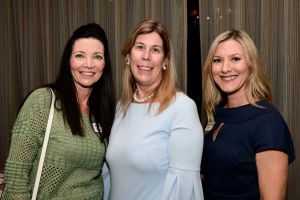
Sandee Jo Crocker, Rebecca Beckett, Jennifer Fox
The program also recognized the ongoing generosity of the Allen Family Foundation on behalf of Karen Allen, as well as the Martin County Quilters Guild, whose handmade quilts are gifted to SafeSpace shelter residents, offering comfort and a tangible reminder that they are not alone.
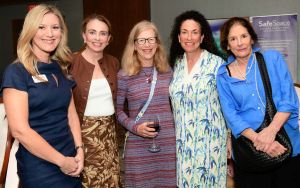
Jennifer Fox, April Harris, Gail Shell, Jessica Malasek, Leslie Aloian
“This night was about far more than fundraising. It was about standing in solidarity with survivors and reminding them that our community believes in their strength and their future,” said Malasek. “I am deeply grateful to everyone who made this evening so meaningful and proud of what we can accomplish when we lead with compassion.”
SafeSpace empowers individuals and communities to achieve freedom from domestic violence. Serving the Treasure Coast, SafeSpace provides critical support services including safe shelter, counseling, advocacy, and prevention education.
 Christine Crook, Melanie Afanador, Jacqueline Smaga, Amy Hammes, Aimee Cooper
Photo Credit: MaryAnn Ketcham
To learn more about SafeSpace or to make a donation, visit safespacefl.org/donate.
About SafeSpace
SafeSpace is the Treasure Coast’s only state-certified domestic violence center, serving survivors and their children 24/7. Since its founding, SafeSpace has provided more than 500,000 safe nights of shelter to over 40,000 victims and children. Its comprehensive programs include shelter, legal advocacy, financial literacy, counseling, prevention education, and specialized children’s services.
Drop Everything and Read at Banner Lake Academy
At Banner Lake Academy, we’re making time for one of the most important skills of all—reading. Through our Drop Everything and Read (DEAR) program, elementary students pause their day to dive into a good book. During this dedicated time, classrooms across the school go quiet as students read independently, building literacy skills while also discovering the joy of reading.
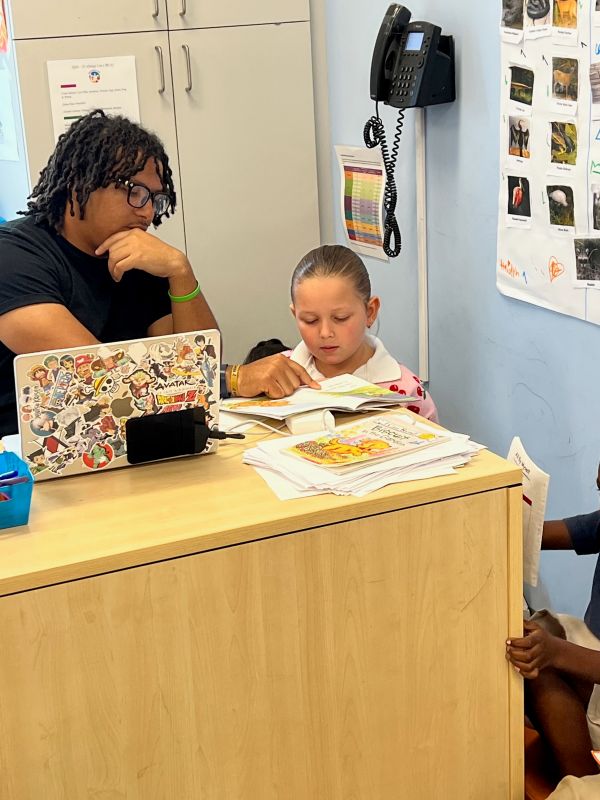
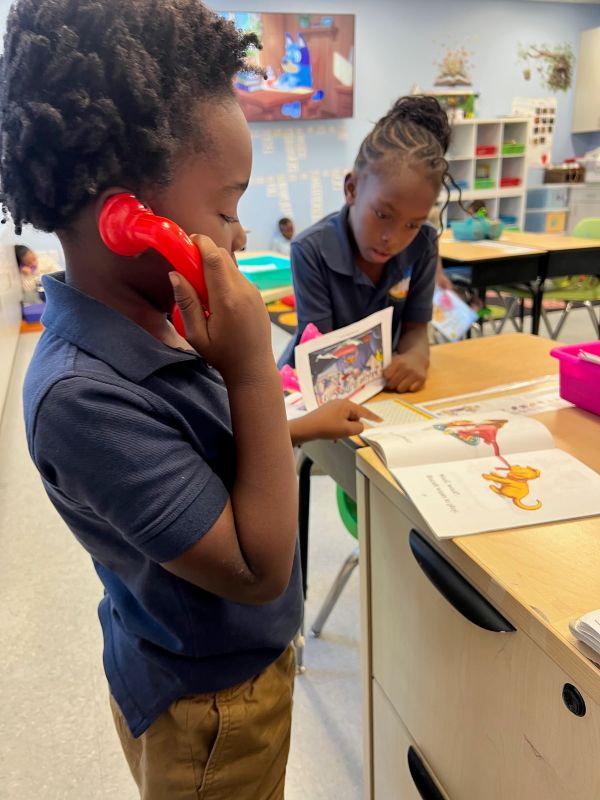

DEAR is a well-established reading practice used in schools across the country to promote strong literacy habits and a lifelong love of books. By slowing down and focusing on reading, students explore new stories, learn new facts, and revisit favorite characters, strengthening comprehension, imagination, and confidence. Through this shared experience, Banner Lake Academy students are not only growing as readers but also becoming part of a larger culture of reading embraced by schools everywhere—one page at a time.
THE BOYS & GIRLS CLUBS OF MARTIN COUNTY’S 3rd ANNUAL SONGWRITERS AND STORYTELLERS FEBRUARY 28TH AT THE ROCKIN’ H RANCH
NEW NAME, NEW VENUE, NEW DATE, NEW EVENT
Wednesday, January 21, 2026 (Stuart, Fla.)- The Boys & Girls Clubs of Martin County proudly announces the return of the Third Annual Songwriters and Storytellers presented by Beth and Steve Svopa and Brown & Brown Insurance, a country-themed music event. This fundraising dinner and dancing event will make you feel like you are in the hit television series Yellowstone. This event was the first of its kind on the Treasure Coast in its debut year, 2023, and it is set for Saturday, February 28, at the Rockin’ H Ranch in Palm City. Due to popular demand, there is a new venue, a new name, and an earlier date. The event benefits the workforce development programs that the Boys & Girls Clubs of Martin County have established to expand career opportunities beyond high school graduation.
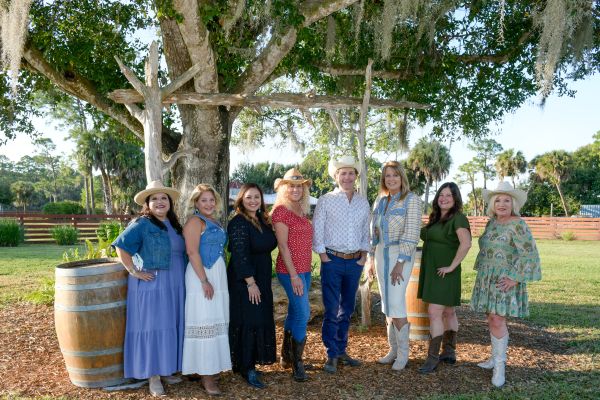
Set on a farm in Palm City, guests will have a cocktail hour on the front lawn with a view of cattle and horses. Appetizers will be served by the members of the Boys and Girls Clubs of Martin County "Fork in the Road" Culinary Program. This year, our radio sponsor, 103.1 WIRK, will feature two radio deejays as our emcees, Moriah and Eddie-E.
 Then, dust off your boots and get ready for a country-themed evening as the Rockin’ H Ranch transforms into a country bash. From the delicious country dinner made and served by the culinary members, guests will also have the opportunity for fun photos before the concert begins. "Songwriters and Storytellers" is a unique, intimate musical experience that offers a "behind-the-music" concert that spotlights some of the best singer/songwriters, including Ricky Young, who has established himself as a student of the craft of songwriting, securing coveted co-writes with Luke Combs, Zac Brown Band, Lee Brice, Love and Theft, and Dave Gibson. Young’s first single, “Could You Love Me Again,” hit the radio in February of 2013. His YouTube channel has over two million views. Young collaborated with long-time friend and Carolina crooner, Lee Brice, on a gritty country rock track titled "I Carry It With Me." Young has toured and played nationwide since 2001 and has opened up for artists like Eric Church, Blake Shelton, Reba McEntire, Lee Brice, Jerrod Niemann, Eli Young Band, Darius Rucker, Montgomery Gentry, Tyler Farr, Parmalee, Craig Campbell, Chase Rice, and many more. In 2015, at a Nashville songwriters round, Young met a young new singer-songwriter from North Carolina named Luke Combs. The two hit it off, and Young asked Combs to join his tour. They wrote songs while touring, including a tune “Shell Shocked” that landed on Young’s Shock Moves EP in 2016. As it turns out, this was Luke Combs' first time touring as a Nashville singer-songwriter-artist. It all worked out for Luke Combs! Young says that being a small part of Luke’s career has been one of the most gratifying parts of moving to Nashville. Most recently, Young partook in a year-long residency at Flora-bam, where he played over 150 gigs since 2020. He now resides in Jupiter, FL, where he writes along the coast and is living his best "pretired" life. Our next featured artist is Cade Walker, a Stuart native who made the bold move to Nashville at just 19 years old. A country and country-rock songwriter, Cade found early success when he co-wrote the song “Drunk, Stoned, Or Sober by artist Josh David. He was also selected for ASCAP’s prestigious 2026 GPS Songwriter Program, further cementing his rising status in the industry.
Joining Young and Walker is a name to remember: Jordan Oaks. New England-born and raised American singer-songwriter, Jordan Oaks, has accumulated over 290 thousand streams and thirteen million active listeners on just one single in just two years of its release date. Derived by inspiring country legends such as Merle Haggard and George Strait, Jordan Oaks is reviving these 90’s traditional artists with his own deep-rooted music by incorporating the southern classics with elements of his own. In 2021, with his hit single, Jordan Oaks stepped into the spotlight of country music on several national sites, securing Number 13 on Country music charts and Top 4 on iTunes. Oaks’s ability to revive nineties traditional music is highly acknowledged by his audience and fellow artists. He lives by “These Roots Run Deep,” a phrase that reflects his values and appreciation of where he came from and where he is headed.
 Following dinner, the night will explode with Jordan Oaks and his band as they play 90’s country and today's country hits as guests boot scoot and boogie the night away.
The evening will culminate in a silent and live auction, and guests will learn about the impact the Clubs have on the local community of students. Funds raised will support the mission of the Boys & Girls Clubs of Martin County: enabling all young people, especially those who need us most, to reach their full potential as productive, caring, responsible citizens. This event will directly benefit the Workforce Development Program. The program is the only pre-apprenticeship program of its kind, teaching essential employment skills to our youth to create a direct pipeline to employment—and employers. Boys & Girls Clubs of Martin County offers comprehensive training, providing hands-on learning opportunities through their Skilled Trades Program, Career Exploration and Virtual Training, Culinary Programs, Manufacturing 4.0, and Futures in Fashion. The primary goal of the Workforce Development initiative is to ensure that every young individual has equal access to resources and career opportunities after graduation.
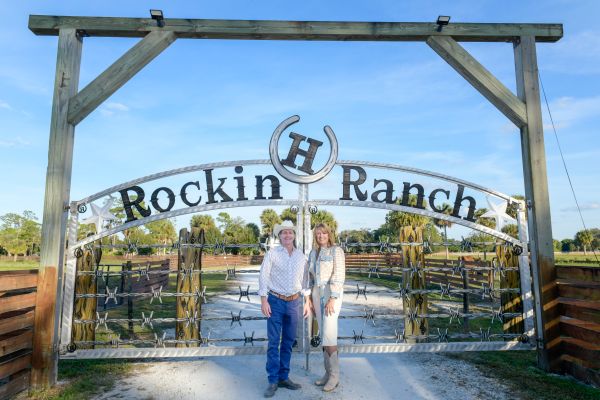
The event is co-chaired by Beth Garcia Svopa (board member) and Andrew Kennedy. Committee members include Dan Bettencourt, Missi Campbell, Aislynn Mooney, Jackie Rea, Jennifer Sardone-Shiner, Meghan Shirey, and Sarah Testa. Sponsors include Beth & Steve Svopa, Brown & Brown Insurance, Proctor Construction Company, FPL, Alpha Door & Hardware, Architectural Design Collaborative, 103.1 WIRK, The Stuart Magazine, and JSS Marketing & PR.
Tickets are $300, and sponsorship opportunities are available online at https://www.bgcmartin.org/songwriters-storytellers-2026. For more information, visit or call Meghan Shirey at (772) 545-1255 or SpecialEvents@bgcmartin.org.
About Boys & Girls Clubs of Martin County:
For more than 30 years, Boys & Girls Clubs of Martin County has provided award-winning programs designed to guide and inspire young people ages 6-18 to learn, grow and mature in route to becoming successful adults. Each of the four clubs enjoys strong partnerships with local schools and communities. Such cohesion ensures that Boys & Girls Clubs' programs complement and enrich the curriculum our members learn in class as well as remain attuned to the challenges and opportunities they face on a day-to-day basis. The clubs offer opportunities for fun, fitness, and S.T.E.A.M. activities, and certified teachers collaborate with club members on everything from tutoring and homework help to specialized courses that prepare them for careers in a variety of trades.
Calendar Listing:
February 28, 2026, at 6 pm-Boys and Girls Clubs of Martin County Third Annual Songwriters and Storytellers. The best of singer/songwriters include Ricky Young, Cade Walker, and Jordan Oaks. This incredible acoustic performance will also include the stories behind favorite country music songs. There will be music, dancing, and silent and live auctions, and guests will enjoy a dinner provided by the culinary members at the Boys & Girls Clubs of Martin County with their food truck, The Fork-in-the Road.
Photo Credit Mary Ann Ketchum

Kool Cats & Diggin’ Dogs set the stage for Humane Society’s premier gala
STUART, Fla. — The Humane Society of the Treasure Coast’s premier fundraiser — the Paws and Claws Gala — is the largest one of its kind on the Treasure Coast. Presented by the Catsman Foundation, this year’s event, themed “Kool Cats & Diggin’ Dogs,” will be held from 6-11 p.m. on February 21 at the Willoughby Golf Club, 3001 SE Doubleton Dr.
Tickets are $275 per person and may be purchased online at hstc1.org/gala. Each year the gala raises more than $200,000, with all of the proceeds benefiting the shelter animals. Volunteers Diane Coakley and Allola McGraw are co-chairing the gala. Their volunteer committee members are Carol Dippy, Debbie Hansen, Shaun Kelly, Michele McCambridge, Sarah Ralicki, Wendy Talbot, Melony Zaravelis and Kay Ziegler.

Co-chairs Diane Coakley and Allola McGraw
In addition to the flavorful fare and specialty cocktails, The Essence of Motown will provide live entertainment and dancing opportunities for the guests to groove to the rhythm of Motown. Attendees are encouraged to dazzle and shine in glitz, glamour and soul attire.
The gala will feature many tempting items to bid on in both silent and live auctions. Beginning February 14, bidding on some featured items can begin early by visiting the humane society’s online auction web page at www.hstc1.org/gala. More items will be added in the days leading up to the event, so organizers are encouraging supporters to keep on checking the website.
Fans of the classic television show, American Bandstand, are in for a special treat, too! Paws & Claws Gala attendees will have the chance to enter a raffle in hopes of winning one of three seats on the “American Bandstand” Rate a Record judge’s panel where they will rate two surprise songs performed by The Essence of Motown. All three judges will be entered into a drawing for the chance to take home a private dinner cruise for four people on the luxurious Food Yacht in Jupiter. Only those who attend the event will be eligible to participate in this raffle.
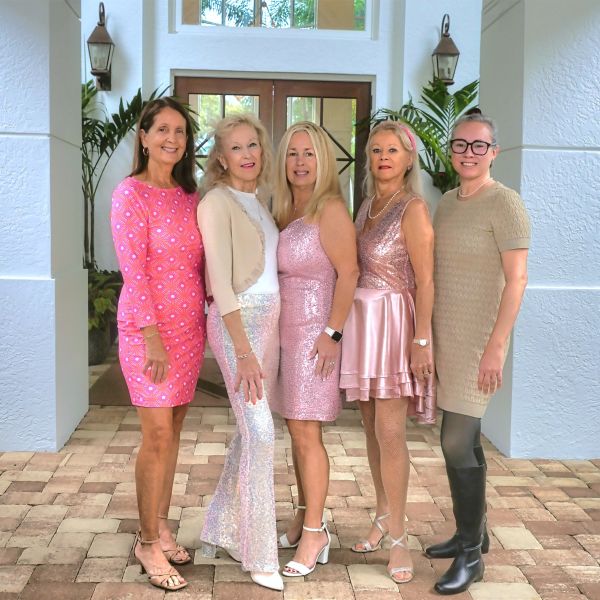
Debbie Hansen, Diane Coakley (co-chair), Wendy Talbot, Allola McGraw (co-chair), Melony Zaravelis
Presented by The Catsman Foundation, additional sponsors are Apex Pavers & Pools, JetLoan Capital, The Saelzer Atlas Wealth Management Group of Raymond James, Team Parks, Stuart Magazine, and TC Palm.
For event questions, contact Alyssa Bean via email at events@hstc1.org or call 772-600-3215. For sponsorship opportunities, contact Fundraising Associate Shelly Marino via email at development@hstc1.org or by phone, 772-600-3216.
About the Humane Society of the Treasure Coast – The Humane Society of the Treasure Coast (HSTC) is a no-kill animal welfare organization located at 4100 SW Leighton Farm Ave. in Palm City, FL. Since 1955, it has been the leading advocate for animal protection and well-being in the Martin County area. A 501(c)3 private, nonprofit organization, the HSTC is independent and locally operated and relies on donations to support its programs and services. Follow the HSTC on Facebook at https://www.facebook.com/humanesocietyTC and Twitter at https://www.twitter.com/hstc1. For more information, visit https://www.hstc1.org or call (772) 223-8822.
Photos by Mitch Eiseman Photography
Indian River State College and USA Team Handball Launch Strategic Partnership to Establish National Training Presence on the Treasure Coast of Florida
Fort Pierce, FL (January 12, 2026) — Indian River State College (The River) and USA Team Handball have formally launched a strategic partnership to establish a sustained national team training presence on Florida’s Treasure Coast, supported by Play Treasure Coast / the Treasure Coast Sports Commission, and St. Lucie Public Schools.
The partnership represents a significant step in USA Team Handball’s long-term national training site strategy, as The River and USA Team Handball collaborate on the development of dedicated, on-site handball facilities. During this maturation phase, St. Lucie Public Schools has provided exceptional support by making the Westwood Academy Gym available for training and programming, ensuring immediate continuity for athletes and staff.
This collaborative effort positions the Treasure Coast as a growing hub for Olympic and international sport development, aligning higher education, public schools, and destination sports tourism around a shared vision for sustained national-level training that prepares athletes for the highest levels of global competition.
“This partnership reflects the kind of collaboration and support it takes to move American handball forward,” said Michael King, Chief Executive Officer of USA Team Handball. “A consistent training environment is always a prerequisite to success, but it is never a given—it requires cooperation, shared resources, and institutional commitment. Thanks to Indian River State College, Play Treasure Coast, and St. Lucie Public Schools, we move directly into a full preparatory environment. That step change allows our athletes to train with continuity and accelerate toward sustained international performance.”
“Indian River State College is proud to serve as the future home to USA Team Handball's National Training Center, joining USA Diving in making our campus a premier destination for Olympic-level athletics,” said Dr. Timothy E. Moore, Indian River State College President. “This partnership reflects our commitment to excellence in all areas—from academics to athletics—and creates invaluable learning opportunities for our students while strengthening our ties to the Treasure Coast community. We're excited to welcome USA Team Handball to Fort Pierce and support the development of future Olympians right here at The River.” Athletes are scheduled to begin relocating and training in the region in mid-January, marking the operational start of the partnership.
The public kickoff of the collaboration will take place on January 17, 2026, with the Commander-in-Chief’s Trophy collegiate handball match between the United States Air Force Academy and the United States Military Academy (West Point). The match is free and open to the public and will begin at 3:30 p.m. on Saturday, January 17, 2026 at Fort Pierce Central High School, 4101 S. 25th Street, Fort Pierce, Fl 34981. This match will serve both as a competitive showcase and as a ceremonial launch of the partnership’s physical footprint in the region.
Rick Hatcher, President/CEO of Play Treasure Coast Sports Tourism; “This event represents everything Play Treasure Coast Sports Tourism stands for—elite competition, national impact, and unforgettable experiences. Bringing West Point’s 17-time national championship program together with the U.S. Air Force Academy, alongside U.S. National Team leadership, puts Fort Pierce, St. Lucie County and the Treasure Coast on the map as a premier destination for emerging Olympic sports like team handball.”
“St. Lucie Public Schools is thrilled to partner with Indian River State College, USA Team Handball, and Play Treasure Coast in bringing this exciting national training presence to our community. By repurposing Fort Pierce Westwood Academy’s original gym to serve as a dedicated training venue for elite athletes, we are not only directly contributing to the growth of Olympic level sports in the United States, but also creating unique, inspiring opportunities for our own students. This collaboration exposes our students to world class athletes, fosters a culture of excellence and strengthens the ties between education, athletics, and community pride. We deeply appreciate the shared vision and commitment from all partners, and we look forward to the positive impact this will have on our students for years to come.” - St. Lucie Public Schools Superintendent Dr. Jon R. Prince
USA Team Handball’s partnership with The River and regional stakeholders reflects a broader commitment to building durable training infrastructure, expanding domestic development pathways, and strengthening the United States’ competitive position internationally in advance of the Los Angeles 2028 Olympic and Paralympic cycle and beyond. USA Team Handball joins USA Diving as the second Olympic sport National Governing Body to establish operations at Indian River State College.
Additional announcements regarding facility development, programming expansion, and community engagement initiatives will be made as the partnership progresses.
About USA Team Handball: USA Team Handball is the National Governing Body for the sport of team handball in the United States, responsible for national teams, grassroots development, and international representation in Olympic, Paralympic, and world championship competition.
About Indian River State College: Indian River State College, serving Florida's Martin, St. Lucie, Indian River, and Okeechobee counties, offers high-quality, affordable education to over 24,000 students annually through traditional and online courses. The College provides more than 130 programs leading to bachelor's degrees, associate degrees, and technical certificates. To learn more, visit irsc.edu.
Lakeside Stroll Brings Community Together to Remember Loved Ones
Treasure Coast Hospice Foundation Hosts Annual Event January 31 at Tradition Square
(STUART, Fla. Jan. 20, 2026) – The Treasure Coast Hospice Foundation will hold its annual Lakeside Stroll: A Walk for Hope and Healing on Saturday, January 31, at 8 am, at Tradition Square in Port St. Lucie. The free stroll around the Lake at Tradition is an opportunity for individuals and families to honor loved ones and support members of the community who are grieving.
“The Lakeside Stroll offers the community an opportunity to honor loved ones while supporting individuals and families as they continue their grief journey,” said Director of Grief Support and Pediatric Services Jacki Nardone, LCSW, ACHP-SW. “The annual event raises awareness for Treasure Coast Hospice’s grief counseling services and provides a peaceful space for remembrance and healing.”
Participants are invited to take part in a special legacy project, a memorial tapestry, by writing the names of loved ones and personal messages on fabric strips. The pieces will be woven together into a stunning wall hanging that will be displayed at the Treasure Coast Hospice Grief Support Center. Begun in 2019 by master weaver Hollie Machen, the project has since grown to include a second tapestry, now filled with hundreds of names and heartfelt messages of love and healing. Strollers are encouraged to bring photos of their loved ones to place on the Memory Wall. The event also features children’s activities, a Veterans station, a Pet Tent and raffles. Pets are welcome to walk alongside their owners.
Presenting sponsor Bray Commercial Services is joined by other event sponsors, including Estate, Trust & Elder Law Firm; Cleveland Clinic; Martin Funeral Home and Crematory; Dignity Memorial; AApex Electric; Boys and Girls Clubs of St. Lucie County; Children’s Services Council of St. Lucie County; Remnant Construction; iThink Financial; Visiting Angels Port St. Lucie; John Jacobs Construction; True Crew Dance Co.; Living Faith Church; Natalie’s Juice; and Gordon Foods.
The Lakeside Stroll is free to attend. Registration and a “grab and go” breakfast begin at 8:00 a.m. Pre-registered attendees will receive a t-shirt while supplies last.
For more information or to register, visit www.treasurehealth.org/LSS or contact Mark Olson at 772-403-4413.
About Treasure Coast Hospice
Treasure Coast Hospice is a non-profit community organization of skilled professionals and dedicated volunteers whose mission is to provide access to compassionate, caring, expert and professional hospice and grief support services to patients and families at the end of life. Founded in 1982, Treasure Coast Hospice has grown to serve more than 4,000 patients annually in Martin, St. Lucie and Okeechobee counties. Thanks to the generous support of our community, the Treasure Coast Hospice Foundation is able to fund comprehensive hospice and grief support programs for Treasure Coast Hospice, including three Inpatient Units for those who need a higher level of care, the specialized pediatric program Little Treasures, music therapy, massage therapy, virtual reality experiences, individual and group bereavement services, and Camp Good Grief for children who have experienced the loss of a loved one.


I urge those who are reading this newsletter to send an email expressing their opinions on subjects. When a reader sends one, it will be included if I find it relevant and I have adequate space. I may edit the letter because of length and clarity. You don’t have to agree with me to have your letter in Friends & Neighbors. All you must do is send it to TOM CAMPENNI or fill out the form on the website.
From Jeff Order
Hi Tom,
Your name came up today and I Was guided to and read your article about the next phase of development at the airport .
. There’s a reason why commissioner Vargas was upset about the unusually called special meeting during the holiday week.,and the approval of the VCAP.
There has been no communication to citizens ,much less approval from the citizens , for the 63 acre VCAP expansion plan. It’s not on line anywhere The plan if implemented will mean more buildings noise and traffic .
As you will see if you read the plan….there are issues with even putting the plan into action
PLEASE , please read the attached plan, It will take a little time but you might see things differently or it might give you questions .
We do not know the cost to the citizens or the potential benefits or harms to the community
Thank you for your time….And the service of providing the newsletter !
Ronald Larock
Hi Tom,
The old age article discussing immigration is very biased.
I did some online research and in Massachusetts we pay between $2400 and $3800 per week for illegal immigrant families. In Minnesota 80 percent of Somalies are on welfare.
Immigration is fine, but there is no reason why we should be paying for them. Also, they have to follow our laws and it seems they want to bring their lawlessness with them
Oscar L Torres
Hello Tom.
Hope you are doing well.
You don’t hide your liberalism, do you?
I assume by now, you have changed your party affiliation.
ICE is removing illegal aliens and doing so according to federal law. On top of that, most of the ones that they are removing are criminals that have been previously convicted of violent acts. Many, numerous times.
I’m sure glad I live in a law-and-order state that does not condone such criminals.
Certainly, you did not believe in the open border policy of the Biden administration.
Also, isn’t it great to spend about $1.00 or more less for gas than a year ago and to have a prosperous economy?
I for one, thank the lord daily.
MAGA!!!

In the last edition, the Martin County Taxpayers Association had a column outlining commissioner travel expense spending.
The purpose was not to shame any one commissioner but to make the commission realize as a body that their travel expenses need to be budgeted. I can’t understand how they can claim to be looking after their constituents’ dollars and then proceed to ignore sound fiscal management. I was told recently that one commissioner is trying to wrangle having their spouse accompany them on a visit to the Pentagon.
A couple of things strike me as ludicrous with the proposition. Why is any commissioner who is representing a district without a defense installation spending money to go to Washington to visit the Pentagon even though I understand the Army Corps of Engineers is there. (BTW our headquarters and colonel in charge is based in Jacksonville.) And second why is a spouse accompanying a commissioner even if a legitimate reason exists for a visit to the Pentagon. Aren’t they adult enough to travel alone?
The BOCC needs to immediately set travel budgets for every commissioner. In a time when the state is threatening to cut how local government collects taxes; the last thing we need is a commissioner saying one thing from the dais about frugality and acting as if the taxpayers are there to fund their vacation.
 Where is the County Administrator in all this? It is true that he works for the commissioners, but good government demands he comes up with a budget plan for this and then presents it to the commission. If the commission then reject it or water down the proposal, then the voters and taxpayers will know exactly who to look to replace at the next election.
In the article, MCTA lists giving the commissioners budgets with the chair receiving a little more money. Instead of aides and commissioners booking travel arrangements, the Financial Services Department should do so with all travel points and other benefits accruing to the county. Is this too much to expect our elected officials to operate in the same way that every corporation does or are our commissioners and administrator all talk regarding financial accountability and no action?
MCTA could have just as easily released all the travel records for the past three years, but they did not want to embarrass anyone. If the commissioners can’t follow simple fiscal guidelines as far as travel is concerned, then why should the voters and taxpayers trust them with hundreds of millions of dollars every year?
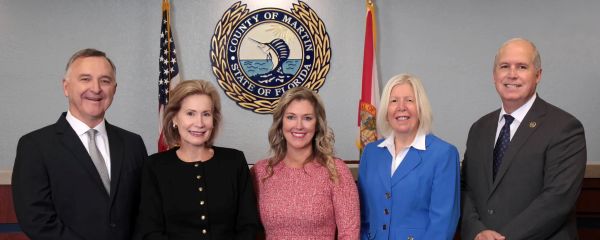
This is about fiscal responsibility. We at Friends & Neighbors and I am sure at MCTA want nothing more than to have our elected officials not just say they are acting in our interest but demonstrate it. We want to treat them as adults…they should act that way

At the last commission meeting Mayor Boss Collins decided that Louis Boglioli should no longer be interim manager. Poof he was gone and, in his place, came Human Resource Director Roz Johnson. What was Boglioli’s crime? Is it because he spoke to me as he is obligated to do according to the job description? Maybe Boglioli refused to take all of Collin’s instructions. The curtain must fall over City Hall.
Can’t have the people know what the tyrant is doing. And make no mistake Collins no longer is one of a five-member commission. He is the commission. He is the entire enchilada.
 Boglioli must have felt the Sword of Damocles over his head because he has now resigned as Finance Director. After 30 years in the city a wealth of knowledge will be gone. First Collins dispatched Mortell as someone that could stand in his way and now Boglioli.
City policy requires department heads to give 90 days’ notice. Unless Collins wants him out faster, he will continue to do his job for that period of time. But what comes next?
The city just instituted a new payroll system. How many people know how to use it…two. One of them is Louis Boglioli. The other person may just walk with him. The same goes with the audit that is beginning now. What about next year’s budget?
No one is irreplaceable. Yet after Mortel’s firing staff was being held together by Boglioli. How many more will flee? Government is not like the private sector there are plenty of openings in neighboring jurisdictions. The best will want to get out of the chaos.
 Mayor Boss Collins believes in chaos. He sows it wherever he goes. The smaller the organization the easier it is destroyed. Collins is a destroyer. He doesn’t belong anywhere near a position of authority.
If he dispatches Boglioli before the 90 days which he probably will, the city certainly will take years to recover because everything Louis knows will be gone along with a slew of other employees. It isn’t as though they can’t get other jobs. The only ones that can’t find more lucrative ones are Collins, Giobbi, and Reed.
I reached out to Boglioli for comment, but he did not return my phone call.
Mayor Boss Collins and his Politburo once again screwed the taxpayer at this meeting.
 Something as simple as hiring a new magistrate became a gravy train for Collins to hire his preferred choice for magistrate at a much higher rate of pay than before. It was incredulous to see the machinations for him to have his pick. But that is just another example where the taxpayer be damned.
As an individual hiring an attorney, the first thing you want to do is make sure they are credentialed and qualified for the legal matter you are bringing to them. You wouldn’t hire a criminal defense attorney to handle your divorce. In the case of the city magistrate, the attorney should be experienced in the city and state codes. Everyone agrees that the two attorneys being considered were qualified. Even the Boss from the dais said that.
The other thing to consider is how much the attorney charges for the services. Gemma Torcivia, one of the two under consideration, was going to charge Stuart $200. The other, Brett Lashly, was going to charge $375. If they are equally qualified, who do you think the commission chose? If you said Torcivia, you would be wrong. The Boss and commission hired Lashly.
 As a taxpayer, I am scratching my head as to why the Boss not only nearly doubled the expense of having a magistrate but why Lashly was chosen over Torcivia. Perhaps it has more to do with lifestyle than law. Lashly is a good-looking White male. Torcivia is not.
And I believe there is another factor. Paul Nicoletti, the former city manager, attorney, and now magistrate, ran afoul of a friend of Collins. I covered that situation in the last edition. You can read about it here .
Paul is of Counsel at Gemma’s firm. He thought, as would any rational person, that Torcivia at $200 would get the position. Rationality is in short supply at the City of Stuart.
The vote to hire Lashly was 5-0. Commissioner Rich, who had said in the last meeting when Collins proposed raising the hourly fee the city paid from $200 to $375 so his pick could be chosen asked, “why was the commission negotiating against itself?” That was the right question, Rich. I don’t understand then why Rich then voted to hire Lashly. I guess it was utter exhaustion from trying to fight the Mayor Boss Collins machine and he caved.
 In the scheme of a multi-million-dollar budget, this is small potatoes. Collins has already increased the Fire/Rescue budget so high that, within a year or so, the city will have to disband their more than 100-year-old department and have the county provide the service. If that move happens, Stuart taxes would come down, and the city residents would be subject to the county MSTU.
Many Stuart residents, the city staff and other commissions fought hard to have a fire department. I know I did! And until Collins came along and began putting his thumb on the scale in favor of more personnel and increased pay, we held the line. Collins single handily destroyed the possibility of Stuart retaining an independent fire department.
Mayor Boss Collins is chaos. He destroys and does not build. St. Paul, in one of his letters to the Corinthians, wrote that Satan disguises himself as an "angel of light," implying a false representation of divine holiness. That fits Chris to a Tee.
The City of Stuart has asked Judge Ewen who found in favor of Polk Street Hotel to rehear the case. She ordered a rehearing by the commission of Polk Street's claims. I reported on it in the January 11th edition.
I think the judge was correct in her ruling. Remember this is a hotel on two contiguous parcels on Federal Highway about a third of a mile south of the Roosevelt Bridge. Both parcels already are entitled by the land use to build a hotel.
However, since there are two different zoning categories, the owners want the commission to give them one use. The difference is with one classification, parking is at the back of the building and with the other it must be in the front. The owners prefer to put parking in the rear but will take either one.
What is the big deal? It is not a multi-family dwelling nor one which will require many city services. If anything, it will be a money maker for a strapped city that is heading downhill financially fast.
But the Politburo under Mayor Boss Collins said no. I guess they expect the vacant lot and old Aycock Funeral Home will remain unused. How is this good government? How is this good for the city?
 Collins has decided to appeal the decision and spend thousands to do so. I personally think it is foolish, but that is one man’s opinion. So is the idea of an appeal.
But the commission never took a vote to do so. I am sure the city attorney decided to follow Boss Collins’ instructions and ignore even voting on whether to spend taxpayer dollars. Anything to stop any improvements and new tax money coming into the city.
I am sure Attorney Baggett will say that there was not time to wait until the next meeting to have a vote. I also will venture to guess that Baggett will say the money was already set aside in his budget to hire an outside counsel to appeal something, somewhere, during the year. What a load of you know what.
Probably if a vote were taken, it would have been 3-2 to do the appeal. That doesn’t mean a vote wasn’t necessary. This is the way Stuart operates now…at the whim of one man.
The galling part is city staff won’t at least go through the formalities to make things legal. I guess Baggett was too afraid for his job to cross the Boss. Look at what happened to Mortell and then Boglioli. But…there will be a reckoning at some point in time.
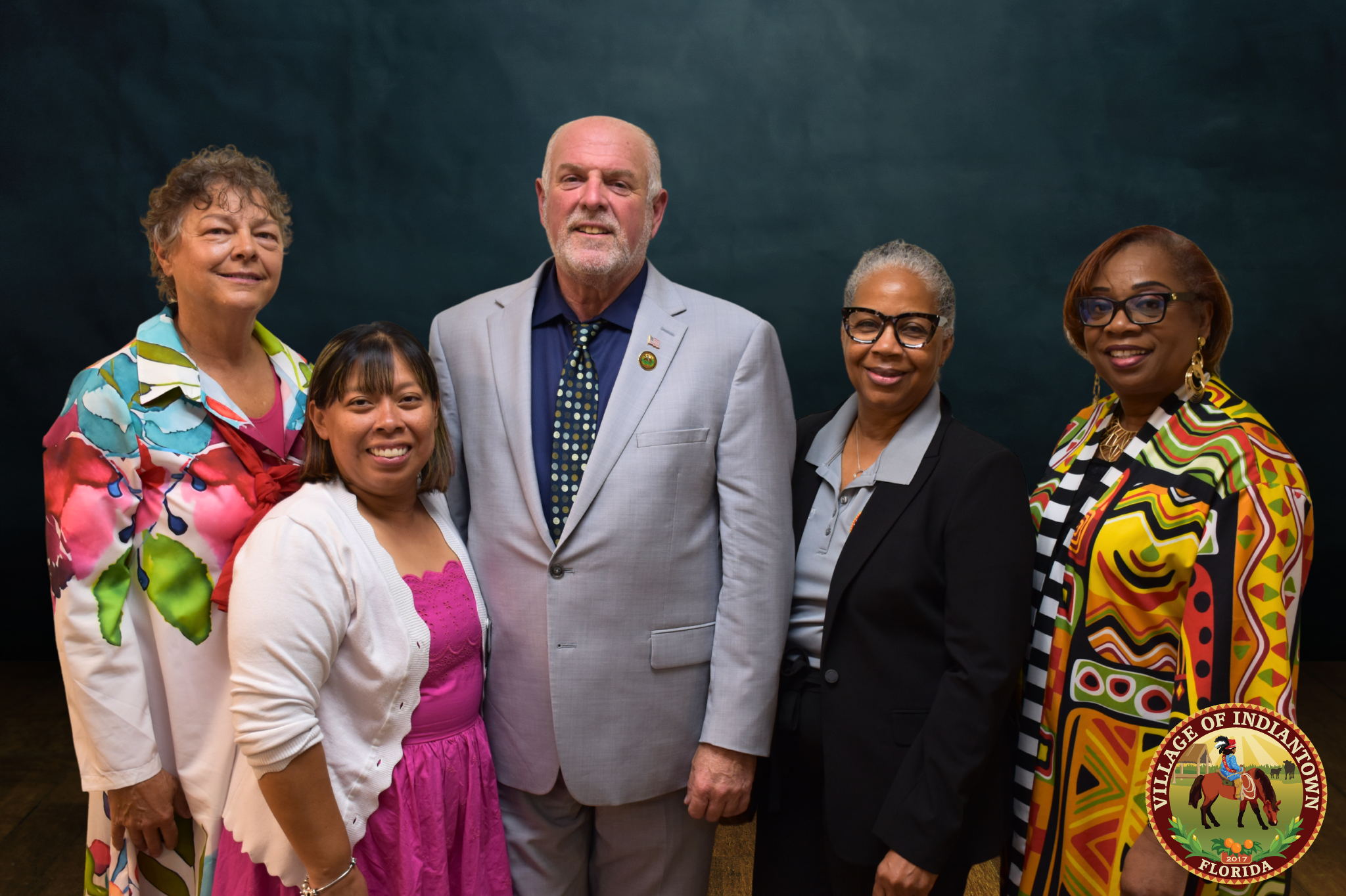
Indiantown & Martin County are in negotiation for the county to sell property of a little over an acre to the village. It is located on Charleston Street in Booker Park.
The property is adjacent to the multi-use athletic fields and across the street from the Parks and Recreation office building. Before incorporation, the lot was acquired by the CRA to build affordable housing. That never happened.
Since the property was acquired by Tax Increment Financing (TIF), the county’s CRA needs the funds, and it should be acquired by Indiantown at fair market value. Martin County had an appraisal done and it valued the parcel at $310,000. The county has offered to sell it to the village for $283,234.
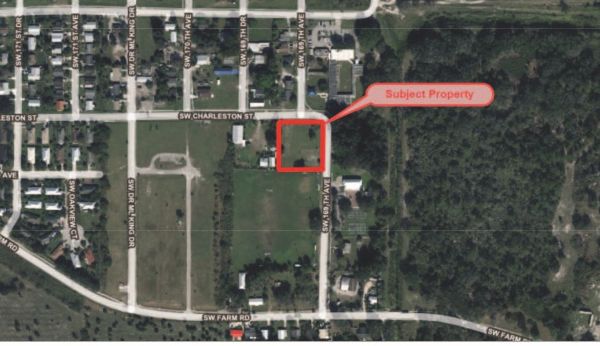
Indiantown’s appraisal showed the price to be $275,000. The village would fund the property purchase using the half cent sales tax proceeds. The property would probably be used to enhance the current athletic fields. The village manager wants to make a formal offer of $275,000.
D.R. Horton will be building 71single family homes nearby on Charleston Road. Large vacant parcels are quickly being bought up. With this housing development, almost 11 acres will no longer be vacant. The community will have less open land for use by the kids and adults.
Even if the village pays the county’s price, it will be well worth it. This is the time to make sure that the village’s parks can expand to accommodate the current and future residents of Indiantown. The vote was 5-0 to proceed with an offer of $275,000.
Indiantown is once again thinking about giving tax rebates to businesses that relocate or start new in the village.
During the last election, the village had an economic “toolkit” on the ballot to incentivize businesses that included other enticements beside tax rebates. It failed to pass. I guess they are hoping it will pass this time without all the bells and whistles. Martin County, with their newest version of incentives, has extended them to the entire county including municipalities. Indiantown will just be giving tax rebates.
This may be more palatable to the voters because it strictly applies to real estate taxes. What the council would be doing is rebating a small amount of the increased taxes on a parcel a new business locates to for a limited period. As both Onsager and the mayor said, “For a little time the business would be paying less than the full amount of their real estate taxes to induce them to come to the village and bring their jobs.”
The vote was 5-0 for staff to bring something back to go on the August ballot.
Unfortunately, the current town manager, Bob Garlo, is having health issues.
The commission has hired Colin Baenziger & Associates to assist in finding a new manager. Baenziger has helped other Martin County municipalities in the past to find replacement managers. In the interim, when Garlo is absent John Duchock, who is the assistant manager, is now authorized to act in Garlo’s place.
Interestingly, the town charter does not automatically grant the assistant the power to function as the manager. The town attorney will, I hope, be updating the town documents for the future. Garlo was the Director of Public Safety before becoming manager.
Kelly Layman, the town’s lobbyist, resigned last month. Manager Garlo has hired former Senate President Ken Pruitt’s P5 Group to take her place. Pruit is a high profile and high-powered lobbyist with deep roots in Tallahassee.
Pruit tprofiled several anti-home rule bills and the real estate tax proposals for the commission. So far, there are 7280 member bills for appropriations and 1700 bills to change statutes that have been filed. Most will never see passage.
For appropriations, Pruitt could be key to making it happen. I don’t know whether he would have any chance of changing the policy bills. I was told by an old Tallahassee hand years ago that a lobbyist can be the reason to making sure a money bill is passed by the legislature and signed by the governor but only organizations like the Florida League of Cities or local elected officials themselves lobbying can have policy bills killed or changed.
The LPA met regarding changes to the Comprhensive Plan. There is a resident survey to see what changes they are looking for. During the next couple of months, the commission, LPA, and consultants will meet to finish up the changes and send it to the state.
If you look in the letter section, you will see a reader writing who purports to know my stand on the question of immigration and expressing other opinions. Unfortunately, like so much today, it is wrapped within its own cocoon of half-truths and bad information. You can’t have a debate on policy if you don’t start with accurate facts.
 I believe the United States should continue as it has since the Pilgrim immigrants set foot on Plymouth Rock and were welcomed by the Americans (indigenous people from the Wampanoag Tribe.) Our population will shrink without immigrants. We are not producing the 2.1 children per woman of reproductive age necessary to keep a steady population…never mind population growth. Our tax base will shrink and we will have a worker shortage.
 On the other hand, people should not just swarm across the border. But we do need to have a sound and practical system to allow people to apply to come live, work, and assimilate with the government’s complete knowledge.
Most people who come are here legally, if only temporarily. Every person who comes across the border and applies for asylum because of fear of prosecution is here legally under the laws of the United States. They can be detained in federal custody or released and receive permission to work while their claims are litigated in court. It makes much more sense that they are released and allowed to check in periodically with the court while their application is pending.
 By federal law, they cannot be deported without a judge’s permission or until it is determined that they do not have a valid claim of asylum. Homeland Security is currently deporting anyone they want without a judge’s sign off. This is simply not constitutional or legal.
Several million others are allowed to stay under Temporary Protective Status (TPS). Cubans, Venezuelans, Haitians, Ukrainians, and others by just being from those countries are allowed to remain here because of the regimes in power or wars going on at home.
 President Trump has severely curtailed these programs even though nothing has gotten any better in these refugees’ homelands. Which begs the question of why does Trump and so many people have a problem with immigrants? Did Trump forget that his mother and two of his three wives were immigrants. Are Americans threatened by an immigrant’s color, language, or customs?
You hear from the government that only criminals are being deported. How do you define the term? About 5% of the deportees so far have a felony criminal record. About 35% have had no arrests, driving tickets or misdemeanors. The other 60% may have an arrest for misdemeanor marijuana possession, a speeding ticket, or driving without a license. How many U.S. citizens have a moving violation of some sort? I know I have had a couple.
 If you are an American and are lucky enough to have the money to invest in stocks and property, you are doing very well. You were doing very well under Biden and you’re doing very well under Trump. The U.S. stock market’s S&P 500 gained 16.39% last year but the South Korea Kospi index soared by 76%. The MSCI All Country World stock index (which excludes U.S. stocks) was up 29.2%.
The dollar fell by 9.4% against a basket of currencies which makes our exports cheaper but our imports more expensive. If you add tariffs (94% of which are being paid by the American people according to a Wall Street Journal article), then it is hard to see that as a nation we are better off.
 Gas prices did fall about 14% in Florida year over year from $3.11 last January to $2.70 this year. Inflation is still above the Fed target of 2%. Last January, it was 3.2% and it’s 2.8% now. That means prices continue to climb, and if you are working for wages or are retired, you have less spendable dollars than you did a year ago. Again if you have a government contract to light the turnpike you are doing well, if your contract is mowing a homeowner’s lawn not so well.
Most of these figures are directly from the government. That is Trump’s government. No, I don’t think the country in any way, shape, or form is better off than it was a year ago. But thanks for sending your thoughts.
IF YOU ARE NOT A SUBSCRIBER DO SO FOR FREE HERE www.friendsandneighborsofmartincounty.com
GET THE WORD OUT
Friends and Neighbors of Martin County is your eyes and ears so that you know what is going on in Martin County’s municipal and county governments. I attempt to be informative and timely so that you may understand how your tax money is being spent. Though I go to the meetings and report back, I am no substitute for your attending meetings. Your elected officials should know what is on your mind.
Tom Campenni 772-341-7455 (c) Email: thomasfcampenni@gmail.com
.
Tom’s Articles
From Medium
"The Prize"
"Tales of the Vikings"
From Martin County Moments
"One Man Rule"
Other Articles
The Economist: "America's adventurism is unsettleing China"
The New York Times: "To Their Shock, Cubans in Florida Are Being Deported in Record Numbers"
CT Capitol Dispatch: "Federal Energy Policies Expose Consumers to Surging Heat Costs Amid Frigid Temps"
Paul Krugman's Substack: "It's Sundowning in America"
The Economist: "America's most novel train project is too deadly"
Wall Street Journal: "New Hampshire Lawmakers Are Tired of Getting Paid Like It's 1889"
Florida Phoenix: "Smoking marijuana in puclic places banned under bill moving in Florida Senate"
The Economist: :Canadian soldiers are subject to Donlad Trump's orders"
Wall Street Journal: "The Dream of a Florida Retirement Is Fading for the Middle Class"
Greenwich Time: "Buying a fire truck has become a nightmare"
Wall Street Journal: "Why Denmark Controls Greenland"
Florida Phoenix: "Vax manufacturers could get hauled into court under bill moving through Senate"
New Jersey Monitor: "NJ lawmakers OK plan to charge data centers for spiking electric costs"
Wall Street Journal: "The Rise and Fall of the American Monoculture"
Copyright © January 30, 2026 Friends & Neighbors of Martin County, LLC., All rights reserved.