




Well, the politicians in Tallahassee have demonstrated how little regard they have for local government and your judgement. Doing away with property taxes for full-time residents is one moronic idea that will only lead to fewer services and overall poorer conditions in our counties and cities. Tallahassee is a hotbed of waste, fraud, and abuse, and they are a less than stellar messengers and examples to local governments.
 Most property taxes collected at the municipal level doesn’t even pay the cost of emergency services now having to be made up from other revenue sources. After this amendment fully goes into effect, a call for a heart attack or that someone is breaking into a house will be answered not in minutes but perhaps in hours. Streets and roads will be repaved on a much longer timetable than now. Name anything that local government does and think of it greatly reduced and or eliminated.
People always want to believe there is a free lunch. Politicians are more than happy to oblige that fantasy if it gets them through the next election. As your mother probably told you, there is no such thing.
 Florida may want to be the first state that has no income or property taxes. It is a government-hater’s sweetest dream. But it isn’t realistic. And if enough people swallow the nonsense and vote in November to have almost all residents pay zero property taxes, instead of the heaven they envisioned, a hell will ensue.
This week we have a column from Joe Catrambone the CEO of Stuart Martin County Chamber of Commerce, explaining what C-Pac is and how it defends the interest of small businesses.
 The Martin County Taxpayers Association takes a deep dive into District MSTUs and where each commissioner has spent those funds from 2023 to date. You should determine whether you are getting your money’s worth or not. You should be the check on how tax money is spent…not the Florida Legislature. This is what the MCTA allows you to do.
We have all our usual contributors, nonprofit notices, and government reporting. So, sit back, pour another cup of coffee and enjoy.
Have a great Sunday Morning!
As I entered something in my calendar for June 19th, I remembered that it is Saint Giuliana’s feast day.
 I don’t have the slightest idea why I would know that fact. It isn’t like it is my namesake’s feast day, which is July 3rd.
As a kid I would wonder whether I was named after Thomas the Apostle or Thomas Aquinas, or Thomas More, the English Chancellor beheaded by Henry VIII for not agreeing with him regarding his divorce from Catherine so he could marry Anne Boleyn. Then there was Thomas Becket, the Archbishop of Canterbury, who ran afoul of Henry II and was martyred by the king’s henchmen.
I was named after my grandfather, and we both received little presents on July 3rd, so the rest was wishful thinking.

Yet why would I remember the feast day of an obscure saint from Medieval Europe? As a young kid, I read a book titled “Lives of the Saints.” Yet why Giuliana’s day? Perhaps it stuck with me because the name Giuliana is lyrical and automatically it was imprinted on my mind. I remember nothing else about her.
I looked her up. She was born Giuliana Falconieri into a Florentine noble family. She entered the Third Order of the Servites as a nun in 1285. Her family had built the Santissima Annunziata in Florence which was the mother church of the Servite Order. She rose to Mother Superior and remained so for the rest of her life. The order’s chief occupation was caring for the sick.
The four St. Thomas’ I named above all have more interesting stories than Giuliana. Yet I can only name the feast day for Thomas the Apostle after whom I was named. If I were to review the history of the Church, three of those Thomas’ were martyrs for their faith and Aquinas was a theologian and philosopher whose writings are still read today. They were important.
Sixty-five years ago, I read “Lives of Saints.” I didn’t retain much except for one obscure saint’s feast day. The power of books and stories on children as well as adults is incredible. Books can influence us well after we read them. Their lasting impact is unknowable and inexplicable…and we are often surprised by how or when or what was learned will exert influence so many years after first hearing the story.
They can start arguments because of people’s fears. Mention any change or development in Martin County, and you have set off fireworks. People who should know better are telling residents about adding apartment units. Doing that anywhere in the county is enough to have people come out with their torches and pitchforks.
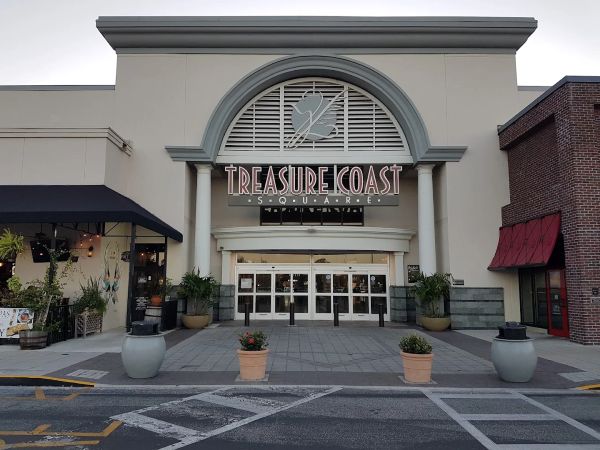
That is what is now happening with a supposed conversion of the Treasure Coast Mall based on a study that was commissioned in 2023, but the idea was conceived in late 2021 when another company owned the mall and after Amazon and then Covid had decimated retail throughout the country.
If you go back to that time, the Treasure Coast Mall looked like many other enclosed malls in the country. Empty stores, and an owner, Edward J. DeBartolo Corporation, who had developed and built the mall but after that had not done much to improve or manage its investment. By the late 2010s, the company changed its strategy and became DeBartolo Development specializing in multi-family and hospitality.
Martin County has always collected tax money from the Treasure Coast Mall. Property, Use, and Sales taxes from the property are very important to the county. As the county continued to see a decline in revenue and a mall that was looking shabby to say the least, they took the initiative to see what else could be done.
Economic and viability studies are done all the time. It is only prudent to see what the next iteration of such a site could be, and DeBartolo had started to go in a different direction from malls. In many locations, enclosed malls were evolving to be more like downtowns. Some had experimented with less retail, building apartments, and even having schools.
 At the time all of this was going on, Doug Smith was the district commissioner for Jensen Beach. Smith was a visionary and thought of himself as a city planner extraordinaire. He wanted a study that was a “WOW.” The study that was done by the Treasure Coast Planning Council was a “WOW.”
It was very detailed. It was urban planning at its best. It would have been worthy of a city like West Palm Beach or Miami. (You can see the entire study here
The cost of the study was $115,500. The contract was in the form of an Inter-Local Agreement because it involves two governments. Its approval was fully transparent.
At the commission meeting on February 21, 2023, the topic was brought up at the end of the meeting by Administrator Donaldson. He explained why it was being requested and that the money would come from District 1 MSTU funds. At first, the contract price was not mentioned. Donaldson called the study preemptive scoping.
He also said that staff did not have the time to do it given everything else on their plates. It wasn’t until Commissioner Heard brought up the cost that the price was mentioned. She did not think spending taxpayer dollars was worth it, even MSTU district funds.
To spend MSTU funds the Comptroller, Carolyn Timmann, needed to sign off. She was not signing off on whether the funds spent were being spent wisely only that they can legally be spent on the project under the statute. It was a legal expenditure. Commissioners usually do not give commissioners a difficult time when they request use of their district funds.
In this case Heard was not in favor. She was the dissenting vote against the expenditure. The vote was 4-1 in favor. You can listen to the discussion and the vote that occurred at the meeting of February 21, 2023, beginning at 2 hours and 11 minutes.
Years have passed since things looked so grim for the mall to remain 100% retail. In the intervening years, a new owner, Simon Property Group, bought and manages the mall. While long-time prospects for retail are not good, Simon has brought new tenants and kept old ones. For now, at least the tax cow for the county seems secure.

The biggest change is that Doug Smith is no longer the commissioner for District 1. Eileen Vargas, who now is the commissioner, fought hard not to pay the bill from district funds. Unfortunately, who the commissioner is now doesn’t matter because the money was originally allocated from those funds.
The county should have someone who is always doing economic studies on staff. A study like this should have been done in a much shorter time and it didn’t have to be so detailed. The facts changed but the original work went on.
The real sin is to stir the pot without context. No one at the county believes today that half the mall will be knocked down or that apartments will be built. The owner of the property is very happy with the property as it is.
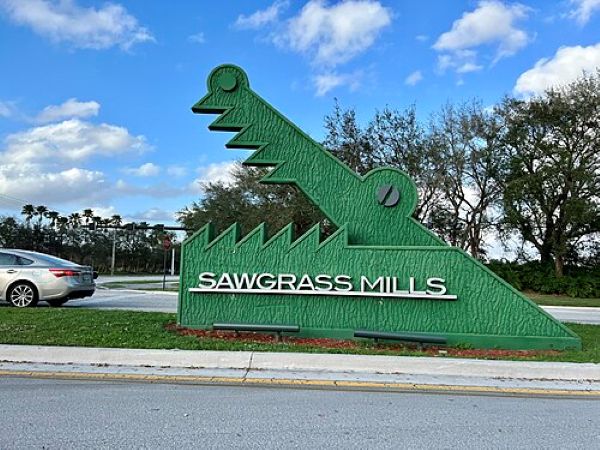
Nothing for the time being is happening at The Treasure Coast Mall. So, I urge news outlets to stop asking employees about how it feels to lose their jobs. Macy’s is not closing, and I understand there is about to be extensive renovation of the store.
Martin County needs to get a grip and stop panicking anytime there is talk of change. Especially change that is not about to happen.
By the time you read this, we will be long past Memorial Day. Yet I am writing this column on that day.
 I am in Connecticut for Memorial Day weekend. There are several parades in my town with each community hosting one. There is also a community band concert after one of the parades. On Saturday there was a day long “Town Party” that is free, but you needed to register ahead of time because of resident demand. Each of the veterans’ associations have programs.
Memorial Day is the kickoff of the summer season in this part of the country. While we in Florida have yearlong “good weather,” it is not the case in much of the country. It may be the start of the summer here though the thermostat reads 57 degrees, and it is raining. It has been doing so all weekend.
Does that in any way diminish what the day stands for? Of course not. Whether in Stuart or Greenwich, it is still about recognizing those that gave their lives in defense of the nation. That number would include the 13 service members that have died so far in Iran.
The first Memorial Day was organized by Union Troops and formerly enslaved African Americans in Charleston, South Carolina. It was held on May 1st, 1865, with a parade and the proper internment of Union soldiers who had died as prisoners of war. The first official national observance was on May 30th, 1868, at Arlington Cemetery where participants decorated the graves of both Union and Confederate soldiers.

It was known as Decoration Day and didn’t officially become Memorial Day until 1967. As school kids, we celebrated it on May 30th. Congress moved the holiday to the 4th Monday in May in 1968.

It makes no difference what you call the day or whether you have parades, place flags on graves, hold solemn ceremonies, or listen to John Philip Sousa marches. It is a day to honor those who fell in defense of our nation. I like to think it is more than just that though. Rather it is the day to support intrinsic and sacred American ideals which are different from just jingoistic nationalism. Sometimes many of us forget that.
There is beginning to be a backlash from consumers against self-checkout.
I know some people like it and consider it convenient. I don’t. Why should the customer have to scan their own items, pay, and bag them while some incessant unhuman sounding voice is screaming instructions like “place the scanned item in your bag.”
For me, the most annoying part is trying to find codes for the fruits and vegetables you want to buy at Publix and then weighing them. I often think I should just put the code in for the cheapest product and if stopped say I made a mistake. But the way things are going, who will be there to stop my coding errors?

We are all so worried about AI taking away jobs, but isn’t that what self-checkout is already doing today? There is no expensive new technology needed. How many people are being put out of jobs by the customer performing what was once a human being’s job.
I see no benefit except to the corporation. It isn’t as if they give the customer a discount for using the technology. If you are acting as their employee, shouldn’t they give you a 5% discount? At about half the places you shop or eat at now they charge you for using a credit card.
Most of what we now see are corporations pushing forward with increasing their profits by reducing labor costs. What is in it for the consumer and how about the employees? Let me add it is bad customer relations too.
Most unskilled workers are being marginalized. Americans began seeing the start of this trend decades ago when factory workers were let go here and their jobs sent abroad. This just is a continuation in the name of increasing the bottom line.

Is there something more that corporations owe society than economic efficiency? Maybe there isn’t. Then if not, does it then fall on the government to find a place for workers that have been deemed surplus?
The government is nothing more than all of us. Then as a society, will we have to spend more funds on the care of people who were at one time employable but are no longer so in today’s economy? Taxes will have to be increased to absorb this added expense. Or in the Darwinian evolutionary world some of us would have Americans occupy, should they just starve and allow corporations to keep the profits from this windfall.
There are many things we should do. One of them is to make sure everyone has a better skill set so they are more employable now and in the future. That may be easier said than done.
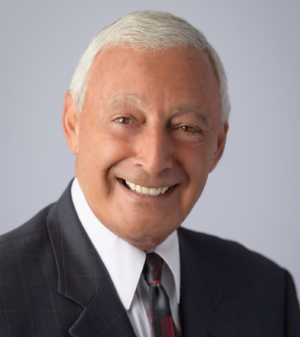
By Joe Catrambone CEO Stuart Martin County Chamber of Commerce
C-PAC is an organization that helps the business community—and Martin County at large—by fighting for good governance and policies that reduce taxes, enhance the economic climate and protect the local environment.
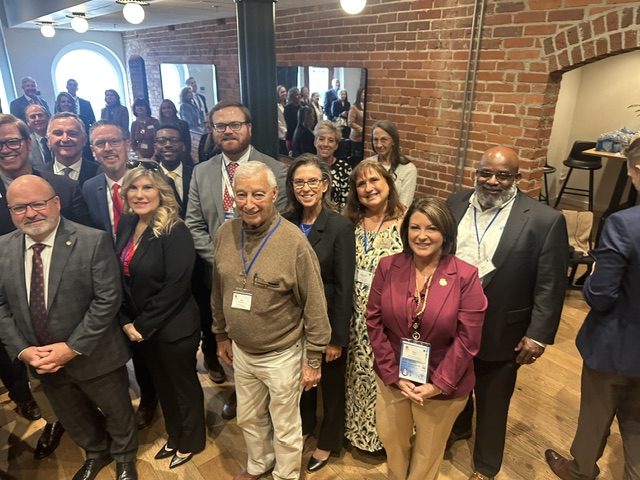
C-PAC is supported exclusively by individual donors in compliance with elections regulations. It works to ensure that Martin County’s business community has a voice in local elections. Lately, C-PAC has come under fire for exercising that voice.
For some time, we chose not to engage when a sitting member of the Stuart City Commission continually leveled attacks and accusations over social media at the Martin County business community, oftentimes specifically mentioning individual businesses, stakeholders, and even the chamber directly.
Now, C-PAC is bringing to light the poor condition of the city under the leadership of that individual who is currently running for Martin County Commission District 2.
His actions at the City of Stuart included:
- Suspending the rights of Stuart property owners for more than nine months
- Violating the City’s comprehensive growth management plan by making changes to the City’s land development regulations without following proper procedure
- Revoking the existing property rights of East Stuart residents and subjecting them to costly public hearings and uncertain outcomes
- Pursuing costly litigation against a local businessowner, even after losing the initial hearings
- Presiding over the firing, without cause, of Mike Mortell, who served the city faithfully for over 20 years as commissioner, attorney and manager
- Presiding over the resignation of the award-winning, 30-year finance director, who publicly alleged that he was asked to do “illegal, immoral and unethical” things and refused.
Like many residents, we watched city meetings in shock as a commissioner regularly interrupted and argued with members of the community during their designated public comment.
Now that he’s a candidate for the county commission, he recently attacked one of the Chamber’s top staff members, attempting to damage her reputation. In signs of a coordinated attack, an anonymous social media page supporting him escalated matters, posting smears aimed at her perceived ethnicity and religion.
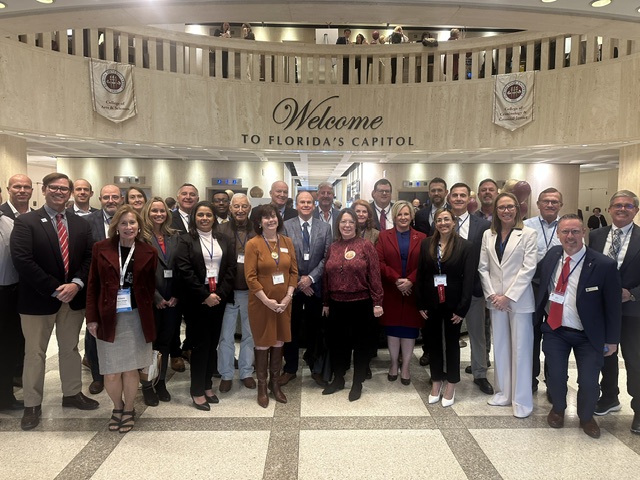
Let us clearly state, we denounce any attacks based on a person’s religion or ethnicity. Through C-PAC, we’re standing up against this despicable behavior.
Thanks to donors, C-PAC will fight to support honest leaders who care about local businesses, and defeat those meaning harm.
More About C-PAC
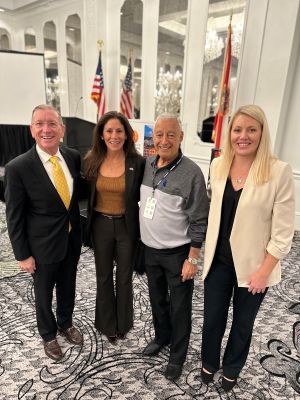 For decades, C-PAC has supported candidates, elected leaders, and public policies that protect and enhance the unique quality of life that makes Martin County one of Florida’s most desirable places to live, work, and do business.
Through thoughtful advocacy and community leadership, C-PAC and the Chamber have championed initiatives that strengthen our economy, preserve our environment, and invest in our future, including, among others:
- Supporting the construction of the Veterans Memorial Bridge
- Advocating for the approval and opening of the one-of-a-kind U.S. Customs Facility at Witham Field, expanding international business opportunities
- Fighting to stop harmful Lake Okeechobee discharges and protect our waterways
- Supporting the Martin County Forever referendum as a tool to preserve environmentally sensitive lands for future generations
- Advocating for the prioritization of critical Florida Department of Transportation infrastructure projects that improve mobility and support economic growth
- Supporting funding for youth programs, education initiatives, and workforce development efforts that build a stronger talent pipeline
- Promoting septic-to-sewer conversion solutions that improve water quality while minimizing financial impacts on homeowners
C-PAC is committed to supporting preserving the Martin County difference—a community where economic prosperity, environmental stewardship, and exceptional quality of life work hand in hand. Together, we can continue to shape a future that reflects the values, priorities, and vision of the businesses and residents who call Martin County home.
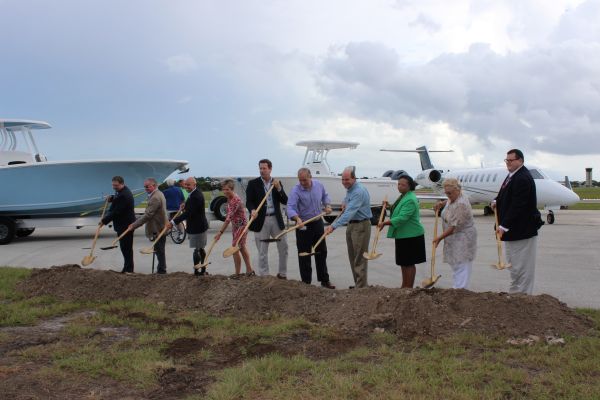
To follow the efforts of C-PAC, please like the C-PAC Facebook page, follow along and share.
Joe Catrambone’s opinions are his own and may not reflect Friends & Neighbors viewpoint.
One of the most important aspects of positive youth development is creating environments where young people feel safe enough to be themselves, confident enough to try new things, and supported enough to learn from their mistakes. While every parent, teacher, coach, and youth leader wants to see young people succeed, real growth often happens when youth are given the opportunity to struggle, adapt, and persevere through challenges.
Today's young people face tremendous pressure to be perfect. Whether it comes from academics, athletics, social media, or peer expectations, many youth feel that making mistakes is something to avoid at all costs. Unfortunately, when failure is viewed as something negative, young people can become hesitant to take risks, try new activities, or step outside their comfort zones.
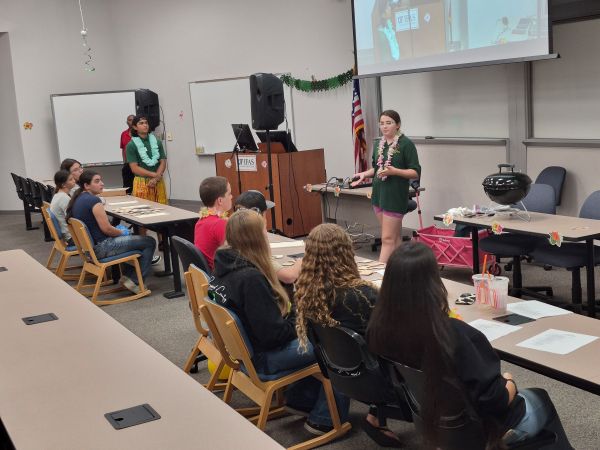
Positive youth development takes a different approach. Instead of focusing solely on outcomes, it emphasizes growth, learning, and resilience. In a positive youth development environment, mistakes are not viewed as the end of the story. Rather, they are opportunities to gain experience, develop problem-solving skills, and build confidence. When youth know they will be supported even when things do not go as planned, they become more willing to explore their interests, tackle difficult challenges, and discover their potential.
One way to encourage positive youth development is by focusing praise on effort, persistence, and learning rather than simply on results. When a young person receives a disappointing grade, loses a competition, or encounters a setback, parents can ask questions such as, "What did you learn?" or "What would you do differently next time?" These conversations help youth see challenges as opportunities for growth rather than evidence of failure.
It is also important for parents to allow young people to experience age-appropriate challenges and responsibilities. While it can be tempting to solve problems for our children, allowing them to work through difficulties helps build independence and confidence. Knowing that a trusted adult is available to provide guidance and encouragement creates a safety net while still allowing youth to develop important life skills.
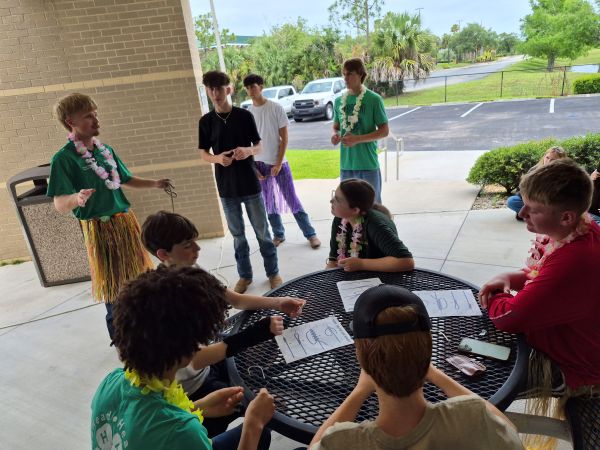
This philosophy is at the heart of the 4-H experience. In 4-H, young people are encouraged to try new things, develop leadership skills, participate in projects, and take on challenges that may initially seem intimidating. Whether they are giving their first speech, exhibiting an animal, competing in contests, serving as club officers, or leading community service projects, youth are supported by caring volunteers and staff who understand that growth comes through experience.
In 4-H, success is certainly celebrated, but learning is valued just as highly. We create spaces where youth know they belong, where their voices matter, and where mistakes are viewed as steppingstones rather than stumbling blocks. By providing encouragement, mentorship, and opportunities to learn through doing, 4-H helps young people develop the confidence and resilience they need to succeed not only today, but throughout their lives.
When parents, families, and youth organizations work together to create environments built on support, belonging, and growth, young people gain more than skills and knowledge; they gain the confidence to become capable, caring, and resilient adults.
David Hafner’s opinions are his own and may not reflect Friends & Neighbors viewpoint.
Animal shelters and rescue organizations share a common mission: to protect and improve the lives of animals in need. When these two entities work in partnership, the impact on animal welfare can be transformative. Collaboration between shelters and rescues not only increases the number of animals saved but also improves the quality of care and outcomes for each individual animal.
The Humane Society of the Treasure Coast partners with more than 40 rescue groups located throughout South Florida and the Southeast. Every year, hundreds of animals are transferred to our rescue partners. In exchange, we take in animals from rescues that may be in danger of being euthanized. We also support rescues through low cost or free spay/neuter services which enables them to save more lives.
One of the most important benefits of these relationships is the ability to expand capacity. Shelters, in general, often face limited space and resources. And this year in particular we have really leaned on our partners as we renovate our facility to improve the living spaces for the animals in our care.
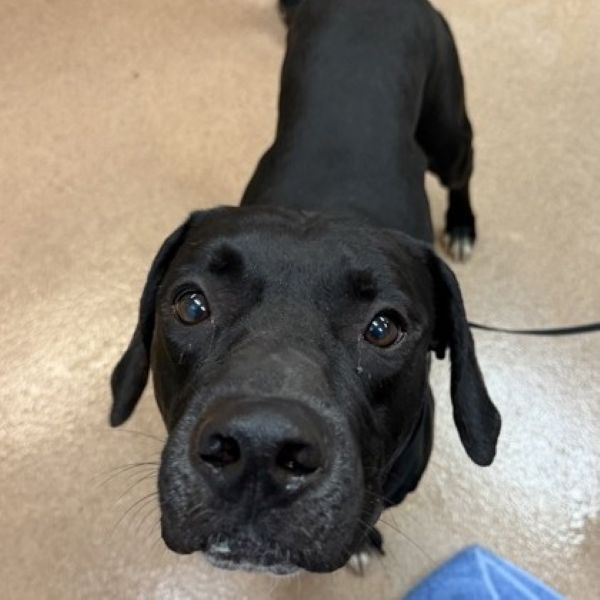
Rescue organizations also frequently have specialized expertise that complements the work of shelters. For example, some rescues focus on specific breeds. By teaming up, shelters can ensure that animals with unique challenges receive the targeted support they require. This not only improves adoption outcomes but also increases the network of organizations committed to the compassionate care of animals.
Another key advantage lies in resource and data sharing. Animal care can be costly, involving veterinary treatments, food, staffing, and facility maintenance. Through these alliances, shelters and rescues can pool resources, share knowledge, and coordinate efforts to reduce duplication and inefficiencies.
As our communities' needs have grown and changed, we’re proud to offer medical treatments and surgeries beyond spays and neuters. And very soon we will have the addition of a digital Xray machine onsite thanks to the generosity of Impact100 Martin.
For animals in need of emergency services, we collect donations through our Emergency Medical Fund to support their care at partnering clinics. Many of these animals then recover with our fosters while waiting to find their forever homes.
Public engagement and community outreach also benefit from our affiliation with rescue organizations. Joint adoption events, awareness campaigns, and fundraising initiatives can reach a wider audience than either organization could achieve alone. This increased visibility helps educate the public about the sheer volume of homeless animals, the importance of spaying and neutering, and the value of adopting rather than purchasing pets.

By working together, we can save more lives, provide better care, and create lasting positive change within our communities. Collaboration is not just beneficial; it is a critical component of a humane and effective animal care system. Our relationships are vital to our commitment to maintaining a no-kill shelter, and we invite all rescue groups in our area to join us in this effort!
Frank Valente's opinions are his own and may not reflect Friends & Neighbors viewpoint.
Summer has a different rhythm. The days stretch a little longer. Schedules loosen. Families travel. Children laugh outside until dusk. Even life in the church seems to breathe a little deeper.
And maybe that is exactly why summer can become a holy invitation.
In Scripture, Sabbath was never simply about taking a day off. Sabbath was God’s reminder that life is more than production, deadlines, and constant activity. It was a gift—a sacred pause that reminded people who they were and whose they were.
“Be still, and know that I am God.” — Psalm 46:10
The truth is, many of us have forgotten how to rest. We know how to stay busy. We know how to fill calendars and answer notifications. We know how to hurry from one thing to the next. But true rest—the kind that renews the soul—often feels unfamiliar.
Summer gives us a chance to rediscover it.

Recently, I experienced a small reminder of this during a golf vacation. Like many people, I can easily turn even recreation into another form of striving—trying to improve, compete, or maximize every moment. But somewhere between early tee times, long conversations, quiet drives through beautiful courses, and simply being outdoors, I was reminded how restorative it is to slow down.
There is something deeply spiritual about stepping away from the constant noise for a little while. Walking a fairway, noticing the beauty of creation, laughing with friends, and being fully present in the moment can become its own kind of Sabbath. Not because golf itself is sacred, but because moments of rest and renewal help reconnect us to the God who created us.
Jesus understood the importance of rest. Again and again throughout the Gospels, He stepped away from the crowds to pray, breathe, and reconnect with the Father. If Jesus needed moments of quiet and renewal, perhaps we do too.
Summer reminds us that not every season is meant for frantic striving. Some seasons are meant for planting deeply, breathing fully, and trusting God enough to slow down.
Sabbath is not laziness. It is trust.
It is the quiet confidence that God is still at work even when we stop working for a moment. It is choosing presence over pressure. Grace over exhaustion. Renewal over endless activity.
As summer unfolds, perhaps God is inviting us into more than vacations and cookouts. Perhaps He is inviting us into rest for our souls.
So take the walk. Sit by the water. Play the round of golf. Watch the sunset. Read the devotion slowly. Pray without rushing. Worship with gratitude. Let summer become more than a change in weather—let it become a reminder that God created us not only to work, but also to rest in Him.
And maybe in that sacred slowing down, we will hear God’s voice a little more clearly once again.
Chad Fair's opinions are his own and may not reflect Friends & Neighbors viewpoint.
I was watching CBS Sunday Morning recently when a segment about something called the Human Library immediately grabbed my attention. The concept is exactly what it sounds like.
Instead of checking out books, people “check out” human beings for conversations that typically last about 30 minutes. Founded more than 25 years ago in Copenhagen, Denmark, the Human Library now operates in more than 80 countries through events hosted at libraries, museums, festivals, universities and community spaces around the world.
The goal is simple: replace assumptions with conversations.
The “human books” are volunteers willing to openly share parts of their lives and experiences that are often misunderstood by others. Readers are encouraged to ask respectful questions they might otherwise never feel comfortable asking.
Imagine sitting down for half an hour with:
- a military veteran
- someone living with a mental health challenge
- a local farmer
- a caregiver for an aging parent
- a recent immigrant building a new life
- a cancer survivor
Not to debate them. Not to persuade them. Not to prove a point. Just to listen. And the more I thought about it, the more timely the idea felt.
Maybe it resonated with me because of the work I do. In communications, we're constantly thinking about how to connect with people from different backgrounds, experiences and perspectives. The challenge isn't simply crafting a message. It's understanding the audience receiving it.
The Human Library flips that equation. Instead of focusing on what we want to say, it encourages us to focus on what we might learn by listening.
Today, many of us believe we know people because we've seen fragments of their lives online. A social media post. A headline. A comment section. A meme. An opinion. Algorithms quietly feed us more of what we already agree with and, too often, reinforce assumptions about people we've never actually met.
We increasingly encounter one another as categories instead of human beings. The Human Library turns that upside down. It asks people to slow down long enough to have a real conversation with someone they may have otherwise reduced to a label. And often, what they discover is complexity, vulnerability, humor, resilience and humanity that simply cannot come through on a screen.
What struck me most is that the Human Library isn't built around persuasion. The point isn’t to change someone's politics, religion or worldview. It's simply to create understanding through conversation, something that feels increasingly rare in a culture where so much interaction happens through keyboards and comment threads.
Books have always allowed readers to step into someone else's life for a little while. The Human Library simply removes the paper.
And the more I think about it, the more I wonder what might happen if we created something similar right here in Martin County. What might happen if strangers sat down together for thirty minutes not to persuade one another, but simply to understand one another a little better? Maybe we'd discover we have more in common than we think.
Maybe Martin County needs a Human Library. What are your thoughts? Email me at stacy@fireflyforyou.com.

Stacy Weller Ranieri's opinions are her own and may not reflect Friends & Neighbors viewpoint.

District MSTU funds are collected from the unincorporated taxpayers in each commission district. The money cannot be spent within any municipality’s borders. Municipal residents do not pay for district MSTU funds.
Keeping that in mind, statute allows having these special funds, and in Martin County there are no other restrictions. In other counties, they have further guidelines, and, in some counties, there are citizen committees with oversight over the funds. In Martin, the Comptroller makes sure that the funds being requested by the commissioner are not in violation of statute.
Without further oversight, Martin County has very little in the way of guidelines about the spending of the funds. This leads to having the commissioner from the district deciding what and how those taxes are spent. And there is wide variation in the commissioners’ decisions about what to spend the money on.
There recently came to light an extensive study that was done by the Treasure Coast Planning Council about the future of the Treasure Coast Mall in Jensen Beach. The $115,000 for the study was authorized by Commissioner Smith from his district funds. Even though Commissioner Smith is no longer there, Commissioner Vargas, who now occupies that seat, is responsible for the disbursement of District One funds. MCTA would not have wanted to pay for the study if we were she, but the funds had already been committed.
Yet a pet project by Vargas is at the Sand Dune Café. For the period of 2025 and YTD 2026, she has spent over $63,000 on design fees. Again, those fees and the other pet projects of every commissioner were spent in accordance with statute and overseen by the Comptroller. MCTA’s concern is whether that is the best use of those funds.
At the very least, if District MSTUs are going to continue, then more stringent guidelines need to be invoked. Should things like infrastructure be included? For example in 2023, $200,000 was spent in Palm City on Palm City Park Place Park Improvements even though that project was part of the CRA which oversaw and spent CRA funds on the project as well as other county money and grants.
Though the entire commission approves the expenditures from district funds, we don’t ever remember any expenditure not being approved by the commission. MCTA believes that more guidelines and even an independent community member board should be established that would also have to approve district funds.
If there is a change in the real estate tax system as it is currently, every tax dollar will be needed to have basic services. It would seem foolish to build new parks, for example with district funds if the county is forced to slash the maintenance of existing ones. In that case, perhaps District MSTUs should be the first casualty of the new austerity imposed by Florida taxpayers.
Here are the district MSTUs from 2023 through 2026.
MCTA's opinions are his own and may not reflect Friends & Neighbors viewpoint.
Martin County voters are about to make an important decision about the future direction of our community.
In recent weeks, former Stuart Mayor and Commissioner Chris Collins resigned his city seat to run for the District 2 County Commissioner seat this coming August. While every candidate deserves an opportunity to present their vision, voters should carefully examine what Collins’ vision is - expressed, or not at all. Politics, and the effective leadership of our communities, require vision and the most capable leaders we can find or who volunteer who can carry it out and make positive change(s). Saying ‘No’ to anything and everything growth-oriented or involving new jobs, an expanded tax base, or providing more resources to communities and taxpayers accomplishes NOTHING. Berating your opponents and neighbors publicly who possibly become your constituents you need to serve running for any public office is simply in poor taste and demonstrative of a very petty small-minded candidate and personality.
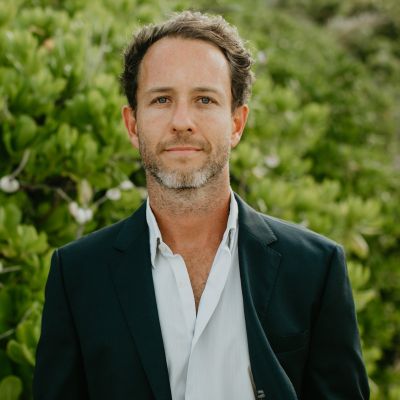 From my perspective, much of Collins' political career has been built around opposition rather than any real solutions or ideas for governance.
Whether discussing residential development, business expansion, workforce housing, economic development initiatives, or infrastructure investments, the answer often seems to always be the same for Chris Collins: No.
No growth.
No economic development or incentives.
No new development.
No expansion.
No changes.
While that message appeals to some residents frustrated by traffic and rapid growth throughout all of Florida, it ignores an important reality: Martin County cannot preserve its future simply by opposing it.
Today, the Martin County Commission is grappling with some of the most significant issues facing our community within all its history. Commissioners are balancing economic growth with environmental protection while putting taxpayers first and foremost. They are addressing public safety costs that continue to rise as the population grows, which is a good thing. They are investing in water quality projects, lagoon restoration, flood mitigation, and infrastructure improvements. They are evaluating industrial and business park expansions that could bring better-paying jobs to help diversify and expand our overall tax base.
These are not easy decisions anywhere, or for just anyone to make, who’s elected to public office.
Yet, rather than offering comprehensive solutions or ideas, Chris Collins appears focused primarily on criticizing sitting Commissioner of District 2 Stacey Hetherington and her donors who’ve created more jobs in Martin County than Collins and his small business have ever dreamed of creating himself? Now, he’s turning his attention on attacking many others as corrupt, immoral, or incompetent along with the Chamber of Commerce / leadership as his latest targets for all their decisions that seem to have left Martin County pretty well-managed and fiscally sound while still remaining competitive? No new ideas from Chris Collins – just attacks and criticism with a retracting mindset. Chris, let’s look at what YOU, along with your handpicked City Commissioners Laura Giobbi and Sean Reed, intentionally left us with as a brief Stuart City Commissioner & Mayor (quitter) who should be serving those who elected you? Collins left us with a designed rubber stamp say ‘No’ commission of three, chaos we didn’t have before, legal costs unnecessarily put upon Stuart taxpayers, and more retail vacancies and less overall business for Stuart and Martin County? You think you now deserve a bigger platform to lead?
Campaigning is easy. Leadership is much harder and requires talent and expertise. Collins has not proven or demonstrated either of these attributes and as he resigned his last publicly-elected role to run for higher office before doing anything worthwhile and proving himself as a Stuart City Commissioner?
Real leadership requires more than just identifying problems. It requires presenting ideas, building consensus, making difficult decisions, and accepting responsibility for any outcomes. Again – leadership, Chris.
 Martin County will need leaders willing to answer these difficult questions we all face together:
1. How do we support local businesses while reasonably protecting our overall environment?
2. How do we provide affordable workforce housing for teachers, nurses, firefighters, deputies, tradespeople, and young professionals?
3. How do we improve our infrastructure without placing excessive burdens upon taxpayers?
4. How do we preserve our quality of life while ensuring future generations can, and will want to, afford to live and work in Stuart, Indiantown, and all of Martin County?
Simply saying "No" to any growth or expansion of anything is not a governing strategy or public policy (nor leadership). It’s a lazy approach to seeking attention to get elected without doing the hard work or even being qualified to do it -
The reality is responsible economic development can strengthen Martin County – whether Chris Collins and his supporters believe it or not. Expanding quality employers can reduce commuter traffic. Diversifying the tax base can reduce pressure on residential property owners. Strategic planning can protect green space while accommodating reasonable growth. Wanting to become smaller and less engaged and connected to the real world is no real strategy for any community today.
Most residents do not want unchecked development. Neither do they want a community that becomes so restrictive that businesses, employers, young families, and future investment look elsewhere.
The choice before voters is larger than just this election.
It is a choice between a vision focused primarily on opposition and a vision focused on solving problems. Between criticism and leadership. Between preserving Martin County through thoughtful planning or attempting to preserve it by resisting nearly every change.
As voters evaluate candidates over the coming months, they should ask a simple question:
Beyond what you're just against, what are you actually for or support beyond nothing new or no new growth?
The answer may tell us everything we need to know about who is prepared to lead Martin County into the future.
Andy Noble’s opinions are his own and may not reflect Friends & Neighbors viewpoint.
“All good faith yields to…perfidy!….it is too much to endure all the sorrows their malice can devise against us.”
Alceste, The Misanthrope, Molière
Everyone gets up in the morning wanting to have a nice day. Somehow, this is not always true, nor is it always possible. Having a nice day or a good life actually takes a lot of work. Bad weather, historical moments, and mean, duplicitous people always seem to interfere with our plans, and so we teach our children our secrets for negotiating those things that prevent us from accomplishments and satisfactions in our day-to-day lives. I speak of the art of interpersonal skills.

Interpersonal skills are the intuitions, emotional intelligence, and the verbal algorithms we use to negotiate everyday life with each other. These skills are learned in the cultural and biological substrate we are accidentally born into. A hardscrabble upbringing will result in different intuitions and solutions than would a silver spoon. Good nutrition and the absence of environmental toxins have also been scientifically associated with better mental health. The cold reality is that we must all play the hand we are dealt by accidental circumstances. Modern life requires flexibility and the ability to cross-germinate between the many micro-cultures we oscillate between. We are always learning, and so I echo an old Spanish proverb, the devil is wiser because he is old than because he is the devil (más sabe el diablo por viejo, que por diablo). We should never refuse to learn new interpersonal skills throughout our lives, especially in the complicated world we live in. This is the first reason why the talk therapies matter.
There are varieties of introductions patients bring to a psychiatric evaluation. Some begin by stating a presumed diagnosis and the predetermined treatment, assuming the interaction to be an order at the counter for a short order cook. Others struggle to put words to an amorphous and wordless distress; this could be depression, anxiety, or any number of existential stressors. The role of the psychiatrist is not to guess or put words into a patient’s mouth, nor to diagnose on the fly and immediately dispense a pill, but were it so simple to blithely launch a pill from a pharmacology cookbook. The biology of mental illnesses is not the hardest part of diagnosis and treatment. The hardest part of psychiatric practice is actually exercising diagnostic and treatment restraint when patients expect immediate understanding of the problem and bulls eye medication treatment.

The intangible problems for which many seek treatment are not usually responsive to biological interventions. The largest real world study on the efficacy of antidepressants was the 2006 STAR*D study which reported a response rate of 47% and remission rate of 37% for a first trial of the antidepressant citalopram. Every successive trial of different types of antidepressants resulted in diminishing success. Multiple other medication studies from reputable institutions reported response rates of no more than 50% with placebo response as high as 30%.
Would anyone tolerate these rates of efficacy for antihypertensives, antibiotics, or surgical procedures? And yet, this is the reality of medication treatments for many psychiatric conditions. What more can a psychiatrist offer besides successive waves of medication trials and the stacking of multiple medications like the fable of stone soup? Newer treatments for treatment resistant depression are usually given to those who have failed to respond to traditional antidepressants. These treatments include electroconvulsive therapy(ECT), transcranial magnetic stimulation (TMS), and ketamine or esketamine therapy. ECT offers the best response rate for severe depression between 80% to 90%. There are numerous proprietary technologies and treatment protocols for TMS, so reported response and remission rates range between similar to antidepressant medications and as high as 83%, depending on the diagnostic selection criteria. The reasons have to do with the incomplete diagnoses and mismatching an incorrect treatment to the presumed problem. Not all sadness is depression. Not all rage is bipolar disorder. Not all paranoia is irrational. So what are these misidentified mental health vulnerabilities?
The elephant in the room is personality disorders. Very few people seek out psychiatric treatment because they acknowledge interpersonal dysfunction, though most people benefit from an honest introspection and review of their interpersonal skills. This is the other reason why the talk therapies matter. It takes time and clinical acumen to correctly identify personality disorders, and the treatments are not biological. The treatment of personality disorders resembles life coaching. An individual must first accept the interpersonal dysfunction and then embark on learning new interpersonal skills. Medications address biologically driven mood and thought disorders, but the pills are the easy part. Medications do not address underlying personality disorders. The first conversation may begin with a simple query, do you succumb to your inner child or your inner troglodyte? The talk therapies require far greater time and effort to effect meaningful changes in quality of life.
Dr. Louis Velazquez’s opinions are his own and may not reflect Friends & Neighbors viewpoint.
For many families, after-school and summer programs are more than enrichment—they are essential support systems that help children learn, grow, and thrive.
For one local mother, Berenise, Helping People Succeed has been a steady source of support for her three children, Cristian, Andrea, and Sara, since her oldest began kindergarten. Today, her older children are in middle school, and we have walked alongside her family as they have grown. She reflects on the lasting impact the program has had on their lives.
“I want to express my heartfelt gratitude for you and your team,” she shared. “You have made a positive impact on their lives, and your hard work has not gone unnoticed.”
Our programs provide more than homework help. They offer consistency, caring relationships, and a safe space where children are encouraged to succeed academically and socially. For Berenise, that support became especially meaningful during one of the most difficult times in her life—while she underwent chemotherapy.
“Your team's commitment to helping my children with their homework has been invaluable,” she shared. “It was a weight lifted off my shoulders knowing I didn’t have to worry about their homework.”
That sense of relief is what families deserve when life becomes overwhelming.
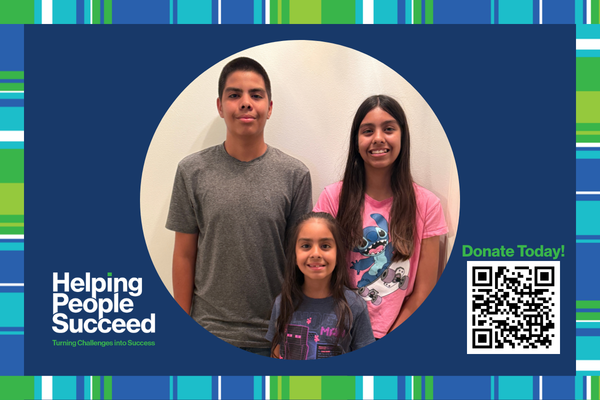
Our after-school and summer camp programs are especially meaningful for children with an IEP or 504 plan, offering a structured routine and individualized support throughout the summer months. We help them build skills that shape how the children show up in school, at home, and in their communities.
“I’m also thankful for the social activities that are taught,” Berenise shared. “Watching them grow in their ability to communicate, collaborate, and connect with others is a gift that will help them through their lifetime.”
Every day, our staff create spaces where children feel supported, understood, and encouraged to reach their definition of success.
As the need for accessible, high-quality programming continues to grow across the Treasure Coast, Helping People Succeed remains committed to providing these services at no cost to families. With continued community support, we can expand our reach and serve even more children across the tri-county area.
Your support helps ensure that children receive academic guidance, emotional support, and enrichment experiences they need to thrive.
Help us turn challenges into success for children and families across the Treasure Coast.
Kara Stimpson's opinions are her own and may not reflect Friends & Neighbors viewpoint.
Election season is here. I suspect there will be lots of activity and all of us will be flooded with communication about the many candidates. Although election day is August 18, many of us will begin receiving vote-by-mail ballots in about a month. I urge everyone to try and obtain good factual information about candidates prior to voting. This means be careful what you believe if it is on social media. I still don’t understand why people use it, but I know they do and I know it will be filled with all kinds of misinformation.
 If you have read some articles of mine over the last 18 months you know that I was born and raised in Stuart. Moved away for college and career and returned as so many of us do. It’s been great reconnecting with Friends in town and enjoying this wonderful place called Stuart. I have been getting more involved in the community over time including serving on some of the advisory boards for the City of Stuart. I will be working to help elect and re-elect some people I feel will best guide the City of Stuart going forward and I would like to share that view here.
I have been to many commission meetings and board meetings. I’ve volunteered in several capacities. My intent is that you receive this as the view of an ordinary citizen who has put lots of effort into educating themself about how the city works, what kind of talent or skill is necessary to be on the commission, and who will best serve our common interests. What we are looking for, as I have said previously, are good decision makers. It is an easy ask, but not many people can actually do it.
There are three seats up for a vote on August 18. Group I, occupied currently by Campbell Rich, Group IV, currently occupied by Eula Clarke, and Group III which is now vacant. I am supporting the re-election of both Campbell Rich and Eula Clarke. And to fill the Group III seat, I am supporting former Mayor, Merritt Matheson. Let me take these one at a time.
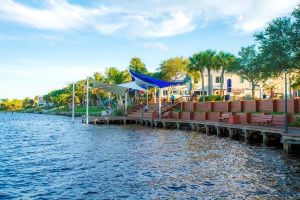 I mean no offense to any other commissioners or anyone else, but I would argue that Campbell is the smartest person in city hall. He takes the job ultra seriously. I don’t think anyone does the homework which he does for the items coming to the board. He puts in a lot of time with stakeholder organizations, both local and at state level. Anyone watching and listening to his comments during commission meetings knows he is very thoughtful. He has done the homework. I would guess he has gotten better at this over time and he is in his prime in terms of being able to best contribute to the direction of the city. He is an excellent decision maker (I don’t always agree with him) and has earned my support.
Eula Clarke is a long time family Friend of mine and has served multiple terms on the commission. I have participated in community events with her and I don’t think many folks care about Stuart more than she does. She has history and experience on her side. She has a unique communication style which some might describe as a bit long winded, but she will make her point and it will come with passion. Eula also brings good balance to the commission. That’s why I am supporting her. She is smart, even keeled and makes good decisions.
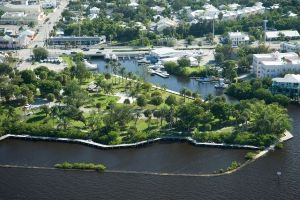 Many or all of you may be familiar with Merritt Matheson. He helped lead the creation of the latest conservation fund here in Martin County, including the City of Stuart. I have met with Merritt several times to discuss environmental issues including threats to our waterways. He has obviously spent a lot of time researching this topic and working hard on it. He knows this subject well and this will serve all of us well if he is elected. In addition, Merritt has served as city commissioner previously, even as Mayor. This kind of experience is badly needed on the commission currently. I might not agree with him on everything, but I think he will make good policy decisions.
I hope you find this view helpful. Regardless, if you plan to vote, please, please become informed first, to help us get the best leaders in place.
Clay Scherer's opinions are his own and may not reflect Friends & Neighbors viewpoint.
Each year, one of the most powerful examples of community collaboration takes place behind the scenes at United Way of Martin County — our Citizen Review Process.
Over the past several weeks, 30 dedicated volunteers from across Martin County came together to carefully review funding applications from local nonprofit programs seeking support through United Way’s Community Impact grants. These volunteers generously gave their time, expertise, and thoughtful consideration to help ensure donor dollars are invested where they can create the greatest impact for our community.
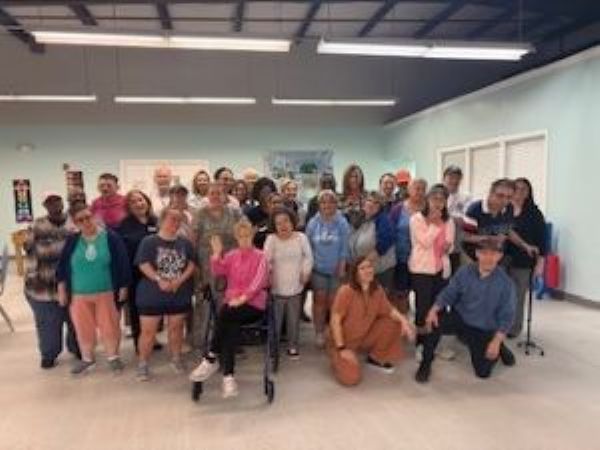
The Citizen Review Process is about much more than evaluating applications. It is a meaningful opportunity for community members to engage directly in shaping the future of Martin County. Volunteers reviewed program outcomes, financial stewardship, measurable impact, and the critical needs facing our neighbors each day. Through discussion, collaboration, and careful analysis, recommendations were made to help ensure funding decisions reflect both accountability and compassion.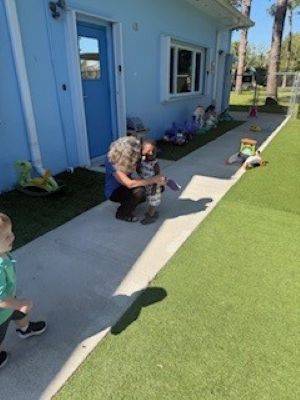
As a staff member, I read each of the applications submitted, and I am incredibly grateful for the volunteers who help guide this process. They have the difficult job of determining which programs are worthy of a United Way investment — not the staff. Their dedication, fairness, and commitment to our community are truly inspiring.
We are deeply thankful to every volunteer who participated in this important process. Their commitment to transparency and community impact helps strengthen the work being done across Martin County every single day.
Join Us for the Big Reveal!
Now comes the exciting part.
We invite our community partners, donors, volunteers, and friends to join us for the “Big Reveal,” where we will officially announce this year’s funded programs and celebrate the organizations making a difference throughout our community.
This special event, sponsored by Capstone IT Services and STS Aviation Group, is an opportunity to come together, recognize the incredible work of our nonprofit partners, and see firsthand how collective giving creates lasting change in Martin County.
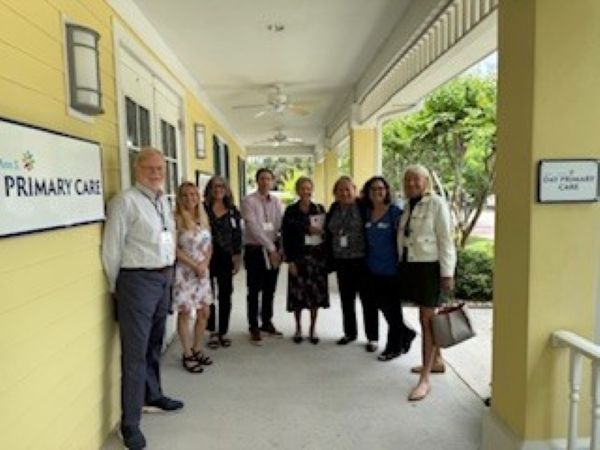
The event will take place on Friday, June 26, 2026, from 8:30 a.m. – 10:00 a.m. at the Council on Aging of Martin County, located at 900 SE Salerno Road in Stuart.
Whether you are a longtime supporter or simply passionate about strengthening our community, we hope you will join us as we celebrate another year of impact, collaboration, and hope.
To reserve your spot, please register here: Big Reveal Registration
Together, we are building a stronger Martin County for all.
Another Important Community Conversation in June
June is a busy month at United Way of Martin County!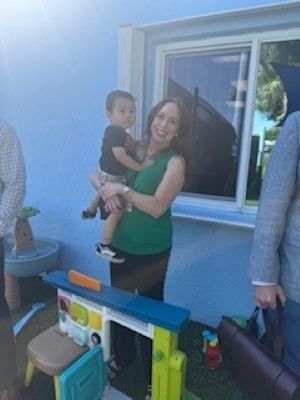
On June 24, 2026, from 11:30 a.m. – 1:00 p.m., our Community Conversation will focus on disaster preparedness. This free event, sponsored by Cleveland Clinic, will be held at Northern Trust, located at 2201 SE Kingswood Terrace, Stuart, FL 34996.
Join us to hear from leadership at Martin County Emergency Operations Center and local nonprofits about how our community works together during times of crisis and disaster.
To learn more about this event and other community initiatives, please visit United Way of Martin County Website or email chdiez@unitedwaymartin.org.
Carol Houwaart-Diez’s opinions are her own and may not reflect Friends & Neighbors viewpoint.
A warehouse store might seem like an odd topic for a food column. It isn't.
For years, people tried to explain the magic of Costco to me. “It’s not just a store…it’s an experience.” “You’ll understand once you get a membership.”
I’d never been one of those warehouse membership guys, so I assumed they were exaggerating. They weren’t.
When the first Costco on the Treasure Coast opened on Kanner Highway in Stuart in April 2025 it generated quite a buzz. Thousands of memberships were reportedly sold before the doors even opened, finally saving local residents from making the drive south to Palm Beach County for their Costco fix.
Now, as members ourselves, I get it.
 For anyone who’s never belonged to a warehouse club, Costco is basically a one-stop shopping universe. Yes, it’s known for food and beverages, but it’s also the kind of place where you walk in intending to buy chicken and coffee and wind up leaving with beach chairs, a TV, paper towels and enough batteries to survive hurricane season.
But since this is supposed to be a food column, I’ll try to stay in my lane.
The first thing you notice is the scale. Oversized carts, massive aisles and bulk packages stacked floor to ceiling. If you have a large family, the value is obvious. Buying meats, produce, snacks, drinks and household staples in bulk can save a lot of money over time. But even if you’re not feeding a small army, there are ways to make it work.
Stacy and I have developed a simple system with friends and family. If one of us buys the huge bag of grapes, the five-pound package of lamb chops or the giant sack of avocados, we split it. Everybody wins. Nobody ends up panic-making guacamole because twelve avocados ripened overnight.
One thing many people don’t realize is that Costco isn’t a copy-and-paste operation. With more than 640 warehouses across the country, stores tailor portions of their inventory to local lifestyles and demand. A South Florida Costco may carry more tropical produce, fresh seafood and outdoor entertaining items, while a warehouse in Colorado might lean more heavily into mountain living and winter recreation. That flexibility is part of what makes Costco fun. Even regular shoppers never quite know what they’ll discover around the next corner.
But the star of the show is the food. The bakery alone deserves its own zip code. Fresh muffins, oversized cookies, croissants, cakes, artisan breads and seasonal desserts are stacked everywhere you look. The produce section is equally impressive, offering everything from everyday fruits and vegetables to oversized party trays and seasonal specialties.
 Then there’s the meat department, which feels more like an upscale butcher shop than a warehouse store. USDA Prime beef is one of Costco’s biggest draws, with beautifully marbled ribeyes, New York strips, filet mignon and briskets large enough to feed an entire neighborhood barbecue. You’ll also find thick-cut pork chops, racks of lamb, fresh seafood, rotisserie chickens and giant packs of chicken ready for the grill. Whether you’re stocking the freezer or planning a cookout, the selection is consistently impressive.
And let’s not overlook one of Costco’s greatest traditions: the free samples. There’s something oddly joyful about strolling through the store discovering little bites of ravioli, smoked salmon or miniature desserts along the way. Some shoppers may or may not strategically time their visits around peak sample hours. I’m not naming names.
The wine selection is another pleasant surprise, with options for nearly every palate and budget. Wine lovers will tell you some of the best values in the industry can often be found on Costco shelves.
And finally, we arrive at Costco’s most legendary menu item and my personal favorite: the hot dog combo. For only $1.50, you get a quarter-pound all-beef hot dog and a drink. In a world where nearly everything costs more every year, Costco has somehow kept that price unchanged since 1985. Is it gourmet dining? Of course not.
Is it delicious after an hour wandering through a warehouse the size of a football field while convincing yourself you absolutely needed a 48-pack of paper towels? Absolutely.
At the end of the day, Costco isn’t really about buying more stuff. It’s about value, discovery, sharing giant bags of produce with friends and occasionally rewarding yourself with a hot dog that somehow still costs a buck fifty.
And if you happen to leave with beach chairs, a TV and enough paper goods to last until next hurricane season, well, that’s just part of the experience.
Brent Hanlon’s opinions are his own and may not reflect Friends & Neighbors viewpoint.
I’m grateful for the team we’ve assembled at the Business Development Board of Martin County. From our staff to our board of directors to our investors, partners and affiliates, we’ve got a broad but tight circle that understands how to execute our mission and is committed to achieving it.
We’re making major progress and couldn’t do it without their support.
 Economic development isn’t exactly intuitive—even for accomplished business professionals—it is both science and art. It’s easy to think of it in the same way most of us think about business promotion. In this example, the business owner has a service or product and needs to attract customers. So, he or she brands, markets and networks while refining skills, acquiring staff and maximizing customer service with the goal of steady and sustainable growth.
Every economy needs steady, sustainable growth. But how we get there is where economic development strategy makes all the difference. That’s why we play to our strengths. That’s why the BDBMC leans into the local marine, aviation and advanced manufacturing sectors.
These legacy industries already account for a lot of innovation, employment and expansion opportunities. For one, a significant portion of companies in these industries can be described as “contributory businesses,” which is a fancy economic term for businesses that drive local economic growth by selling the majority of their goods and services outside the local market, and essentially importing outside money into the area.
 Their products and services inject fresh capital into our marketplace and enlarge the economic pie (while not the only local industries that do so, they’re proven producers on this front).
So, when the BDBMC is successful—as we have been particularly over the last two years—in helping attract existing and expanding companies such as Power Systems Manufacturing, Catch Boatworks, WeeDoo Boats, Hinckley Yacht Services, Choice Waste of Florida and others to Martin County, our economy and taxbase gets stronger and opportunities increase.
Another significant trend? Existing and expanding businesses have fresh options on where to land. For years in Martin County, industrial business parks and other locations ideal for business operations remained few and full, with little to no vacancies … so Martin County’s ceiling was limited in terms of having available space to steer companies toward.
Today, we have plenty more industrial real estate options with great facilities available and in the pipeline.
 Palm City Industrial Park features dozens of for sale, permit-ready lots on 58 acres ranging in size from 0.91 to 8.77 acres. South Florida Gateway Distribution Center in Stuart offers 1.2 million square feet. And Sands Commerce Center in Palm City is adding 417,000 square feet to its existing 1.4 million square feet.
The Village of Indiantown, which continues to prioritize commercial-industrial development, hosts some fascinating businesses at Venture Park.
Most recently, Ashley Capital is set to break ground later this year on Martin Commerce Park, which will feature 1.1 million square feet of light industrial. And the Newfield Workplace District plans to offer 2 million square feet of industrial space in the years to come.
As more employers move into these sites and make investments in equipment, the county gains fresh sources of recurring revenue from the commercial side as well as Tangible Personal Property taxes, tipping the balance away from the residential side. That enlarges the taxbase in ways that benefit homeowners.
A stronger economy doesn’t happen by accident. It takes innovators, risktakers, the right locations, economic climate and regulatory environment. With engaged and knowledgeable leaders to help attract, find, shape and inform those factors, the economy gets stronger on purpose.
And Martin County’s certainly is.
William T. Corbin's opinions are his own and may not reflect Friends & Neighbors viewpoint.
Dr. Paul Gray (Florida Audubon Society) was the headliner at the Rivers Coalition meeting May 28. His topic: “I Had No Idea The Lake Was Like That!”.
Dr. Gray knows whereof he speaks -- he’s been studying it for 31 years.
The lake is Lake Okeechobee… the 730 square mile behemoth just west of us. It’s awesome; if you sit in a boat in the middle of the lake, you can’t see the shore in any direction. But it’s not your typical lake; the water’s only nine feet deep on average, and a third of the lake itself is marshland.
The lake and marshes are teeming with fish and birds.
Fish. Lake O is the speck (crappie) capitol of the world. Over a million of them are caught in a good year. Another million panfish (bluegill) get caught per year.
But Lake O is most famous for bass. Specifically, Florida Largemouth Bass. Anglers come from all over the world to try their luck; 5-10 major bass-fishing tournaments and 50 or so regional ones are held every year.
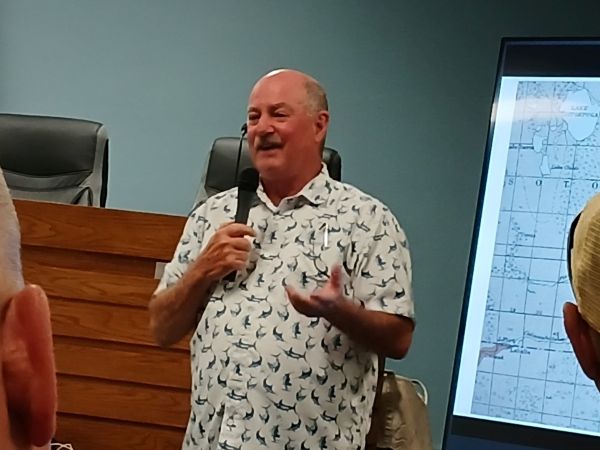 Dr. Gray
Birds. The marshes attract migrating birds like a magnet. Over 10,000 wading birds (herons, egrets, etc.) winter on and around the lake. 10,000-plus ducks join them.
So Lake Okeechobee is really, really significant to both human recreation and avian stopovers.
But this gem of nature has problems. Lots of them. Both natural and man-made.
In 1928, a hurricane storm surge overtopped the 6-foot dike around the lake. Over 2500 people were killed. In response, the government built a dike that sits 27 feet above the lake to prevent catastrophic flooding.
But it came at a price: lake water no longer flows south like it used to. It’s now trapped behind the dike, along with all the pollutants and mud it contains – including 30,000 tons of phosphorous.
In addition, Mother Nature steps into the picture with hurricanes and tropical storms. Their heavy rains disrupt even the best plans to manage the lake level; Hurricane Irma, for instance, took the lake level from 14 feet up to 17.
So Lake Okeechobee -- a true natural treasure right in our back yard -- struggles endlessly to cope with a dike that prevents the water from going where Mother Nature intended it to go, pollutants and mud that it can’t get rid of, and hurricanes that mess with everything humans try to do.
Mother Nature’s way of managing the lake worked just fine until humans came along … and getting nature and humans to coexist has proven to be a monumental ongoing challenge.
Meanwhile, some good news: the Corps of Engineers is going to conduct their previously-announced chemical testing somewhere besides the originally-proposed St. Lucie Canal. The side effects many environmentalists were concerned about are now someone else’s problem.
Lastly, our friends in Tallahassee finally got their act together and passed a budget. In the process, they engaged in a whole bunch of shenanigans which, among other things, effectively zeroed out Florida Forever funding for the year. Gil Smart sighed “The state just doesn’t have any appetite for acquiring land”.
It never ends…
Walter Deemer's opinions are his own and may not reflect Friends & Neighbors viewpoint.
While heart disease, diabetes and stroke are important issues men and women manage every day, prostate cancer remains the most frequently diagnosed cancer in men. One of the most common questions we hear from patients is simple: “When should I start getting screened for prostate cancer?” What surprises many people is that the answer is not the same for everyone.
In talking with one of our leading urologists at Cleveland Clinic, Facundo Davaro, MD, urologic oncologist at Martin Health, we found out he encourages men to start talking with their doctor about prostate health by age 40. That does not necessarily mean every man needs screening at 40, but it does mean it is the right time to review personal risk factors and make a plan.
“For men at higher risk, I often recommend starting screening earlier, usually between ages 40 and 45. This includes African American men and men with a family history of prostate cancer, especially if a father, brother, or uncle has been diagnosed,” Dr. Davaro says. “If someone is younger but has a strong family history, screening may need to begin even earlier. For men at average risk, age 50 is often an appropriate time to start routine screening.”
The key point is: start the discussion early. Screening should be individualized.
Understanding Risk Factors
African American men face a higher risk, and men with close relatives who have had prostate cancer also deserve closer attention.
There are other factors that can raise concern as well. A personal history of certain cancers, such as colorectal cancer, or prior radiation treatment to the pelvic area may also influence how closely we monitor prostate health. These details matter because they help doctors decide not only when to screen, but how aggressively to evaluate an abnormal result.
Why Screening Matters
One of the challenges with prostate cancer is that early-stage disease often causes no symptoms at all. That is exactly why screening is so important. By the time symptoms appear, the condition may be more advanced, although many symptoms can also be caused by noncancerous conditions such as benign enlargement of the prostate.
Many of the men diagnosed with prostate cancer are asymptomatic. They feel fine. Their cancer is found because they were screened.
What PSA Can and Cannot Tell Us
The PSA test is a blood test that helps us identify men who may need further evaluation. It is useful, but it is not a diagnosis by itself. A PSA level can be elevated for many reasons, including benign prostate enlargement or inflammation, not just cancer.
That is why it helps to think of PSA as a tool, not an answer. If a patient has a high PSA, the next steps usually include a physical exam and, in most cases, a prostate MRI.
“MRI has become a real game-changer in prostate cancer evaluation. It helps us identify suspicious areas within the prostate and gives us important information about the size of the gland,” Dr. Davaro explains. “That matters because a larger prostate naturally produces more PSA. We can use something called PSA density, which compares the PSA level to prostate size, to better understand whether the number is truly concerning.”
If the MRI is negative, that can be very reassuring, and in many cases doctors simply continue monitoring. If the MRI shows a suspicious lesion, doctors use that information to decide whether a biopsy is needed.
When a Biopsy Is Recommended
MRI findings are graded to estimate how likely a lesion is to represent significant cancer. In general. Every patient is different, but MRI helps us make smarter, more targeted decisions.
“When a biopsy is needed, I often perform it through the transperineal approach.” Dr. Davaro says. “This means the needle goes through the skin between the scrotum and rectum rather than through the rectum itself. It offers a lower infection risk and also gives us an excellent map of the prostate, which is especially helpful if focal therapy may be part of treatment later.”
Not Every Cancer Needs Immediate Treatment
An important message to patients is that not every prostate cancer needs to be treated right away. Some prostate cancers are slow-growing and can be safely monitored with active surveillance.
To help guide that decision, doctors use genomic testing in selected patients with low- or intermediate-risk disease. These tests offer another layer of information about how aggressive a cancer may be and how likely it is to spread. In other words, they help us look beyond what the biopsy shows on the surface.
If a cancer appears low risk, surveillance may allow a man to avoid or delay treatment and its side effects while still staying safe.
Expanding Treatment Options
For men who do need treatment, we now have more options than ever before. These include surgery, radiation, and focal therapies that treat only the area of the prostate containing cancer.
At Cleveland Clinic Martin Health, Dr. Davaro offers minimally invasive techniques for carefully selected patients. These treatments can be effective while helping preserve urinary and sexual function. They are not right for everyone, but for the right candidate, they can offer excellent cancer control with less impact on quality of life.
“My goal is always to help patients make informed decisions based on their individual cancer, their priorities, and the best available evidence,” Dr. Davaro says. Today, prostate cancer care is more personalized than ever, and that is good news for patients.
The most important first step is simply knowing when to start the conversation.
Dr. Facundo Davaro sees patients at the Cleveland Clinic Family Health Center at 3801 South Kanner Highway in Stuart, 877-463-2010.
Join us in observing Cancer Survivorship Week – June 8-June 12 at the Robert and Carol Weissman Cancer Center at Cleveland Clinic Martin North, 501 SE Osceola Street, Stuart. Activities are designed to celebrate and support all cancer patients and their families.
June 8: Make‑Your‑Own Survivor Ribbon Bar
June 9: Art Activity led by Art Therapist
June 10: Chair yoga for cancer patients and families
June 11: Nutrition to nourish and heal during and after cancer treatment
June 12: Build‑Your‑Own Bouquet Bar
Dr. Chirag Choudhary's opinions are his own and may not reflect Friends & Neighbors viewpoint.
Hurricane season is here, and the start of the season is the perfect reminder to make sure you're prepared before a storm is on the horizon.
Keep Martin Beautiful focuses on protecting and enhancing our local environment through litter prevention, beautification, and environmental stewardship programs. Martin County Emergency Management focuses on keeping our community safe during hurricanes and other emergencies. Because preparedness is so important, we're proud to help share their resources and encourage residents to stay informed and ready before a storm threatens our area.
Whether you've lived in Florida for decades or just arrived, it's worth taking a few minutes to review your hurricane plans. Do you know your evacuation zone? Do you have supplies on hand? Have you signed up for emergency alerts? These simple steps can make a big difference when a storm is approaching.
The best time to prepare is before there's a name on the map.
For reliable information, we encourage residents to visit Martin County Emergency Management and sign up for AlertMartin emergency notifications.
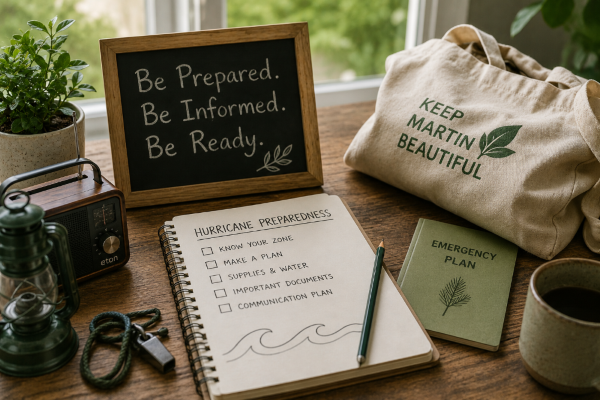
After a storm passes, our community has a long history of coming together to help. If Martin County experiences minor impacts and conditions are safe, our organization may coordinate volunteer opportunities to assist with litter and debris cleanup. Should that become necessary, we'll share information through our normal communication channels.
For now, though, the priority is simple: prepare, stay informed, and rely on trusted sources.
A little preparation today can make a big difference tomorrow.
To learn more about Keep Martin Beautiful, visit Keep Martin Beautiful.org or follow Keep Martin Beautiful on Facebook and Instagram.
Tiffany Kincaid's opinions are her own and may not reflect Friends & Neighbors viewpoint.
When hurricane season approaches, I want you to think beyond boarding up windows and fueling generators. I want you to think about resilience—specifically, whether your business can keep operating and recover quickly if a storm knocks out power, damages equipment, or forces your team out of the office. Protecting your data is one of the most important parts of that preparation.
I have seen how quickly hurricanes can disrupt technology. Power outages, flooding, and equipment failure can erase critical information in a matter of seconds. If your financial records, customer data, or operational files are not properly backed up, the damage can last long after the storm has passed.
That is why I always recommend having a solid disaster recovery and business continuity plan in place before a storm is on the radar. You need a clear plan for how your team will communicate, where your backups are stored, and how quickly you can restore critical systems. Without that kind of preparation, even a short disruption can turn into a much bigger business problem.
I believe cloud computing plays a major role in hurricane-proofing your business. When your data is stored across secure, geographically separate data centers, you reduce the risk of losing everything because of one local event. Even if one location is hit hard, your operations can remain safe and accessible somewhere else.
From my perspective, one of the biggest advantages of cloud-based systems is flexibility. If your office is closed or your team has to evacuate, your people can still access files, stay connected, and continue working from wherever they are with an internet connection.
If you deal with on-premises data, one of the best strategies you can use is the tried and tested 3-2-1 backup rule: keep three copies of your data, on two different types of storage, with at least one copy kept offsite. That way, if your primary office or server is impacted, you still have access to the information you need to recover.

Verifying your continuity plan if vital. Do the backups work, can you reach the people you need to reach should a disaster occur. What is your failover procedure and how or where will you operate in the event of an emergency.
As businesses depend more heavily on technology, I believe preparing your data is just as important as protecting your building. If you take steps now to strengthen backups, test recovery plans, and use cloud-based protection, you will put your business in a much better position to weather the storm and recover faster.
Resiliency and continuity are what matter. Make sure your plan is built around that.
Eric Kiehn’s opinions are his own and may not reflect Friends & Neighbors viewpoint.
Long before “Drain the Swamp” became a metaphorical campaign slogan, the phrase meant something quite literal: remove the water from South Florida, specifically the Everglades.
The submerged land was seen as wasted potential, and thought to be prime farming land— if only they could get to it.
Part of Governor Napoleon Bonaparte Broward’s campaign was to “drain that abominable pestilence ridden swamp,” and in 1906, construction of the first canal, located west of Fort Lauderdale, began.
The Everglades doesn’t exist in isolation but is part of the larger Kissimmee - Okeechobee - Everglades (KOE) system. The system functions nearly exactly how it sounds: water flows from the Kissimmee River into Lake Okeechobee, spills south into the Everglades, and eventually trickling out into Florida Bay. Or it did.
To drain an area big enough to fit the state of Rhode Island four times over requires more than one canal, and so more were built— a whole lot more. If you look at a map of South Florida today, you’ll notice a jigsaw of lines demarcating these canals, including the C-44, a main artery leading from Lake Okeechobee to the Atlantic Ocean. Started in 1916 and completed in 1924, the location for the C-44– which connects to Martin County through the St. Lucie River— was selected because it presented the shortest and least expensive route to tidewater. Controlling Lake Okeechobee’s water levels was key to draining the swamp.
The canal construction was overseen by the Everglades Drainage District, but after heavy rains in 1924 followed by deadly hurricanes in the late 1920s that blasted through their dams and killed thousands of people, the state turned control of the Lake’s water management over to the Army Corps of Engineers. Rather than learn from these catastrophic mishaps and allow the water to flow as it had for thousands of years, government employees believed they knew better than nature, and the Corps doubled down and built the Herbert Hoover Dike: a nearly three story tall berm encircling the entire lake, completely cutting off its natural flow to the Everglades. Governor Broward’s campaign had come to fruition: the farmlands were created, towns built, and business was booming.
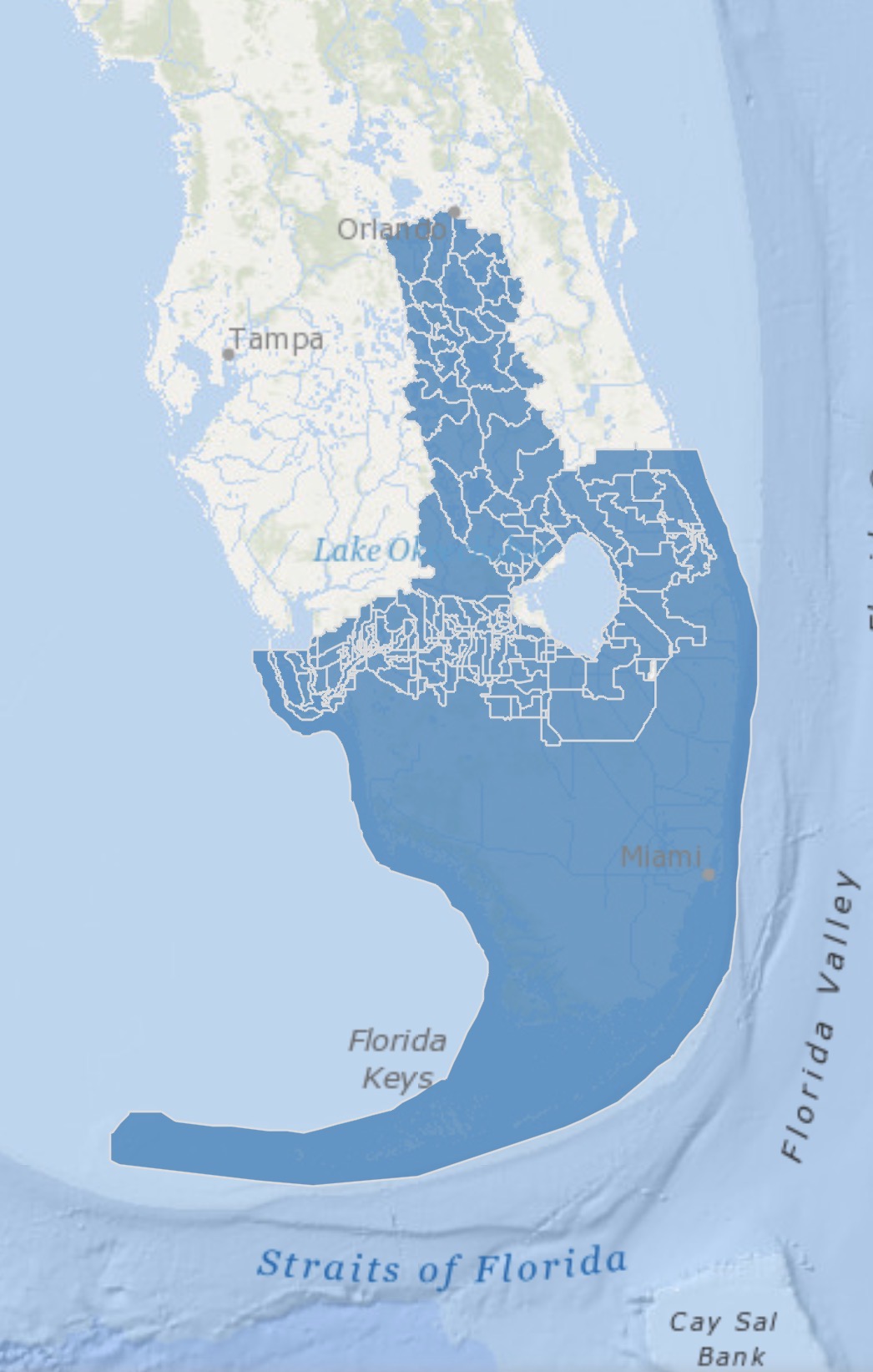
But disrupting a system that took millennia to perfect comes at a cost.
The KOE system went from a finely tuned natural process to a managed reservoir, and the recipient of urban and agricultural runoff. The control of water in and out of the lake, down the canals, around the dikes, and into the rivers was designed for flood control with no thought to water quality and long term impacts.
The system became imbalanced: nutrients built up, algae bloomed, grasses disappeared. Words like ‘toxic’ and ‘unsafe’ became part of regular vocabulary when discussing Lake O and the connecting water bodies. This imbalance wasn’t diluted downstream. Instead, it magnified, spilling into rivers, the sea, and smothering the largest contiguous coral reef in the continental United States.
South, where the water is supposed to flow, the Everglades is drying up, the estuaries in Florida Bay shrivel, and the drinking water supply for South Florida suffers from salt water intrusion.
Early Floridians spent years planning on how to drain the swamp, and now that it’s done, the succeeding generations have spent over a century figuring out what to do with the outfall. Decades upon decades of interference have forever altered the delicate KOE system, and the impacts have only compounded.
Now that we have a context of origin, next month’s column we’ll dive into some of the solutions around fixing it.
If you have history, articles, insight, a comment to share, or want to grab a coffee and chat more, I’d love to hear from you. My email is: hello@karagracemuzia.com. Please reach out.
Kara Grace Muzia's opinions are her own and may not reflect Friends & Neighbors viewpoint.
Each year in June, communities around the world observe World Elder Abuse Awareness Day (WEAAD)—a global effort to raise awareness about the abuse, neglect, and exploitation of older adults.
While elder abuse takes many forms, one of the fastest-growing threats today is financial exploitation through scams. As technology evolves, so do the tactics used by criminals, making it more important than ever to recognize risks and protect vulnerable populations.
A Growing Crisis
Elder abuse is a global issue that affects millions of older adults and often remains hidden or underreported. In recent years, financial scams have emerged as a major driver of harm, costing older adults billions of dollars annually while undermining their financial security and independence.
World Elder Abuse Awareness Day serves as a reminder that protecting older adults is not just a personal responsibility—it is a community and societal obligation.
Understanding Elder Financial Exploitation
Financial exploitation includes scams, fraud, and theft that target older adults. These crimes are often committed by strangers, but can also involve individuals known to the victim.
Common scam types targeting older adults include:
- Impersonation scams (posing as government agencies, banks, or family members)
- Tech support scams claiming security problems with computers or accounts
- Romance scams that manipulate emotional connections for financial gain
- Investment and cryptocurrency scams promising unrealistic returns
- Lottery and sweepstakes scams requiring payment to claim fake prizes
 These schemes are designed to manipulate trust, urgency, and fear—making them difficult to detect, even for educated and experienced individuals.
On Wednesday, June 10, 2026, the Area Agencies across the State of Florida are hosting a Virtual (Online) workshop. The workshop will provide valuable insights into the most common scams targeting older adults, warning signs to watch for, and practical strategies to protect yourself and others from fraud. Participants will also learn how to report suspected scams and access trusted resources for assistance. The program is ideal for older adults, caregivers, family members, and anyone interested in increasing their awareness and prevention skills.
Common Scams and How to Avoid Them: World Elder Abuse Awareness Day 2026
Click on the Link below to register…
https://us02web.zoom.us/webinar/register/WN_jH8BxONdT2GeKJgARJD59w#/registration
Know Us Before You Need Us
The Area Agency on Aging is dedicated to promoting the well-being and independence of seniors, adults with disabilities, and their caregivers. We offer resources, support, and advocacy to help you live safely and independently.
📞 Helpline: 1-866-684-5885
Dwight D. Chenette's opinions are his own and may not reflect Friends & Neighbors viewpoint.
CALL TO ACTION: VOLUNTEERS NEEDED IN MARTIN COUNTY
Hurricane season is approaching—and local volunteers are essential. Whether supporting emergency shelters, assisting families after disasters, or helping behind the scenes, volunteers play a vital role when our community needs help most.
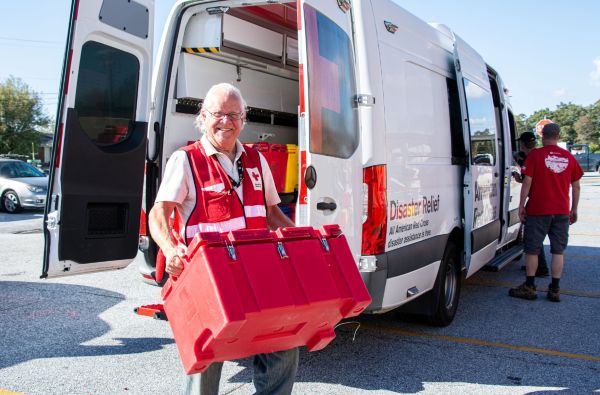
The American Red Cross South Florida Region invites community members to learn more by attending a Virtual Volunteer Information Session (Open House):
When: Second Wednesday of every month | 5:30 – 6:30 p.m. | Held via Microsoft Teams
Register: https://www.redcross.org/local/florida/south-florida/volunteer.html
Preparedness starts now—and community resilience begins with informed, trained, and committed volunteers.
As we enter June, the official start of hurricane season, early awareness is key. The NOAA Predicts Below Normal 2026 Atlantic Hurricane Season outlook signals a quieter year overall—but not a risk-free one.
NOAA Forecast and What It Means
NOAA is predicting a below-normal 2026 Atlantic hurricane season, with 8–14 named storms, 3–6 hurricanes, and 1–3 major hurricanes, and a 55% chance of below-average activity. While these numbers are lower than average, experts consistently emphasize that storm impacts are not determined by totals alone. Even a single storm making landfall can cause severe damage, especially in vulnerable coastal regions like South Florida.
That’s why June is the time to prepare—not react.
Preparedness at Home
Households should begin with a clear emergency plan. Know your evacuation zone, identify a safe meeting place, and ensure communication plans are in place for family members. Preparing your home includes securing shutters, clearing gutters, trimming trees, and checking insurance policies.
Equally important is assembling a preparedness Go Kit. Your Go Kit should include:
- Water (one gallon per person per day for at least three days)
- Non-perishable food
- Prescription medications
- Flashlights and extra batteries
- Cell phone chargers and backup power
- Copies of important documents
- Personal hygiene and first aid supplies
Having this kit ready ensures you can act quickly if conditions deteriorate or evacuation orders are issued.

Preparedness for Small Businesses
Small businesses must also take proactive steps. Hurricanes can disrupt operations, supply chains, and employee safety. Business owners should create continuity plans, back up critical data, and establish communication strategies for employees and customers.
A valuable resource is the American Red Cross Ready Rating program, a free, self-guided system that helps organizations assess their preparedness and strengthen their emergency plans. Through assessments, tools, and templates, businesses can improve their ability to respond to and recover from disasters while protecting people and property.
Local Support and Resources

The American Red Cross South Florida Region offers preparedness education programs, training, and resources for individuals, families, and organizations. From hurricane preparedness classes to youth education and workplace programs, these services help communities build the skills needed before disasters strike. [
Residents and business owners are encouraged to visit the South Florida Red Cross website for local resources, preparedness tools, and opportunities to get involved.
Take Action Now
Hurricane season is not just about forecasts—it’s about readiness, action, and community. Volunteering, preparing your home, and strengthening your business plans all contribute to a more resilient South Florida.
Build your Go Kit. Make your plan. Get trained. And consider stepping forward as a Red Cross volunteer—because when a storm comes, it takes a community to weather it together.
Traci Mitchell's opinions are her own and may not reflect Friends & Neighbors viewpoint.
June has come with wind and rain and dust. May is just a stream of memories, and we have staggered into June, numbed by war, disease and dread.
 I cling to the light. I enjoyed it this weekend, visiting a pottery workshop with friends and watching the final performance of “Into the Woods,” another fabulous show at the Barn, a community jewel whose Board and staff have an incredible ability to read the mood of our time. This dark show is a mashup of fairy tales where nothing is as it seems. When Cinderella’s prince is caught wooing a baker’s wife in the woods; his excuse: “I was written to be charming, not sincere.” The cast is wonderful. Singers, dancers, and a puppeteer array a beautifully designed set. Check out their upcoming season for more great theatre.
 What’s coming up? Habitat for Humanity of Martin County, is having a “fun” raiser. Join us at the “Totally 80’s Night” at the Frazier Creek Brewery on June 20,2026, 6 to 10 pm. There will be auction items that match the theme. Why do we do this? Because we build houses for folks: we have two house dedications on June 13, 2026.
On a more sober note, it is said that no one is safe when the Florida Legislature is in session. It was a tough year for budget negotiations between the Governor and the Legislators. For the arts and culture sector of our economy, it is always worrisome. Let’s hope that changes in our local property taxes do not erode support for our local arts agency, public libraires and historic preservation. In a community driven mad by road construction, local government officials will face hard decisions as they prepare their budgets for the upcoming fiscal years.
I wish them well. It’s a tough job and I thank them for their service.
Nicki van Vonno’s opinions are her own and may not reflect Friends & Neighbors viewpoint.
I want to have an honest conversation about pricing, because right now it is the one topic that is making both business owners and their customers feel like they are losing their minds, just for completely different reasons.
Let’s start with the business owner.
 She has been running her shop for eleven years. She knows her regulars by name. She knows who takes their coffee black and who is still ordering the same sandwich they ordered in 2019. And she has been dreading, for about two years now, the moment she has to change the menu board.
Because her suppliers raised prices. Her packaging costs went up. Her part-time help needed more per hour, which is fair, because everything they buy costs more too. Her electric bill looks like a mortgage payment. And she has been quietly absorbing as much of it as she can because she does not want to be the business that raises prices on people who are already stretched thin.
So she waits. And absorbs. And one day she does the math and realizes she has been working harder than ever to make less than she did five years ago.
That is not a business strategy. That is a slow bleed.
Now let’s talk about the buyer.
 He is not unreasonable. He is not cheap. He just remembers what things used to cost and cannot quite make peace with what they cost now. He picks up a bag of coffee at the grocery store and stands there doing mental math in the aisle. He gets a quote for a home repair and has to sit down. He is not angry at the business owner. He is just tired, and a little financially rattled, and trying to figure out where to trim.
Here is the thing: both of these people are right. And neither one of them is the villain in this story.
Pricing in this economy is genuinely hard. Costs are real. Customer stress is real. And the tension between those two truths sits right on the counter of every small business in Martin County every single day.
So what do you do if you are the business owner?
First, stop apologizing for your prices and start explaining them. There is a big difference between “sorry, I had to raise prices” and “we updated our pricing to keep up with ingredient and supply costs, and we want to make sure you are always getting the quality you expect from us.” One sounds like guilt. The other sounds like a business that knows its value.
Second, give people options where you can. A smaller size, a bundled deal, a loyalty reward. You are not lowering your value, you are meeting people where they are. That builds more loyalty than a discount ever will.
 Third, and this one matters: communicate before customers notice. A short email, a sign, a social post. When people hear about a price change from you instead of discovering it at checkout, they almost always take it better. Nobody likes a surprise on a receipt.
For the buyers reading this, the best thing you can do for a small business you love is keep showing up. Ask about their specials. Leave a review. Tell a friend. That costs you nothing and means everything to the person behind the counter who is just trying to keep the lights on and the coffee hot.
Nobody signed up for this economy. But we are all in it together, and a little understanding on both sides of the counter goes a long way.
Chriss David’s opinions are her own and may not reflect Friends & Neighbors viewpoint.
Parking in Port Salerno is not a new issue. Anyone who has lived, worked, fished, or owned a business here for more than a few years understands that. The shortage of public parking along the waterfront has been discussed for decades at CRA meetings, NAC meetings, dock conversations, and county workshops. The Community Redevelopment Area’s own long-standing vision identified modest supplemental parking along Park Street and Railway Avenue as one of the few realistic ways to preserve both public access and the working waterfront while supporting small businesses and restaurants.
For years, progress was slow but relatively cooperative. Then everything changed.
Beginning around 2022, Port Salerno became ground zero for a much larger fight about redevelopment, property rights, affordable housing laws, and the future identity of the fishing village itself. What should have been a practical conversation about infrastructure turned into a political war — and at the center of that war was local businessman Casey Cass.
Mr. Cass emerged publicly during the parking debate in 2023 as one of the loudest voices opposing additional waterfront parking proposals tied to the CRA discussions. According to local reporting, he became a central figure in the “Save Our Salerno” movement, organizing opposition campaigns and mobilizing public pressure against proposals associated with developer and property owner J Corey Crowley. (wptv.com)
The public narrative presented by Mr. Cass and his allies was simple: more parking would invite more redevelopment, and more redevelopment would threaten the historic fishing village character of Port Salerno.
That message resonated emotionally with many residents. And frankly, it was effective politics.
But beneath the slogans sits a harder truth that many people quietly acknowledge but few are willing to say publicly: Port Salerno cannot survive economically without solving parking.
-The fishermen need it.
-The restaurants need it.
-The fish markets need it.
-The festivals need it.
-The public boat traffic needs it.
-Even the anti-development activists themselves use it every single day.
Parking is infrastructure. It is not ideology.
Ironically, one of the most contentious areas discussed for additional public parking involved portions of the FEC corridor and surrounding areas already heavily relied upon by local businesses for informal vehicle storage and overflow parking. Critics of Cass have long argued that his opposition was less about protecting Port Salerno and more about protecting the operational status quo around his own business interests. Like a dog protecting his food bowl.
That criticism intensified after reporting revealed that members of the “Save Our Salerno” movement coordinated code enforcement complaints against Crowley’s properties after disputes over parking proposals escalated. (wptv.com)
At the same time, Crowley publicly argued that the lack of parking was precisely what would force developers into building larger apartment-heavy projects under Florida’s Live Local Act rather than the mixed-use fishing village concepts many residents claimed to support. (wflx.com)
That is the great irony of Port Salerno today:
The very people claiming to oppose overdevelopment have spent years blocking one of the only tools that could reduce pressure for massive redevelopment — shared public infrastructure.
-Without parking, small-scale mixed-use projects become financially difficult.
-Without parking, independent seafood markets struggle.
-Without parking, waterfront commerce shrinks.
-Without parking, only large projects with enough internal density to self-finance survive.
And now comes the strangest chapter yet: Casey Cass is running for County Commission.
For many longtime observers of Port Salerno politics, the idea is almost surreal. The same man who built his local reputation largely around opposing infrastructure improvements, fighting parking expansion, escalating neighborhood conflict, and fueling division is now presenting himself as a candidate for countywide leadership.
To his supporters, he is a protector of the village.
To many others, however, his candidacy represents something very different: the normalization of obstruction as governance. It’s like watching Pablo Escobar run for office to those who know him well.
Because protecting Port Salerno is not just about saying “no.” It requires solving real problems — parking, septic systems, drainage, flooding, traffic circulation, infrastructure financing, and economic sustainability for a working waterfront that continues to shrink under modern pressures.
Those problems require compromise, planning, engineering, and leadership.
Not slogans.
Not outrage.
Not social media campaigns.
And not endless political warfare against anyone proposing change.
Even residents who oppose major redevelopment increasingly admit that the current trajectory is unsustainable. The village cannot simultaneously reject parking, reject infrastructure expansion, reject redevelopment, reject density, reject public investment, and still expect the local economy to thrive.
At some point, reality intervenes.
Whether residents like Mr. Crowley or not is almost beside the point. Personalities have overshadowed the underlying reality: Port Salerno’s parking crisis is real, longstanding, and increasingly damaging.
And while many residents may disagree with Crowley’s style, proposals, or a
J. Corey Crowley's opinions are his own and may not reflect Friends & Neighbors viewpoint.
|
|
25th Annual Robert F. Novins Memorial Golf Tournament Raises Nearly $200,000 for Volunteers in Medicine Clinic
Stuart, FL – May 20, 2026 — The 25th Annual Robert F. Novins Memorial Golf Tournament & Reception was a resounding success raising nearly $200,000 to benefit the Volunteers in Medicine (VIM) Clinic of Martin County. This outstanding achievement was made possible through the generosity of our community and the leadership of our event hosts.
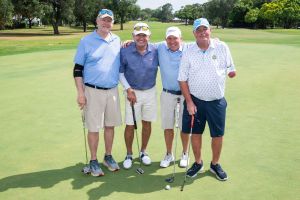 Patrick Schroeder, Nick Price, Carson Novins, John Trenchik
Carson Novins, alongside his sisters Beth Novins and Jeffrey Hartt, host this annual tournament in memory of their father Robert F. Novins. Over the past 14 years, the event has raised more than $2 million to support VIM Clinic and its mission to provide free healthcare to low-income, uninsured residents of Martin County.
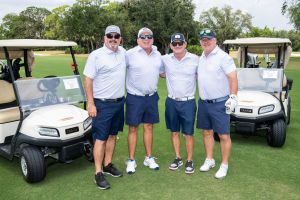 Ryan Baum, Will Crook, Jim Hoffman, Bryan Polhemus
“We are deeply grateful to our sponsors, donors, and volunteers whose generosity makes this event possible,” said Mary Fields, Executive Director of VIM Clinic. “This tradition reflects the compassion and legacy of Robert F. Novins.”
This year’s winning team included Keith Varney, Mike Ortega, Gary Armstorn, and Chuck Cameron, who earned top honors on the course. All proceeds from the tournament directly support patient care and essential medical services at VIM Clinic.
The organization is already looking ahead to next year’s 26th Annual celebration of the Robert F. Novins Memorial Golf Tournament. For more information about supporting VIM Clinic or next year’s event, please contact us at (772) 463-4128 x 211 or visit vimclinic.net/golf.
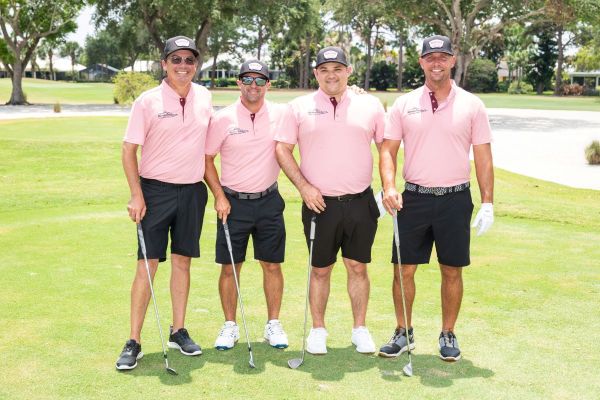 Fred Caimotto, Dave Bradberry, Andres Elizondo, Zack Mihalik
About VIM Clinic:
Since 1995 Volunteers in Medicine Clinic has been providing free health care to qualified, uninsured Martin County residents. Volunteers in Medicine Clinic is located at 417 SE Balboa Avenue in Stuart, Florida. For more information, please call 772.463.4128 or visit Volunteers in Medicine Clinic online at www.vimclinic.net.
Photographer: Steve Martine

Dinks, Drinks & Pickleball Brings High-Energy Fun to Jensen Beach—All for a Great Cause
Martin County, FL — Get ready to serve, sip, and support! The Martin Chamber Foundation invites the community to rally for a night of action-packed fun at Dinks, Drinks & Pickleball, a lively indoor tournament benefiting the Career Connect Martin program.
Taking place on Thursday, June 25, 2026, from 6:00 to 9:00 PM at Diadem Jensen Beach, this one-of-a-kind fundraiser blends friendly competition with a party atmosphere—complete with music, costumes, and community spirit.
A Tournament Like No Other
Whether you're a seasoned player or just learning the game, all skill levels are welcome in this high-energy, round-robin format. Teams of two will compete in fast-paced, timed matches, rotating opponents each round for maximum play and excitement. The top teams will advance to a playoff showdown to crown the ultimate champions.
Adding to the fun is the event’s signature twist: “Switch When the Music Stops.” With a live DJ spinning throughout the night, players will rotate courts when the music cuts—keeping everyone on their toes and the energy sky-high.
Dress the Part, Win Big
This isn’t just a tournament—it’s a full-on themed experience. Teams are encouraged to match their team theme with their attire, from musical genres to favorite decades, with prizes awarded for the best team costumes.
More Than Just a Game
Guests will enjoy drink tickets, appetizers, raffle prizes, and plenty of opportunities to connect—all while supporting a powerful mission. Proceeds benefit Career Connect Martin; a workforce development program of the Martin Chamber Foundation that helps local residents gain skills, training, and access to meaningful employment.
Get Involved
- Team Registration: $100 per team (includes tournament entry, t-shirts, 2 drink tickets per player, and appetizers)
- Spectator Tickets: $25 per person (includes 2 drink tickets and appetizers)
A variety of sponsorship opportunities are also available, offering local businesses a chance to gain visibility while making a meaningful impact.
Join the Rally
Whether you're playing, cheering, or sponsoring, Dinks, Drinks & Pickleball promises an unforgettable evening of fun, connection, and community support.
For more information or to register, visit StuartMartinChamber.org (Events Calendar) or direct to https://givebutter.com/dinks-drinks-pickleball-for-charity-3gbpgr

League of Women Voters of Martin County honors Palm City resident with Susan B. Anthony Award
STUART, Fla. — The League of Women Voters of Martin County recently presented Palm City resident Roberta Scott with the Susan B. Anthony Award, the organization’s highest honor, in recognition of her service to the community through interfaith outreach, advocacy for people experiencing homelessness and support for families affected by Alzheimer’s disease.
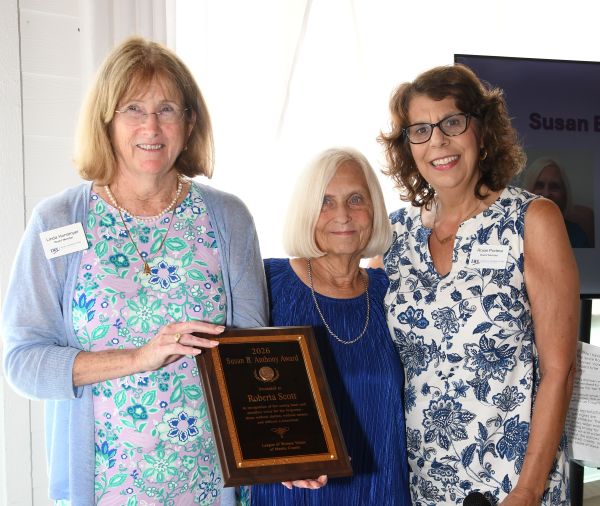 Linda Horstmyer, Roberta Scott, award winner, Rosie Portera
Scott serves as outreach coordinator for Unity of Stuart but her commitment to service extends well beyond those walls. She has served on the steering committee for Faith in Florida, where she helped bring together people of different backgrounds around issues of justice and human dignity. She also helped establish an interfaith group on the Treasure Coast to encourage understanding and cooperation among diverse spiritual communities.
She was a lead organizer for Tent City in Martin County, advocating for and supporting people experiencing homelessness. Scott also has worked with the Alzheimer’s Association and traveled twice to Tallahassee to speak in support of programs and resources for people with Alzheimer’s disease and their families.
Her community service also has included advocacy for immigrants and other vulnerable populations, as well as many years of volunteering in hospice care.
In presenting the award at a recent luncheon, Board Member Rosie Portera said Scott embodies the very spirit of this recognition.
“Roberta is a woman who gives not for a cause, but because service is simply who she is,” said Portera. “She is a quiet, but powerful force for compassion on the Treasure Coast. She has a rare and beautiful gift of pastoral care, showing up for people with warmth, wisdom, deep compassion, listening carefully and responding with both kindness and action.”
The award is named for Susan B. Anthony, an American activist and leader in the women’s suffrage movement who served as president of the National Woman Suffrage Association from 1892 to 1900.
The League of Women Voters of Martin County is a nonprofit, nonpartisan political organization that encourages informed and active participation in government, works to increase understanding of major policy issues and advocates for legislative changes and policies for the public good.
Photo by Doreen Poreba

Martin County Commissioners Advance Plans for Treasure Coast Maternity Center
STUART, Fla. - For more than a year, Martin County families have been forced to travel outside the community to deliver their babies. On Tuesday, May 19, the Martin County Board of County Commissioners took a major step toward changing that. The Board agreed to lease county-owned property along SE Tower Drive in Stuart, where the proposed Treasure Coast Maternity Center would be developed, approving a 25-year lease at $1 per year.
The approval marks a major milestone in restoring local maternity care access following the closure of Cleveland Clinic Martin North Hospital’s labor and delivery unit in 2025, which left Martin County without local hospital-based maternity services.
Healthcare leaders and community advocates described Tuesday’s vote as a defining moment in the effort to restore safe, accessible maternity care close to home for families throughout Martin County and the Treasure Coast.
“No mother should have to worry about whether she’ll make it to the hospital in time,” said Samantha Suffich, CEO of the Martin County Healthy Start Coalition. “This vote represents hope for restoring local maternity care and creating a healthier future for mothers, babies, and families across the Treasure Coast.”
The Board’s approval allows the Treasure Coast Maternity Center initiative to proceed with site planning, feasibility studies, due diligence activities, and continued development of the proposed facility.
“Today is not the last day of the process, it's practically the first day,” said Martin County Commissioner Ed Ciampi. “The real work lies ahead, and it will take all of us coming together to support Healthy Start, to find ways to participate and invest in the future of maternal care right here in Martin County."
The vote came as the Martin County Healthy Start’s MOM Mobile has already demonstrated the need and viability of local maternity services, having served 26 mothers since September and delivering six full-term babies.
The Treasure Coast Maternity Center is envisioned as a 15,000-square-foot, family-centered maternity facility designed to support up to 500 births annually. Beyond labor and delivery services, the center is planned as a coordinated maternal health ecosystem integrating:
- Prenatal care
- Labor and delivery services
- Postpartum care
- Lactation support
- Mental health services
- Fatherhood programming
- Healthy Start Home Visiting
- Nurse-Family Partnership
- Community doula services
- Medicaid navigation
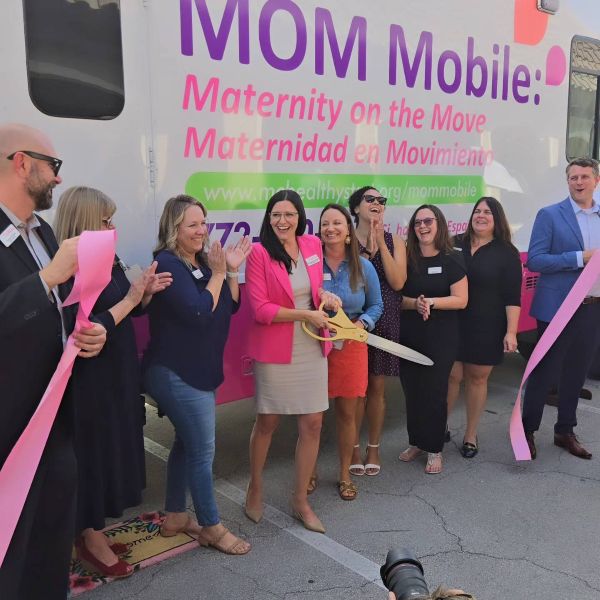
Community leaders and healthcare advocates celebrated the ribbon cutting of Martin County Healthy Start Coalition’s MOM Mobile
The proposed model is designed specifically for low-risk pregnancies while maintaining strong physician oversight, emergency transfer protocols with EMS, and coordinated relationships with regional healthcare partners for higher-acuity care when necessary.
Healthcare leaders say the initiative reflects a growing national movement toward freestanding maternity centers as a way to improve maternal and infant outcomes while reducing healthcare costs. The organization intends to pursue accreditation through the Commission for the Accreditation of Birth Centers.
According to national data, freestanding maternity centers are associated with:
- 26% lower preterm birth rates
- 20% lower low birth weight rates
- 40% lower cesarean delivery rates
- Lower overall childbirth costs
“Access to maternity care is foundational community infrastructure,” Suffich said. “Communities thrive when families can safely access healthcare locally. Martin County families are still traveling outside the county to deliver their babies. This initiative is about restoring safe, accessible maternity care close to home and ensuring our community does not become a maternity care desert.”
The initiative has already secured $1 million in state appropriations with support from Senator Gayle Harrell and Representative Toby Overdorf and is continuing efforts to secure approximately $8 million in total funding through public, private, philanthropic, and community partnerships.
Supporters emphasized that while Tuesday’s vote marks an important milestone, significant work remains ahead involving fundraising, design, regulatory approvals, planning, and continued community collaboration.
“We are incredibly grateful to the commissioners, healthcare leaders, advocates, and families who stood behind this effort,” Suffich said. “This approval gives us the ability to move forward with due diligence, planning, and continued development of a model that we hope can help address the maternity care crisis facing communities across Florida and the nation.”
The Treasure Coast Maternity Center needs the support of the entire community to become a reality. Individuals, businesses, and organizations interested in contributing to this critical effort are encouraged to contact Martin County Healthy Start Coalition at 772-463-2888 or visit www.mchealthystart.org to learn how they can help bring safe, local maternity care back to Martin County families.
About the Treasure Coast Maternity Center
Treasure Coast Maternity Center, Inc. is a nonprofit maternal healthcare initiative focused on restoring local access to maternity care in Martin County and the surrounding region through a comprehensive, family-centered model emphasizing safe, accessible, and coordinated care. The proposed freestanding maternity center will integrate prenatal care, labor and delivery, postpartum services, mental health support, community partnerships, and family resources designed to improve outcomes for mothers and babies across the Treasure Coast.
About Martin County Healthy Start Coalition
Martin County Healthy Start is a nonprofit organization dedicated to ensuring that every baby is born healthy. It provides educational and health services to pregnant women, new mothers and their families at no cost, particularly expectant mothers who are at risk for late or no prenatal care.
Part of a statewide coalition, Healthy Start connects pregnant women and young mothers with essential services including prenatal care, home visitations by a nurse or social worker, breastfeeding support, parenting education, car seat and sleeping safety, a free diaper pantry, and access to other community partner agencies. The David Cardno Fatherhood Initiative, also part of the Martin County Healthy Start Coalition, helps fathers to become more involved in parenting and offers legal assistance to fathers who are separated from their children.
The programs of Martin County Healthy Start Coalition are voluntary and available to all Florida residents at no cost.
For more information about Martin County Healthy Start Coalition and its ongoing programs, visit www.mchealthystart.org, call 772-463-2888 or follow the organization on Facebook.

Banner Lake proudly celebrated the VPK Graduating Class of 2026 with a special ceremony
honoring a year of learning, growth, and achievement. Families, friends, and staff gathered
together to recognize the accomplishments of our youngest learners as they prepared to take the next step in their educational journey.

The ceremony featured students receiving their VPK diplomas, a milestone that marked the
culmination of their hard work and dedication throughout the school year. Graduates proudly
crossed the stage to cheers and applause from loved ones, creating memories that will be
treasured for years to come.

Students also delighted guests with special songs and dances they had practiced for the occasion.
Their enthusiasm, confidence, and joyful performances reflected the many skills they developed during their time in the program and brought smiles to everyone in attendance.
Adding a personal touch to the celebration, teachers shared heartfelt memories and reflections from the past year, highlighting the growth, friendships, and unique personalities that made the class so special. From first accomplishments to unforgettable classroom moments, these stories served as a reminder of how much each student has grown.

The VPK Graduation Ceremony was a wonderful celebration of achievement, community, and new beginnings. We are incredibly proud of our graduates and look forward to seeing all they accomplish as they continue their educational journey.
It’s a “N.E.W. Day” for Treasure Coast Workers
STUART — Martin and St. Lucie County workers gained new job skills and opportunities for fulfilling employment at the Martin Chamber Foundation’s first-ever N.E.W. Day event.
N.E.W. stands for Neighborhood Employment Workshop, and it’s the first of many free educational events planned throughout the Treasure Coast to focus on workforce development needs regionally.
A dozen unemployed and underemployed highly motivated professionals attended the N.E.W. Day program, which included a deep dive into job searching and interviewing skills the Martin Chamber Foundation career coaches.
The event is part of the nonprofit’s CareerConnect Martin program, which connects Martin and St. Lucie County residents with good-paying, full-time careers in local businesses. It’s a win-win effort that supports the local economy while making a difference in the lives of individuals.
“The participants of our event were excited to network with area businesses and gain the skills they needed to get hired at great jobs in their own community,” said Angela Hoffman, the executive director of the Martin Chamber Foundation. “This was different from a job fair in that everyone received action-oriented information to help them actually achieve their professional goals.”
Held in Hobe Sound, the event was underwritten by Treasure Coast Infrastructure (TCI)/Bismark Electric, Chapman School of Seamanship, the Business Development Board of Martin County, and Evergreen Private Care.
Participants enjoyed a workshop led by Career Coaches Gina Masters and Chris Ramiro, followed by presentations by area businesses and a catered lunch. Participants were then encouraged to apply to the full CareerConnect Martin program, which is underwritten in part by the Children’s Services Council of Martin County, the United Way of Martin County, and the Community Foundation for Palm Beach and Martin Counties.
This program is free and open to anyone in Martin or St. Lucie Counties ready to uplevel their skills to earn a living wage through a fulfilling career. Area businesses can also apply to receive human resource support and free paid apprenticeships to fill vacancies.
To learn more about CareerConnect Martin, log on to martinchamberfoundation.org or call 772-287-1088 today.

Education Foundation of Martin County welcomes new board members
STUART, Fla. — The Education Foundation of Martin County is pleased to announce the addition of two new board members: Dr. JoAnna Oster of Family Ministries at Stuart Congregational Church and a professor at Liberty University, and Steve Simon, managing partner of Rosenthal, Levy, Simon & Sosa, injury lawyers.
 Oster, who has a doctoral degree in educational leadership, has been in education for more than 20 years beginning as a fourth grade teacher and currently a professor and dissertation chair at Liberty University. She also works as the director of family ministries with youth and families at Stuart Congregational Church.
JoAnna Oster
“This community is so important to support education,” said Oster. “Even over 20 years ago, I completed a principal internship with Florida Atlantic University at Port Salerno Elementary School. This area was the place to be for education. Now, all of these years later, it still is! Get involved and be a part of the next generation of excellence.”
Simon’s law firm prides itself on giving back to the community and supporting organizations that make a meaningful difference locally.
 “I have a personal passion for education,” said Simon. “My wife was a teacher for more than 30 years and I have seen firsthand the impact that strong educational support can have on students and educators. I look forward to contributing my legal expertise, experience and community connections to help further the Foundation’s mission of enriching and enhancing educational opportunities and support for students and teachers in the Martin County public school system.
Steve Simon
For information about the Education Foundation of Martin County, visit the website, www.EducationFoundationMC.org or call the office at 772-600-8062.
The Education Foundation of Martin County is the Martin County School District’s strategic non-profit partner with the mission of enriching and enhancing educational opportunities and support for students and teachers in Martin County’s public schools. As an independent group, the Foundation promotes this effort by raising and distributing private and corporate funds through several established programs, including classroom enrichment grants, literacy programs, professional development for teachers, special initiatives, scholarships and programs to recognize outstanding teaching. For more information, please visit www.EducationFoundationMC.org

Hibiscus Children’s Center
Keeping Kids Safe
Treasure Coast - June is National Safety Month! This is a time dedicated to raising awareness about preventing injuries and promoting safety in various aspects of our lives. One crucial area that demands our attention is the safety of children, as they are the most vulnerable members of society and our most precious resource.
Over 40 years ago, Hibiscus Founder LaVaughn Tilton was deeply affected by the lack of safe placements for abused children removed from their homes and had a vision of communities where children could grow up free of abuse. Since that time, thousands of children have received safe haven at the Tilton Family Children’s Center in Jensen Beach and Hibiscus Village in Vero Beach. Children arrive at Hibiscus scared and traumatized. Every day, they are welcomed by caring staff and volunteers and have received over 500,000 nights of safety since 1985. Children are provided critical services including mental health, educational, medical, trauma-informed care, career training and hope for a brighter future.
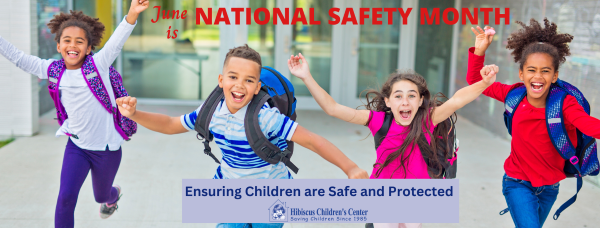
Ava (name changed) was eight years old when she was placed at the Tilton Family Children’s Shelter. Although she felt scared and alone, the Hibiscus team of caregivers immediately assured Ava that she was safe. Over time, Ava began to feel more secure and learned to trust the staff and volunteers. Mental Health Counselor provided therapy to help Ava heal, feel more confident and learn to cope with the trauma she endured. After leaving Hibiscus, Ava was placed in foster homes for several years. Ava returned years later to the Hibiscus Village and felt hopeless and alone. The years of moving from foster home to foster home and the difficult circumstances that surrounded her family had taken its toll. The staff worked with Ava to help her realize how valuable she was and that she had the potential for a better future. Slowly, Ava began to envision the life she wanted to have. She concentrated on school and was involved in sports. Her determination to get her life back on track was evident in her willingness to work hard in school and with her therapist who provided the tools to handle her anger and hurt appropriately. Ava participated in the Career Pathways to Independence Program which assists teens in preparing for the future. When Ava turned 18, she was equipped with the life skills, career knowledge and resources she needed to succeed and was enrolled in college. Ava shared, “I don’t know what I would have done without Hibiscus. I would not have made it here and on the road to a productive life”.
We would love the opportunity to share more with you about how you can get involved and help children! For more details, please visit us at HibiscusChildrensCenter.org or contact Michelle King, CDO, at mking@hcc4kids.org.

COMMUNITY FOUNDATION FOR PALM BEACH AND MARTIN COUNTIES AWARDS $1.7 MILLION THROUGH 178 SCHOLARSHIPS TO LOCAL STUDENTS
Scholarships Awarded to Palm Beach and Martin County Students Headed to College this Fall; Community Foundation has Provided Over $20 Million in Scholarships Through 3,600+ Awards Since 1985
West Palm Beach, FL (May 20, 2026) – The Community Foundation for Palm Beach and Martin Counties awarded $1.7 million in college scholarships through its 2026 Scholarship Program, marking a 21.4% increase over last year. A total of 178 scholarships were granted to students enrolling in college or vocational school this fall – 63 more scholarships than in 2025 – continuing the Community Foundation’s longstanding commitment to expanding access to higher education across the region.
A nonprofit organization dedicated to fostering partnerships with donors, nonprofits and community members to address the region’s chronic and emerging civic and social issues, the Community Foundation offers both need- and merit-based scholarships funded through more than 100 donor-established funds. This year’s Scholarship Program received 727 completed applications, with the average scholarship award totaled $10,000.
“This year’s applicant pool was exceptional in both strength and caliber,” said Dr. Joanne Julien, chair of the Community Foundation’s Scholarship Committee. “These students stood out not just for their academic performance, but for their perseverance, leadership, and drive to create positive change. Their potential is undeniable, and we are proud to support them and help make their academic goals a reality.”
Since launching its scholarship program in 1985, the Community Foundation has distributed more than $20 million in scholarships to over 3,600 students throughout Palm Beach and Martin counties. The scholarships help reduce financial barriers to higher education and lessen the burden of student loan debt for students and families.
“Scholarships are transformative investments that can change the trajectory of a student’s life,” said Danita R. DeHaney, president and CEO of the Community Foundation. “Our goal is to support students who have the passion and ability to succeed, but not always the financial means. When we invest in their success, we’re investing in the future of our entire community.”
In addition to financial support, scholarship recipients have access to a range of wrap-around services throughout their college experience, including success coaching, mentorship, workshops, internships, experiential learning opportunities, tutoring access, emergency funding, and wellness programs. Currently, 35 students are enrolled in the Community Foundation’s wrap-around support program, 55% of which are first-generation college students.
Recipients will be recognized during the Community Foundation’s Annual Scholar Celebration on Friday, June 12, 2026 at the Center for Philanthropy in West Palm Beach.
About the Scholarship Program
The 2026 scholarship cycle opened February 2, 2026 for students planning to enroll in college, trade, or vocational programs in the summer and fall of 2026. Applications are reviewed and matched with relevant scholarship opportunities based on donor-established criteria. Finalists participate in an interview process, and scholarship recipients are approved by the Community Foundation’s Board of Directors. Scholarship funds are distributed directly to the students’ selected educational institutions.
To learn more about the scholarship program, visit https://yourcommunityfoundation.org/about-scholarships/.
About the Community Foundation for Palm Beach and Martin Counties
The Community Foundation for Palm Beach and Martin Counties is a nonprofit organization that leads philanthropy locally. The Foundation provides charitable expertise and vehicles to increase the investment options on behalf of individuals, family foundations, and corporations. Since 1972, the Foundation has distributed over $275 million in grants and scholarships aimed at closing the area’s opportunity gaps. With its vast network of donors and nonprofit partners, the Foundation supports initiatives that improve youth and education, economic opportunity, thriving communities, and crisis preparation and response. Learn more at yourcommunityfoundation.org.
Photos from 2025 Scholarship Recipient ceremony courtesy of Community Foundation: https://www.dropbox.com/scl/fo/g5q2pd58hcdcl3uvtbsct/AHea0X3CzSyEQ9MeCiSZJCU?rlkey=10pr9mddk35t2sih7xv3c51lm&st=br31ymga&dl=0
THE COMMUNITY FOUNDATION MARTIN-ST. LUCIE CELEBRATES “COPPER KEY SCHOLARSHIP” STUDENTS
A groundbreaking scholarship program incubated at The Community Foundation Martin-St. Lucie celebrated a milestone this spring: the graduation of its first high school seniors who are now headed to college, with fully paid tuition and mentoring support.
The Copper Key Scholarship Promise is an early identification scholarship program that nurtures promising students from middle school through college, by providing a network of social and financial support for them and their families.
Inspired by visionary Fundholders at The Community Foundation, the innovative program was founded in 2017 in partnership with House of Hope and Nina Haven Scholarships. The wrap-around services they provide strengthen and elevate the potential of each student and their entire family. Upon graduation, the Promise provides students with fully paid tuition for higher education or the pursuit of a trade or vocation.
Elizabeth Barbella, President & CEO of The Community Foundation, praised the partnership that made this innovative program a reality, saying: “This is what happens when a community comes together and says ‘yes.’”
The Community Foundation recently hosted a celebration at the Flagler Center in Stuart to mark this pivotal moment for the Copper Key program. Copper Key students, together with their families, friends and supporters, celebrated the high school graduation of Jonathan J., Ava M. and D’Asia W. They also welcomed five new scholars into the Copper Key family: Allison, Anthony, Jenni, Natalie and Trentin. A total of 26 students are now enrolled in the Copper Key Scholarship Promise.
“This unique scholarship program embodies our deep-seated belief that when we invest in a student, we also invest in the entire ecosystem that nurtures their growth,” said Ellie Gundrania, Director of Programs for The Community Foundation.
Copper Key’s visionary Fundholders continue to provide funding for Copper Key scholarships, and have been joined by individual donors and funding partners such as the Nina Haven Foundation and Hobe Sound Community Chest.
Founded in Stuart in 1988, The Community Foundation is the largest community foundation grantor to Martin and St. Lucie Counties. Together with its Fundholders and partners, The Foundation invests over $7 million annually in local nonprofit organizations, creating important, lasting changes for the enrichment and betterment of our community. In the past decade alone, The Foundation has awarded over $35 million in grants and scholarships, with over 80 percent of this funding invested right here in Martin, St. Lucie and Okeechobee counties. To learn more about The Community Foundation Martin-St. Lucie, visit www.tcfmsl.org or call 772-288-3795.
WinShape Camps for Communities Coming to Stuart, FL
Campers in grades K-5 cultivate their skills and talents without leaving their city.

Stuart, FL – WinShape Camps for Communities is coming to Stuart next week from June 8 – 12. WinShape Camps for Communities is part of The WinShape Foundation, founded by Chick-fil-A founders Truett and Jeanette Cathy. WinShape Camps for Communities will travel nationwide this summer, hosting day camps at schools, churches, and beyond. WinShape Camps offers a week-long local experience designed to unite neighbors while providing students in K-5 a variety of engaging indoor and outdoor activities to develop their unique gifts and interests.
What: WinShape Camps for Communities
When: June 8 – 12

Where:
-
TC3 Church - 20 NE Dixie Hwy, Stuart, FL (event link)
Who:
-
WinShape Camp Staff
-
WinShape Campers


I urge those who are reading this newsletter to send an email expressing their opinions on subjects. When a reader sends one, it will be included if I find it relevant and I have adequate space. I may edit the letter because of length and clarity. You don’t have to agree with me to have your letter in Friends & Neighbors. All you must do is send it to TOM CAMPENNI or fill out the form on the website
Douglas D Ashley
Good Morning Tom …
I greatly appreciate all your hard work and enjoy reading your newsletters ! Thank you !
I hope you can help. I am very curious what happened after reading Keith Burbank’s TCPalm article:
A $74 million project that the Martin County Commissioners approved ( … except Commissioner Varges ) with only 1 bid and the project details weren’t discussed at this meeting.
What exactly are the Martin County bidding policies & procedures and the details on this specific project. Are there other projects that were approved in this manner ?
Thank you in advance for your help and taking the time out of your busy schedule !
My Answer
Douglas:
In our May 10th Newsletter, I wrote an entire article about this very subject. (https://www.friendsandneighborsofmartincounty.com/issue/207/may-10-2026/#section-40)
P-3s (Public-Private Partnerships) are new to Martin County but have been around for some time. Indiantown High School was built this way and by the same company. The parties to that build-out have been very pleased.
Here are the advantages. One the contract price is firm. There are no extras or cost overruns. Two the time from design to build is about half. That is important especially with the Public Works Complex. They need to move off the airport quickly as per the FAA.
If you receive an unsolicited bid as in this case, then there is no bidding. The company presents a design and price in their bid, the parties negotiate the particulars, and once a contract is presented and agreed then it is ready to go. The county staff estimated that if the traditional method of building was selected it would have cost $700 per foot instead of $533 agreed upon in the contract and the contractor is responsible for any overruns.
Government procurement comes with all types of red tape that the private sector doesn’t have. Florida and 43 other states and territories allow for these contracts in some form. As time goes on, we will see more and more government entities using P-3s. They are a great tool for some projects, especially to construct buildings.
It isn’t as if the county was given a take it or leave it offer. There were serious negotiations before the commission approved the final contract. You can solicit P-3 bids and then it would go out under procurement rules which require much more time but not as much as normal procurement procedures.
I urge you and any other interested party reading this answer to your letter to go to the May10th more in depth article which includes the entire presentation and contract.

Similar to the last meeting, the idea of appointing a new vice-mayor and a replacement for Collins came up.
 After more discussion, Campbell Rich decided to once again nominate Clarke for vice-mayor. Rich explained how important it was to have someone to be able to go to the different events in the city subbing for the mayor when he cannot be there. He mentioned that Mayor Reed has a full-time job and he is not always available to be at events.
Apparently, Reed took it as an afront although it did not sound that way to me. Rich mentioned a fact, and Reed acknowledged it. That is why he thought it was a good idea for a vice-mayor to be selected. No insult…No rancor.
 Giobbi then rushed to Reed’s defense over something that wasn’t meant to be anything more than stating a fact. She said that Reed does indeed have a full-time job and is not always available. No problem there.
Rich said being mayor was a ceremonial position. Giobbi then claimed it is more than that. To keep the record straight that is exactly what it is. Here is what the city charter states:
“Selection. At the regular meeting of the city commission held on the second Monday in December of each year the city commission shall select from its membership a mayor and vice-mayor.
Duties. The mayor shall preside at meetings of the commission and shall be recognized as head of the city government for service of process, ceremonial matters, and execution of contracts, deeds, and other documents. The mayor shall have no administrative duties other than those necessary to accomplish these duties or any other duties provided by Florida law.”
They did not appoint a vice-mayor.
 The discussion then evolved into a replacement commissioner. Rich stated that he was running for re-election and while he was knocking on doors, the voters were telling him that the election would decide the replacement in a few weeks. Little Boss Reed took exception to that and immediately asked Baggett whether what Rich said was campaigning.
Now I have heard a lot of stupidity in my life, but that was up there. Rich didn’t say vote for me. He stated a fact. Even Baggett had to agree that statement was far from campaigning.
Speaking about campaigning…Reed twice remarked that he hoped the voters were listening to what was happening on the dais. As if suggesting that if Rich and Clarke did not vote in Little Boss Reed’s preferred way, they should be defeated.
Talk about campaigning from the dais!
 At the last meeting, the commission discussed introducing another referendum regarding the ball fields so that they couldn’t be sold…supposedly. It went nowhere. Yet Boss Collins, using his Politburo of Little Boss Reed and the Ever-Faithful Giobbi, had it again on this meeting’s agenda aided by Manager Giardino and Attorney Baggett.
If you do not examine the reasons for this pressure campaign, you would think that Reed’s mantra of letting the people decide made some kind of sense. But it doesn’t. It is a smoke screen to allow Collins to help his friends in the “Big Little Leagues” rent the fields from the city cheaply so that money can be made from the kids of Palm City, Jensen Beach, and Hobe Sound to play expensive ball there. Ball that Stuart kids can’t necessarily afford.
Having a referendum to have a referendum not to sell the fields and then allowing the fields to be leased to a third entity for as long as ten years is the hocus pocus. For all intents and purposes, the fields will still be out of the city’s control just as if they leased them for the purpose of building housing.
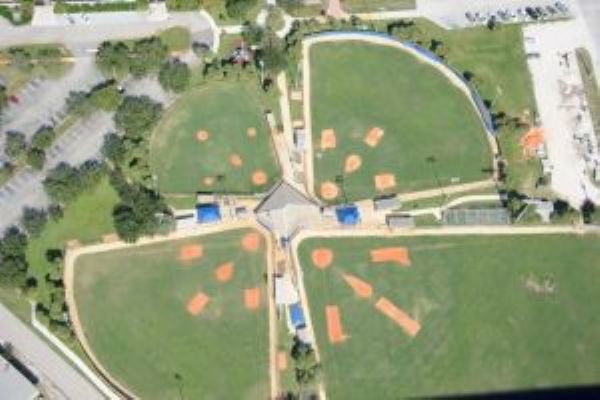
In the last article about this, I outlined why this is against statute, the Florida Constitution, and Stuart’s Comprehensive Plan. ( You can read it here )
For those who believe that once this referendum is passed, they will remain forever ballfields, all you need to do to know this is a lie is to look at the other referendum…the one Reed and Giobbi want on the ballot.
At the same meeting, the two were pushing another dream of the Boss involving the two-acre parcel on U.S. 1 where the electronic sign is located north of the bridge. The parcel was set aside in 2011 to be rented to a business on a long term lease to help defer the costs of maintaining Haney Creek Preserve. A referendum of the voters regarding this passed with about 70% of the vote.
 What this demonstrated to me is that the vote of the people is far from final. This kind of thinking results in a commission, changing the outcome of a vote by having another until they get the result they want. The ballfields are no more secure from being sold than the two-acre parcel of Haney Creek. Which is until the next referendum date.
If Collins really wanted to have the ball fields remain in perpetuity, the first step is to have his minions at the city apply for a FRDAP Grant which would provide the funds to fix up the fields. Once the grant is accepted, the local government is prohibited from selling the property and it must remain in recreation in perpetuity. It can never be sold.

One more time the Collins Machine is trying to do a favor for a friend instead of taking care of Stuart kids. Where else could the “Big Little Leagues” get the use of baseball fields to make money. If we want recreation for Stuart kids, then Stuart should own and control the fields…not outside forces with a sweetheart lease.
It is just more increased expense, corruption, and chaos wherever Collins and his Machine are in charge go.

Jeffrey Raimann, Executive Director of Talent Acquisition & HR Operations for the district, gave a brief presentation about why some teachers contracts are not renewed.
 Teachers are hired every year by signing a one-year contract to teach. It is up to the principal of the school whether their contract is renewed. If for example the teacher taught third grade last year, but because of less enrollment in the following year a teacher may be unneeded, their contract will not be renewed.
The teacher doesn’t have to have been inadequate as an educator. There just may be no place at the school. The teacher would then apply for other teaching positions at other district schools if they wanted to remain in Martin County.
This presentation by Raimann was at the request of Vice-Chair Moriarity. It was in answer to questions he had received about teacher contracts not being renewed.
A few minutes later Raimann made another presentation about teacher shortages in high-need certification areas such as Special Ed and Elementary Education. He said there are talented paraprofessionals already in the district. His question to the board was how to convert those employees into certified teachers.
In 2023 the board engaged the BloomBoard Model. They invested $255,000 to afford 15 paras the opportunity to earn their degrees and become teachers. Of the 15, 12 have earned or will earn their degrees at a cost to the district of $17,000 per para. The district was forced to absorb the amount of money of the three that did not complete the process.
With this newest iteration of Paras-to-Teachers program, instead of using a third-party vendor, Raiman was able to have a para with an associate’s degree take two years at IRSC and receive their bachelor’s and be on their way to being a teacher. The cost to the district would be $7,500 per student.
With this program, there is no contract with another organization, and no third party to run the program. Only the students and district. It also opens the program to so many more applicants because of the reduced price. A win for all.
Which brings me back to the original question about teachers who do not receive new contracts. At best we are a school district that has a steady population. We are not growing. We may have students go from a traditional school to a charter and the reverse.

Then how many of these teachers who don’t receive a new contract are excessed because of reduced classes or they weren’t wanted back for other reasons. I guess two things can be true at the same time. The Para-to-Teacher model is needed because teachers are always leaving the district regardless of why.
You can see the presentation here
There was the first look at this year’s school budget at this workshop.
Carter Morrison, Assistant Superintendent of Finance, was the presenter. He had good news on the real estate tax front. The legislature did not include school districts in their proposed amendment to increase the homestead exemptions. That would have meant millions less for local schools.
Even though the school board’s calculations will not be changed, services from the county or municipalities will if the amendment is passed in November. He gave the example of resource officers that may cost more. Something to keep in mind according to Morrison.
This presentation was more about trends than true and fast numbers. The millage allowed by the state will drop by .36 mills. That is known as the FEFP (Florida Education Finance Program) which is the primary funding formula for district school taxes. Funding is almost flat at $10,008 per uFTE (Unweighted Full Time Equivalent (student). That is $33 more than last year.
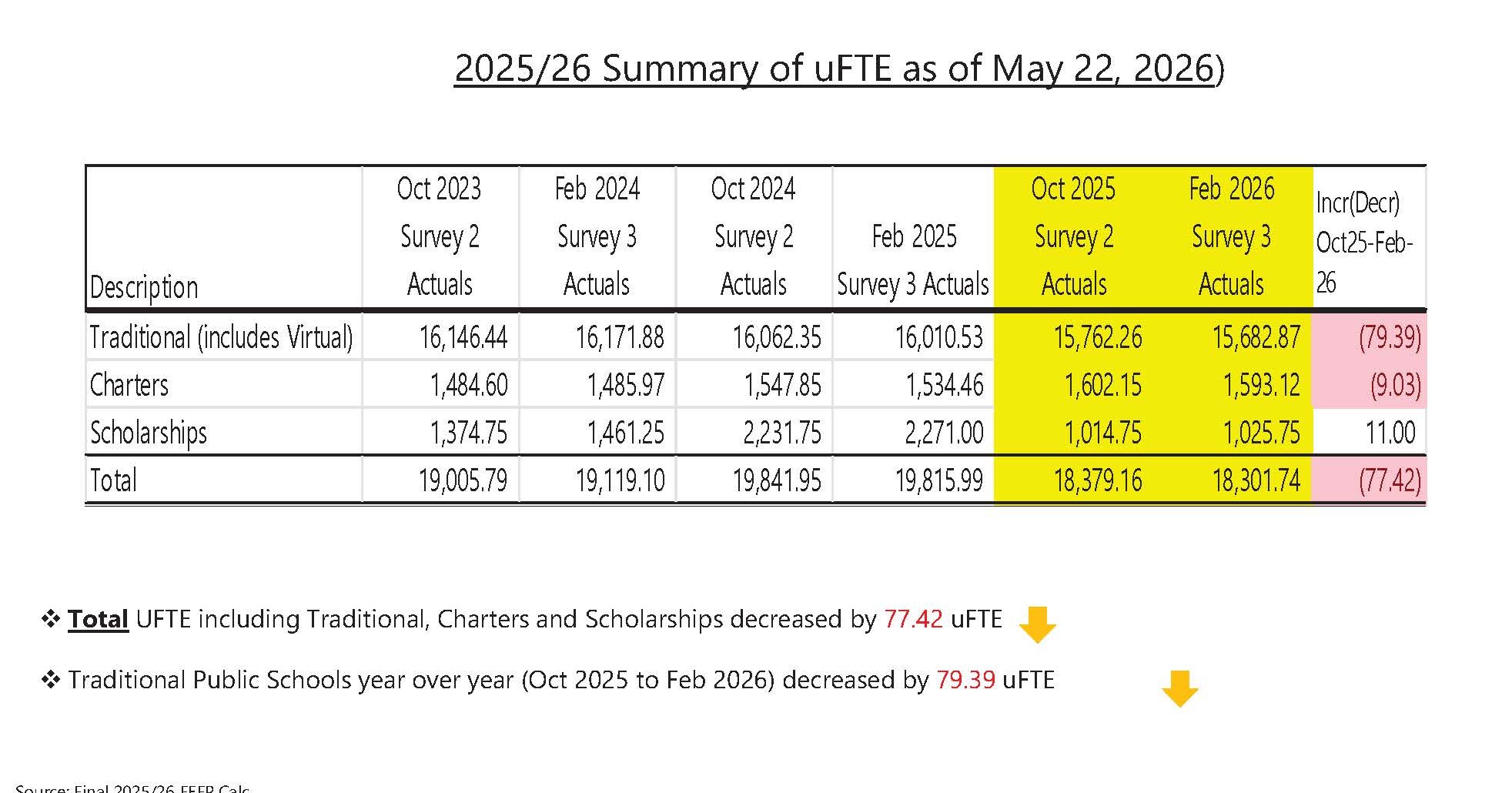
As of February, the uFTE count was 18,301.74. That is 77.42 uFTEs less in February than in October 2025 and 1,514.25 fewer than February 2025 when there were 19,815.99 Interestingly, Indiantown High School, which is a charter, only has 140.36 uFTEs. There is a good deal of cash that has been spent there for the number of students being educated.
At this point, new firm numbers have not been given yet. To see the entire presentation please go here
A lawsuit has been filed against the Village of Indiantown and Florida Power & Light Company by the Greater Indiantown Community Alliance, Inc., a None for Profit Organization (I think the attorney meant Not-For-Profit) and four property owners outside the village boundaries. They are claiming the PUD is inconsistent with the Village’s Comprehensive Plan, LDRs, and zoning practices. The plaintiffs also claim that it constitutes illegal spot zoning and creates an illegal land enclave.
I spoke with the Village Manager on Monday, and at this point they have not been served. They only know about the suit through social media.
This lawsuit has nothing to do with any data center or for that matter any particular use. It is the age-old conflict between people who want nothing to change and those who want to bring industry, jobs, and housing to the area. At one time, there was only pristine Florida wilderness. Our homes and towns were built on that virgin land…perhaps after several iterations of other uses. However, much of this particular property was last used for sugar cane farming.

Though not mentioned in the lawsuit as a plaintiff, Eric Miller, who also does not live in the village, paid the $400 filing fee to the court. He has been against any change to the area. He is the original NIMBY.
This is still in its infancy, and it has a long way to go. Will it end up being dismissed or will a full jury trial be heard? It is up to Judge Robie who caught the case. I am sure it will become expensive for the plaintiffs. Taking on FPL means you are battling many, many attorneys. They can bury the plaintiffs’ lawyers, Attorneys Cabral and Walker, in motions and depositions for a long time to come if necessary.

The statute states that attorney’s fees may apply to the loser. FPL seldom loses.
You can see the pleadings, statutes, and Mr. Miller’s receipt here
Jupiter Island had a quasi-judicial item about the new Hobe Sound Beach fire rescue pavilion. This was the end of a long process.
Martin County was requesting a variance to rebuild the station, including the public bathrooms. A problem arose because of the new dune setback line. If the county was starting from scratch now, the facility would have to be built in the beach parking lot. Fortunately for the safety of the public and Martin County residents, they were not.
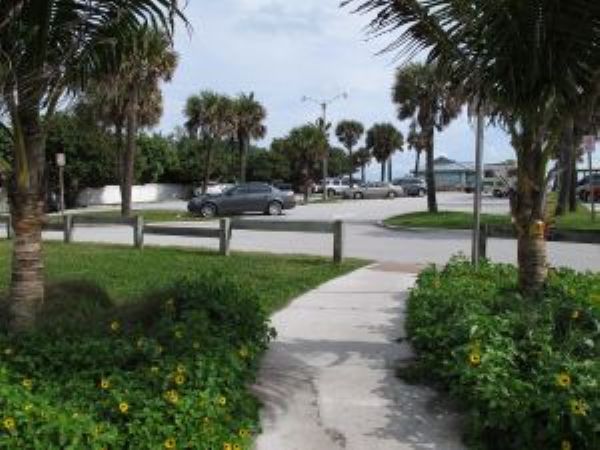
If it was at all possible, I am sure the Jupiter Island residents would love to make the Hobe Sound Beach disappear. But it is a county property given to them by the island developers in the 1940s.
It is the only county beach in south county. Hobe Sound Beach will never have a café like Stuart and Jensen Beaches. Parking will always be tight. And Hobe Sounders will always feel and be treated as interlopers by the Island.
But the beach is there, and the town commission received conditions from County Administrator Don Donaldson to allow for the hardship variance. Anne Scott did not think the county proved its case for a variance. She voted no repeatedly.
If the facility is moved to the current dune line, lifeguards would not be able to see the water. The current dune line would place the facility in the parking lot, resulting in fewer parking spaces for the public. It would also result in millions of dollars less from grant money for the Island to do things like beach renourishment. The grant dollars are tied to having a minimum of 100 parking spaces for the public beach. I guess Scott would sacrifice the money to stop the onslaught of plebians on her island.
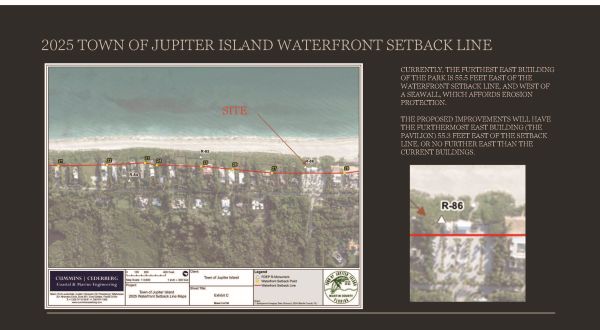
Here are a few things that the other four commissioners managed to wrangle from the county for granting the hardship variance. The county will hook up to a force main sewer line once SMRU brings it to the beach. In the interim, the county will install a new septic system. During demolition and construction, a deputy will be paid by the county to supervise the parking lot.
 Martin County has promised not to introduce parking on South Beach Road. The county will add the town as an additionally insured from the contractors doing the work. Donaldson promised to have a conversation with the commission regarding closing the beach from 12-4 a.m.
Scott voted no on whether to give a variance. She also mentioned that the entire parking lot would have to be torn up because of the LDRs even though the building official said that isn’t what the code states. There was another variance so the county would not have to do that. The vote was 3-1 with Scott voting no. To be consistent, Scott voted against the demolition permit also.
 Mayor Townsend’s final meeting was the May commission meeting which took place the day before this special meeting on May 20th.
At the April meeting, she had said she would be stepping down in May. Because of Townsend’s departure, a vacancy in the mayoralty and the commission were created. It was up to the remaining members to choose a replacement for both until the March 2027 election.
After discussion, it was decided to pick a replacement commissioner first and then mayor. There were four residents that asked to be considered: Maria Crawley-Bayazid, Truman Hobbs, Walter McCormack, and Richard O’Connell. During public comment Richard O’Connell spoke. Hobbs was present but did not. The other two were not there.
 During each of the three rounds of voting, there was a tie between Bayazid and Hobbs. Bayazid was the choice of Scott and Warner while Hobbs was the choice by Tadeo and Field. Just when it seemed to be heading for a coin toss, Truman Hobbs withdrew his name. Maria Crawley-Bayazid was then selected for Townsend’s unexpired term.
Then came the vote for mayor. Since Bayazid was not there, there were still 4 commissioners voting. Once again over three rounds the vote was split 2-2 for mayor between Field and Scott (Taddeo and Field supported Field; Scott and Warner supported Scott*).
There was again the possibility of a coin toss. Someone suggested the mayoralty be rotated monthly. Fortunately, staff prevailed on the commission convincing them that idea was not practical. It was decided to have Vice-Mayor Scott to be the acting mayor until the June meeting when five commissioners would be present to make the decision.
* A correction was made. An earlier version had Warner
How crazy is America? Look no further than our schools.
 Our wild obsession with gun rights has put our children in harm’s way in more than one way. Since there is no restraint in many of our states regarding the sale of most firearms and who can carry them, since Columbine our schools have been open to repeated massacres.

Yes, our kids have grown up with both firearms in their homes and active shooter drills in their schools. Every parent’s nightmare is that their child’s school will be the scene of a mass shooting. To protect children, we have placed an armed law enforcement officer in schools who is not necessarily trained to deal with children being children.
In many places across the country, what was once a right of passage such as a fight between classmates which would result in detention has turned into those kids being arrested by that school safety officer. Some schools will turn an offender over to the police for vaping in the restroom because they are underage with a tobacco product.
 Since Uvalde, there are now 600 school police departments in Texas. It is more than any other state. The San Antonio Express News reports that a 15-year-old was slammed onto a table by an officer for throwing a cheese straw at another student. In every part of Texas, children as young as 6 have been placed in handcuffs and arrested. One emotionally disabled child was hog tied with an electrical cord for hitting a school administrator’s leg.
 Because of our love of guns, cops who may be ill-equipped to deal with students are being asked to protect kids and then also be the school disciplinarian. In my mind, they are two incompatible jobs.
Most of us as kids did stupid things. By the time we became teenagers, what boy hadn’t fought a classmate in some silly argument. I am sure glad I only had to deal with a teacher or school administrator and not the legal system.
There is a problem not only in Texas but throughout the country. What is more important…to have some sensible restrictions on guns and gun ownership or the safety and well-being of our kids? Apparently, we have made that decision. The kids lost.
IF YOU ARE NOT A SUBSCRIBER DO SO FOR FREE HERE www.friendsandneighborsofmartincounty.com
GET THE WORD OUT
Friends and Neighbors of Martin County is your eyes and ears so that you know what is going on in Martin County’s municipal and county governments. I attempt to be informative and timely so that you may understand how your tax money is being spent. Though I go to the meetings and report back, I am no substitute for your attending meetings. Your elected officials should know what is on your mind.
Tom Campenni 772-341-7455 (c) Email: thomasfcampenni@gmail.com
Tom’s Articles
From Martin County Moments
"Treasure Coast Mall Myths"
"How Did The Stuart Chamber Become The Bad Guy"
Other Articles
The Wall Street Journal: "A Housing Bill That Would Hurt Housing"
Florida Phoenix: "Does Florida really value education"
Washington Post: "What happened when one university set out to purge 'woke' classes"
Route Fifty: "Water, electricity remain major data center concerns, survey says"
Washington Post: "Why wide-open Idaho is mandating houses on the smallest lots in America"
The New York Times: "Kassi Solberg has concerns about a proposed complex the size of 3,800 football fields, near her home. Trust us, the developer says."
The New York Times: "How to Stop the Affluent from Rigging the Housing Market"
Copyright © June 5, 2026 Friends & Neighbors of Martin County, LLC., All rights reserved.