






Tom Campenni 772-341-7455 (c) Email: thomasfcampenni@gmail.com
 There are many things we can say about what is going on in Martin County since the election. The two most interesting were the firing of managers in Indiantown and Stuart. That isn’t unusual after a change election. And for both municipalities it was a change election.
There were two central figures. Chris Collins and Mike Giardino. Collins may have lost his man in Stuart, but he was able to quickly place him in Indiantown. I wouldn’t be surprised to see Giardino at Martin County probably in a position he is completely unqualified for.
You can read about both cities in this week’s edition.
 Summer is ending. Which makes me think more of the past. As I become older, I am becoming more nostalgic about how things once were. When I was young, we were definitely poorer, had fewer material things, and were satisfied with less.
There is no argument that there are many more days in my past than in my future. I am not at death’s door but not some kid out of school either. I am ready for new adventures and have some plans for 2027 and beyond that will take me in new directions.
 Our next edition will be on September 27th. Because of my travel and vacation schedule and the holidays, in October, November, and December there will be only one issue toward the middle of the month. All our columnists will appear in the double issues.
I will continue to bring you breaking news on our Facebook page. If you want the facts instead of the hype that you get in other online sources, then you should make that a daily stop. If you can wait till our editions, then you will see all our stories in your mailbox when Friends & Neighbors goes  to press.
This week we have Clay Scherer, Andy Noble, and Stacy Ranieri along with Frank from the Humane Society and David Hafner with his farm report. We do examine the events at both Stuart and Indiantown along with Martin County.
So, sit back, enjoy, and read our latest edition.
Have a great Sunday Morning!
People my age are probably the last generation that spent considerable time at the “Movies.” Most neighborhood theaters were far from the grand old movie palaces with Moorish motifs or English castles. These were functional places that had a main level where we sat and a balcony where you could smoke. The balcony was closed during the day on Saturday which was kid day.
Saturday was usually the day when you went to the neighborhood movie house at around noon and stayed until the matrons in white nurse’s uniforms threw you out at about 6. They had to clean up the incredible filth left by a bunch of pre-adolescents before the adults arrived for their Saturday night out.
 The Saturday matinee consisted of three cartoons, such as Bugs Bunny and Daffy Duck. Then came a newsreel for about 15 minutes. Even though television was in everyone’s home by then with their 15 minutes of national nightly news, they still produced newsreels. After that, the coming attractions were shown and then finally at least two but sometimes three films.
By this time the studios had stopped making movie serials. In some theaters, they showed old serials, but you could now see them on kids TV shows. “Buck Rogers in the 25th Century” was one that I remember watching.
 One of the pictures was a western. Abbot & Costello and the Three Stooges, although on TV, still were making movies shown in theaters when I was a kid. That could be the main film while a crime drama or war movie was the third. For some reason, I remember English war movies as being shown a lot of the time. I watched some movies many times.
In the evening or on Sunday afternoon, my mother or father or even my grandmother would take us to one of the old grand movie palaces. I saw the “Wreck of the Mary Deare” one Sunday in Times Square with my father. I guess I remember it because it was the only time he took us to “Playland,” a game arcade near the theater.
My grandmother loved to go to Radio City Musical Hall. You could see a movie, The Rockettes, and a star performing. The last time I went with her, we saw Vivian Vance (Ethel Mertz on the "I Love Lucy" show) play the organ. I don’t remember the film.
I also remember taking my girlfriend there after a class in college to see Woody Allen’s “Play It Again Sam.” The last movie I saw at Radio City was on Christmas Day 1976 when my wife and I took her niece as a Christmas present to see Richard Chaimberlain in “The Slipper and The Rose” which was a Cinderella retelling.
 Many things have changed since I was a kid looking for somewhere to go on a sweltering day in the summer when air-conditioning didn’t exist and your apartment’s windows were looking out over a narrow air shaft. TV was an option but during the day between soaps and game shows, it wasn’t something I was going to watch.
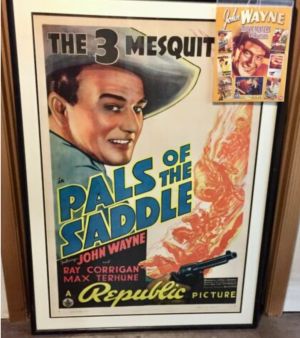
Once or twice a week you could slip away to a make-believe place that was dark and cool. You could watch scary movies at Halloween time, be a cowboy like John Wayne or see the Three Stooges poking each other in the eye. All for a quarter.
At Donald Trump’s inaugural in 2025, you would have had to look a long way to find an everyday millionaire in the crowd.
In the front row were Elon Musk the number one wealthiest man in the world at $342 billion. Others who were present were Mark Zuckerberg the second wealthiest at $216 billion, Jeff Bezos at number 3 with $215 billion and Mukesh Ambani, an Indian citizen, the 18th wealthiest person in the world, with $92.5 billion. Their rankings were at that time.

On a side note, both of Ambani’s children were born in the U.S. so they possess birthright citizenship…something that Trump has been trying to change since coming into office. Somehow, they would probably have exemptions from his policy and not lose U.S. citizenship.
All have become much wealthier except Zuckerberg since Trump has been president. Of course, the amounts may change daily depending on their stock market valuations. But none of them have become like Treasury Secretary Scott Bessent worth only $700 million.
 These attendees are the new American oligarchs. They bought themselves an American president, and they were not shy in showing him off to the world as well as joining him on center stage. They and other billionaire oligarchs like the Ellisons are now firmly on the Trump bandwagon and cannot afford to get off. That is why they are pouring hundreds of millions into the midterms to defeat Democrats.
Unlike the fate of the Russian oligarchs, the Americans ones probably won’t be sailing out of windows to their deaths or have their private planes shot down. However, they need to fear two things. Neither of them pleasant.
 One is the mercurial Trump could cut them off from government largess. “No cushy no bid government contracts for you.” The second thing is if the Democrats retake Congress, you can bet there will be hearings and probably referrals to the Justice Department for the American oligarchs first and then wait for them to roll over on Trump and his family’s corruption.
The Trump law firm known as the Justice Department likely will not act on congressional referrals but if the Democrats retake the presidency in 2028, the Trump government law firm will be no more. The oligarchs will not face two bullets to the back of the head as in Putin’s Russia, but prison is a distinct possibility.
After January President Trump will be a lame duck especially if his endorsed candidates do not win. He will truly be the old uncle yelling at the television. Even the Robert’s Court will see that reforms such as term limits and a required ethic’s code may be in their future and may decide a “Unitary Executive” is not a good thing if it is a Democrat.
Survival is a funny thing…things that seemed impossible to stop before become much more possible.
Indiantown elected new council members because the voters believed the old members wanted to encourage having data centers built in the community.
I don’t know if that is true or not, but one thing is for sure…trying to stop the construction of data centers is not good for a community’s economy or the United States in general. As I write this, I have several different browser windows open to pages which have provided me with information about this topic. Every one of my requests have gone through at least one server in one data center if not multiple ones.

A recent study by NYU Tandon School of Engineering published in “Nature Cities” examined the locations of 4,283 data centers across the U.S. and found that 97.5% sit within metropolitan or micropolitan statistical areas. That means within urban cores and their immediate surroundings. The cities where centers are located should not be surprising.
The D.C./Arlington/Alexandria area, Chicago, Dallas/Fort Worth, New York/Newark/Jersey City, and Phoenix have almost a third of all U.S. data facilities. Cities are chosen because of their electrical generation capacity. Interestingly cities designated as “Energy Communities” under a federal policy are twice as likely to contain decommissioned coal firing electrical plants. Repurposed to producing cleaner electrical power by utilities or by the centers themselves, they become an ideal place to locate data centers.
The data center operators like having IT workers nearby as well as trained electricians and other construction workers. Cities already have an abundance of people and repurposed facilities that can be used. The D.C. area alone has over 14% of all data centers.
If enough capacity could be built in these cities, then there would be no need to go to more rural areas. It just makes more sense to locate where the talent pool is. However, Florida would be a good place to have data centers after Texas.
Texas is number one because of the array of lawyers, energy executives, and engineers that can build and manage these large mega centers. Governor Abbott has announced an audit to study the feasibility of data center projects that the largest center operators have endorsed. The audit is expected to be completed right after November’s elections. That should tell you something about the politics.
Florida could also be a place where data centers could be built. It is the state’s goal to see more IT businesses move into the state, bringing their highly educated and well-paid workforce with them. Indiantown, with its new housing developments and the ability of FPL to generate enough power, is an ideal place.

And while they need more water than most other types of industries, it pales in comparison to Americans use on lawns and golf courses. According to a study for the Institute for Progress, in 2020 America’s 14,000 golf courses used 550 billion gallons of water, and in 2023 our lawns used 100 billion gallons.
If data centers go away, modern society would cease to function. From streaming a movie to cashing a check, to using Facebook, it is all dependent on data. There are ways we can make sure that the environmental as well as societal needs are met. There is no way we can say no to technology and remain competitive militarily and economically.

Artemis Ghassemzadeh was that rare Christian convert who was from Muslim Iran. She entered the U.S. from Mexico in December 2024 asking for asylum, and she was then held in a detention facility. If returned to Iran, Artemis would be labeled a blasphemer and almost certainly be executed.
In February 2025, she was placed on a flight to Panama. Her brother, also a convert, was separated from her by immigration officials when they were apprehended. He later received asylum and now lives in Texas. All I can think of is the fickle finger of fate.

But Artemis ended up first in a Panama City Hotel and was then placed in a detention facility in the Darién jungle. Finally, she was allowed to make her way back to Panama City where she began to attend a local church. She learned Spanish and found work as a dental hygienist. It looked like her hopes of reuniting with her brother would not be realized.
U.S. Congressman Yassamin Ansari, an Iranian American and Democrat from Arizona, introduced legislation that would stop expedited removal of people claiming asylum for religious persecution except if ordered by a judge. The bill failed to pass the Republican controlled House.
While there was very little chance of Ghassemzadeh being allowed in the United States, Canada does have a program for persecuted religious immigrants to gain access. She was sponsored by a Canadian couple who had previously sponsored Afghan and Ethiopian asylum seekers.
 It took some doing, but the Christian convert from a country that the U.S. is supposedly at war with, left it to our neighbor to the north to open their arms and receive her as a migrant. It is perplexing to say that the United States is a Christian nation, and then not allow Christians to seek refuge here.
We shouldn’t pretend that the Trump immigration policy is anything other than racist. When you deport Afghans who served with U.S. forces, Christians who are being persecuted, and Hattians that will almost certainly face a hell on earth by returning to Haiti, a country without even a rudimentary government, where is America’s supposed Christianity?
Racism is so ingrained in Trump that currently the only acceptable refugees are White South Africans who own 70% of the entire wealth of that country. It is so obviously ludicrous that no amount of lies by this administration can make it alright. The president and his policy are malignant and un-Christian. And cruelty is what he creates.
Have you ever thought everyone feels a certain way due to what you see on social media? Maybe it seems like everyone is excited about the same candidate, angry about the same issue, or supporting the same cause. It can be easy to assume that what we see in our social media feed represents what most people in our community believe. But there is a problem with that assumption: your social media feed was not designed to show you what everyone thinks. It was designed to show you what you are most likely to engage with.
Social media platforms use algorithms to learn what captures your attention. If you frequently watch certain videos, react to particular post types, comment on specific topics, or follow certain accounts, the platform learns from those behaviors. It then uses that information to determine what to put in front of you next. The goal is to keep you interested, engaged, and on the platform.
The result can be an information bubble. You may see more and more content that reinforces what you already believe while seeing less of the opinions, ideas, and people who disagree with you. This can create the illusion that “everyone” agrees with you or that anyone who disagrees is part of a tiny minority.
This became particularly noticeable to me following Florida’s primary election. I heard from people who were genuinely shocked that their preferred candidate had lost. They couldn't understand how the candidate's opponent could have had enough support to win because they had seen almost nothing about that opponent on social media. Your social media feed reflects your interests and online behavior; not a scientific poll of your community.
There is another reason we should be careful about relying too heavily on social media: people are different behind a keyboard and a screen. Social media encourages quick reactions, short statements and sometimes extreme opinions. Face-to-face conversations require us to listen, ask questions, and remember that there is another human being on the other side of the discussion.

That is why connecting with people in person remains so important. Talk with your neighbors. Visit with people who have different experiences and perspectives. Have conversations instead of simply reading comments. You may discover that the person you disagree with isn't nearly as different from you as their social media posts made them appear.
Your value is not determined by your social media presence. The number of followers you have, the number of likes a post receives, or whether a video goes viral does not determine your importance, your accomplishments, or your worth. Social media measures engagement. It does not measure human value.
When it comes to elections and important issues, we owe it to ourselves to look beyond the feed. Research candidates through reliable, nonpartisan sources. Read information from official election offices. Look at multiple credible news sources. Seek out organizations that explain issues rather than simply trying to persuade you. Most importantly, deliberately look outside your normal information bubble.
Social media can be a useful way to discover ideas, hear from candidates and stay connected to our communities. But it should be one source of information, not our entire information environment. Before deciding what “everyone” believes, remember: you aren't seeing the whole world. You're seeing the version of the world an algorithm believes will keep you scrolling. And when it comes to something as important as choosing our leaders, we should do more than scroll. We should seek, question, compare, verify, and talk to one another.
David Hafner’s opinions are his own and may not reflect Friends & Neighbors viewpoint.
Spaying and neutering are among the most important steps pet owners can take to ensure healthier lives for their pets and to help reduce animal overpopulation in our community. While these routine procedures may seem simple, their impact is extraordinary, benefiting individual pets, families, shelters, and countless animals in need.
Every year, thousands of animals enter our shelter, and many of these are the result of unplanned litters. A single unspayed female cat and her offspring can produce hundreds of kittens over the course of several years. Dogs can also contribute to a rapid increase in the pet population when left unaltered. By spaying or neutering pets, owners play a direct role in preventing unwanted litters and reducing the number of animals that end up homeless, abandoned, or in overcrowded shelters.
Beyond population control, spaying and neutering offer significant health benefits. Spaying female pets eliminates the risk of uterine infections and greatly reduces the likelihood of developing mammary cancer, especially when performed before the first heat cycle. Neutering male pets reduces the risk of testicular cancer and can help prevent certain prostate problems later in life. These procedures are performed by licensed veterinarians and are considered safe, routine surgeries that contribute to longer, healthier lives for pets.

Behavioral benefits are another important advantage. Neutered males are often less likely to roam in search of a mate, reducing their risk of becoming lost, injured, or involved in fights with other animals. Altered pets may also exhibit fewer hormone-driven behaviors such as urine marking or excessive vocalization. Spayed females no longer experience heat cycles, which can be stressful for both pets and their families. While every animal is unique, many owners find that spayed and neutered pets are calmer and easier to manage.
For animal shelters and rescue organizations, spaying and neutering are essential tools in the fight against pet homelessness. Every prevented litter means more resources can be directed toward animals already in need of care, medical treatment, and adoption services. Communities with higher spay and neuter rates often see fewer stray animals and lower shelter intake numbers, creating a better quality of life for both pets and people.
The Humane Society of the Treasure Coast’s Public Spay/Neuter Program is the largest low-cost spay/neuter program on the Treasure Coast. We also offer a Canine Voucher Program that provides low cost spay/neuter vouchers for dogs to be used at a private, participating veterinarian’s office.
Together, we can help create a future where every animal is wanted, cared for, and given the opportunity to live a healthy, happy life through one of the most powerful acts of responsible pet ownership.
Frank Valente's opinions are his own and may not reflect Friends & Neighbors viewpoint.
Labor Day is a slightly confusing holiday. We celebrate work by taking the day off. We honor labor with cookouts, trips to the beach, and the annual question, “Are we still allowed to wear white after Monday?” Is that even a thing in Florida?
Beneath the long weekend, however, is something worth remembering. Labor Day honors the dignity of work and the people whose labor keeps our communities going. Scripture affirms that dignity. In Genesis, God places Adam in the garden “to till it and keep it” (Genesis 2:15). Work was part of life before sin entered the picture. Apparently, even paradise had a to-do list.
Work can be good and meaningful. Through our labor, we use our gifts, care for our families, serve our neighbors, and participate in God’s ongoing care for creation. That includes far more than the work attached to a paycheck. Raising children is work. Caring for an aging parent is work. Volunteering, preparing meals, maintaining a home, and being the person everyone calls when something breaks all count too.
Our work matters to God. But here is the part we often forget: our rest matters to God as well. After six days of creation, God rested on the seventh day. God was not worn out or complaining about needing a vacation. God rested to establish a rhythm for creation. There is a time to work and a time to stop. Later, God made Sabbath part of the Ten Commandments: “Remember the sabbath day, and keep it holy” (Exodus 20:8).
That may be difficult for those of us who feel guilty when we are not doing something productive. We say we will rest when the work is finished. The problem, of course, is that the work is never finished. There is always another email, another load of laundry, another meeting to prepare for, or another home project quietly judging us from the corner. If we wait until everything is done before we rest, we will never rest.

Sabbath interrupts that cycle. It reminds us that we are human beings, not human doings. Our value does not depend on how much we accomplish, how busy we appear, or how many items we cross off a list. Before we do anything for God, we are already loved by God.
Sabbath does not have to mean sitting silently in a chair all day, unless that restores you, in which case, enjoy the chair. Sabbath may include worship, an unhurried meal, a walk, time with family, a round of golf, a good book, or an afternoon nap that lasts longer than originally intended. The point is not to create another list of rules. The point is to make room to receive life as a gift.
This Labor Day, let us give thanks for meaningful work and for the people whose labor often goes unnoticed. Let us honor teachers, caregivers, first responders, tradespeople, service workers, parents, volunteers, and everyone who helps hold our communities together.
So fire up the grill. Spend time with someone you love. Take a nap. Remember even God took a day off
Chad Fair's opinions are his own and may not reflect Friends & Neighbors viewpoint.
There’s an old saying in the marketing world that there’s no such thing as bad publicity.
Good Good Golf and Callaway might beg to differ.
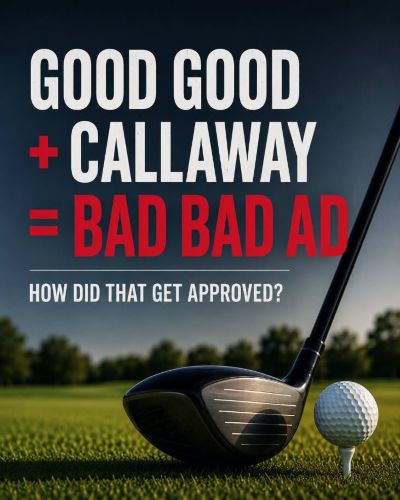 If you have no idea what Good Good Golf is, or what happened recently between the popular golf brand and Callaway, you’re not alone. I didn’t know anything about Good Good until an ad they produced went viral for all the wrong reasons.
The video was intended as a parody of the 2026 horror movie Obsession. In the video, Good Good co-founder Garrett Clark shoves fellow Good Good creator and former competitive golfer Alexis Miestowski to the ground after she reaches for his golf club . Apparently, this was supposed to be funny. It wasn’t.
My first thought was: How in the world did this get approved?
This wasn’t one guy with an iPhone making a stupid decision and hitting “post.” Somebody had the idea and then people planned it, filmed and edited it. Good Good’s marketing team saw it and approved it. Callaway’s marketing team saw it and approved it. Nobody stopped it. Interestingly, the CEOs of both companies have said they never saw the ad before it was released.
Were there women involved in those decisions? I haven’t seen that reported so I don’t know.
What I do know is that because my firm works with SafeSpace, our region’s only state-certified domestic violence center, we’re particularly sensitive about this issue. And it was easy to see that this was a spectacular failure of judgment.
The public reaction made that abundantly clear. The video was taken down, apologies came quickly and then the fallout began.
Callaway ended its relationship with Good Good. Dick’s Sporting Goods and Golf Galaxy pulled Good Good merchandise. The company withdrew as title sponsor of a PGA Tour event. A planned television series bearing its name was canceled. Members of its marketing team lost their jobs. All because of one ad.
Callaway, meanwhile, acknowledged its own role in approving the ad and pledged $1 million to organizations working to prevent violence against women.
To their credit, both companies did more than issue the obligatory corporate apology. They acknowledged their failures and took meaningful action. That matters.
But even the best crisis response can’t erase the decision that created the crisis in the first place. Somewhere inside two successful organizations, surrounded by people whose job it is to understand audiences and protect brands, this seemed like a good idea.
Until the rest of the world saw it.
I don’t believe the lesson is that brands should stop taking risks. Some of the best advertising is bold, irreverent and provocative. But there’s a difference between taking a creative risk and abandoning good judgment.
Which brings me back to that old saying. There’s no such thing as bad publicity?
 After everything that followed one ad that was supposed to make people laugh, I think Good Good and Callaway might have something to say about that.
Congratulations. You went viral.
What do you think about the ad and the fallout? Email me at stacy@fireflyforyou.com.
Click the links below for more in-depth coverage of the story from other sources:
- The original ad which has since been deleted
- CBS Evening News: Callaway, Good Good Golf in crisis as shocking ad shows man shoving woman to the ground
- NYT: How Good Good’s crash and burn is changing golf’s fascination with bro influencers
- ESPN: Good Good Golf out as PGA Tour event title sponsor amid ad backlash
- Molly McPherson Crisis Communications breakdown
Stacy Weller Ranieri's opinions are her own and may not reflect Friends & Neighbors viewpoint.
Elections have consequences. But so does what happens after them.
On August 18, voters changed the political direction of Stuart and Martin County. Four of the five races I personally hoped would go differently from the direction advocated by Christopher “Doc” Collins and his supporters did exactly that.
I was quite pleased. Others specifically weren't -
What has troubled me since is the vitriol, anger, and personal attacks directed toward candidates, elected officials, and citizens who had opposed Collins and his tactics. I've criticized Collins myself - and will continue challenging ideas and records of others when warranted. But political disagreement should not require personal hatred.

Then came Monday’s August 24th city commission meeting, swearing in new commission members Merritt Matheson, Campbell Rich, and Eula Clarke who all won their elections.
At the first Stuart City Commission meeting following the election, these three above came together and formed a new three-vote majority. That majority removed Sean Reed as Mayor approximately four months before the Commission's customary December reorganization and installed Clarke.
Later that evening, the Commission voted 3-1 to terminate City Manager Michael Giardino after only four months and pursue former City Manager Michael Mortell about returning to his previous role.
That was an extraordinary evening at City Hall.
I supported the election results producing this new majority. But supporting an outcome doesn't mean abandoning scrutiny of the process. Neither Reed's removal nor Giardino's termination appeared on the published agenda. Decisions of this magnitude deserve transparency, explanation and public confidence.
Process matters. So does accountability.
Giardino is a respected 26-year Navy veteran with significant aviation-management experience. His service deserves our gratitude. But military and airport leadership aren't municipal management. Stuart has faced substantial challenges involving audits, financial reporting, compliance and administration. Its city manager must be capable of confronting those issues immediately - not learning on the job municipal government while occupying its highest administrative position.
That makes the Commission's pursuit of Mortell especially significant.
Mortell previously served Stuart as City Attorney and City Manager and possesses something difficult to replicate: institutional knowledge. He understands Stuart's finances, compliance requirements, personnel, development issues and political history. His prior tenure gives him detailed familiarity with problems that another outsider could spend months simply learning.
Yet Mortell himself was abruptly terminated in 2025 by the previous commission majority of Collins, Laura Giobbi and Reed - a controversial decision that helped create much of the instability Stuart is now trying to correct.
Bringing him back would therefore represent more than another personnel change. It could provide an experienced, steady hand at precisely the moment Stuart needs one.
But here's the larger point.
Winning an election – or assembling three votes - doesn't automatically constitute leadership.
Developers aren't automatically villains. Environmentalists aren't obstructionists. Businesspeople aren't inherently greedy. Those advocating thoughtful growth aren't trying to destroy Martin County, and those protecting our environment aren't necessarily anti-business.
We've imported too much of Washington's ‘scorched-earth’ politics into our own hometown.
Martin County has bigger questions: How should we grow? How do we protect our waterways? Attract higher-paying employers? Keep housing attainable? Strengthen our tax base? What should Stuart look like twenty years from now?
None will be solved through traded Facebook insults.
As I’ve suggested before, maybe now is the time for the broader community brain trust I've advocated? Business leaders, environmentalists, educators, entrepreneurs, nonprofits and neighborhood advocates working across political lines?
Winning gives you power. Leadership is what you do with it.
We had an election. Someone won. Someone lost. But Martin County didn't win or lose on August 18th, 2026.
That part comes next…
Andy Noble’s opinions are his own and may not reflect Friends & Neighbors viewpoint.
In “Madness and Civilization” (1961), Michel Foucault explored the relationship between Western Civilization and how it negotiated the mentally ill. Foucault suggested that in early Renaissance Europe communities would herd the mentally ill onto ships of fools and launch them on waterways to other communities or to the mercy of divine providence. Foucault’s description is a metaphor for the identification, isolation, and containment of the mentally ill from society, without which they would create chaos and disrupt the peace and functioning of communities. Madness would become a dreaded accusation and could lead to extreme measures of containment of the disruption the mad could create.

Joan of Arc is reported to have had visions and heard voices which inspired her to military success; she was burned at the stake for the heresy of claiming to hear saints and angels endorse her leadership over an army of men. Throughout history religious zealots walked the line between heresy, madness, or being a political threat to the established order. Girolamo Savonarola was a Dominican friar in Renaissance Florence who had apocalyptic visions of divine retribution of Florence and Rome unless Italians turned away from church corruption and sin; he inspired a bonfire of the vanities to burn any material possessions which would lead to sin. He too was executed for heresy. Both Joan of Arc and Girolamo Savanarola challenged the political order, but they were eliminated through religious judgments. Historians do not agree on whether these two mystical leaders were poetic demagogues, or truly mad (and few argue for their visions and voices having been truly miraculous).
One way of understanding the success of leaders who passionately profess belief systems which seek to reorganize the public order is by the need of most people to feel membership in something larger than themselves. We all want to belong to groups which welcome and embrace us, and oftentimes these group memberships are mutually exclusive. This paradigm extends to our current historical moment. We exist in the fray of multiple overlapping, virulent, and jealous belief systems. Consider how the political far right or the far left understands the causes and solutions of mental illness and homelessness. We progressed from ships of fools to institutionalization during the 19th Century Enlightenment. We decided that it is more humane to the mentally ill and less dangerous to communities to commit the incurable mentally in asylums, later called state hospitals.

In the 20th Century, Americans and Europeans embraced progressivism and the desire to correct the historical restraints on the freedoms and liberties of the mentally ill. John F. Kennedy’s Community Mental Health Act of 1963 provided funding for services so that the chronically and severely mentally ill (SMI) could live in every community; prior to this, 1 in 300 Americans were institutionalized in state psychiatric hospitals; by 1980, the number of Americans institutionalized dropped by 75%. The ethic embraced was to not isolate and remove the mentally ill from public spaces and to allow them to take part in society. In principle this would be ideal, but the results have been less than ideal. The most recent official estimate of homelessness in the US by the Department of Housing and Urban Development (2025) was 745,652; HUD further estimates that up to 30% of the homeless are SMI and up to 45% have substance use disorders (SUD), so that up to 75% of the homeless are either SMI or have SUD. It is also estimated that up to 50% of the SMI have substance use disorder comorbidities which exacerbate the primary psychiatric diagnosis and make treatment and integration into societal fabric even more difficult.
The definition of a severe mental illness is the inability to manage life independently due to psychosis or severe mood disorder which is treatment resistant or not in remission due to poor treatment compliance. Unfortunately, it is fair to say that 75% of the homeless have had difficulty keeping the benefits afforded to them through federal and state programs due to SMI and SUD. We now have the greater metropolitan areas of the US struggling to manage homelessness with little success, much to the chagrin of progressives. Michael Shellenberger’s “San Fransicko: Why Progressives Ruin Cities” (2021) investigated the failure of decriminalization, deinstitutionalization, and idealistic policies like “housing first” which provided housing to the homeless who were actively using substances. Shellenberger argues that recovery and accountability should be the backbone of policy more than simply harm reduction which passively reinforces SUD behaviors. Also, the non-compliant SMI will remain psychotic and unable to negotiate life without involuntary treatment in the community. Forty-eight states and DC have statutes for community involuntary medication of the SMI, but these statutes are seldom enforced due to the disapproval of progressives. Shellenberger posits that we have gone from de-institutionalization to trans-institutionalization with many of those who would otherwise be in a psychiatric institution eventually end up incarcerated. Homelessness in large American cities has become a ship of political inconvenience. Addressing the problem of the severely mentally ill, chronic substance use disorders, and homelessness with probity and pragmatism may represent a political third rail. The greatest obstacle is not funding; the problem is the lack of meaningful and enforceable policy, as no politician or policy maker wants to be in the same league as a Joan of Arc or a Girolamo Savanarola.
Dr. Louis Velazquez’s opinions are his own and may not reflect Friends & Neighbors viewpoint.
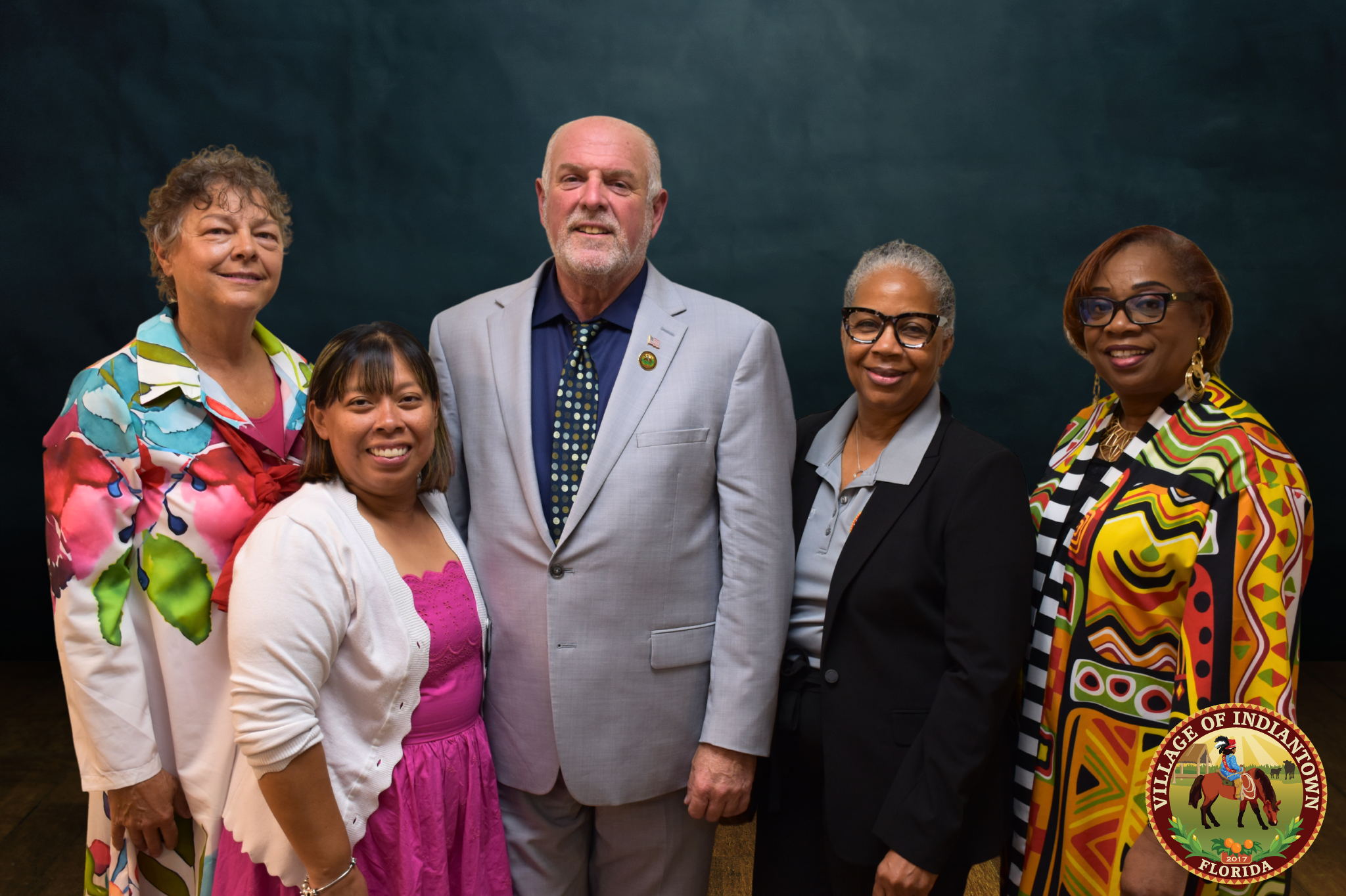
We are into the next cohort of Commissioners in the City of Stuart. Voters re-elected two incumbent commissioners and chose a new one for the previously vacant third seat. Those three along with the other two existing commissioners make up our new commission. It’s a new team. As Bill Belichik has always said, even one new member of a team, makes it whole new team. I’m sure there will be some settling out to be done, but like everyone else I have spoken to, I am looking forward to less drama and more dry, boring commission meetings. The city’s business is straight forward. Meetings shouldn’t be five hours with lots of theatrics.  Commissioners should conduct exhaustive research and do their homework prior to the meetings. If you can’t do it in two hours, you aren’t doing it right, in my opinion. I mean citizens are busy. And if you want them to be able to participate, meetings need to be fast paced, brutally objective, and process loyal. It’s not rocket science.
Regarding campaigns and behaviors, I wanted to share a couple of observations from the last few weeks. As expected, social media played a role. How impactful or not is open for debate, but what is not open for debate in my view, is whether the impact it made was positive or negative. It was all negative in my view. To this day, I don’t understand why people use or participate in social media. Most of it is absolutely toxic and turns your brain into mashed potatoes. For clarity, as I’ve indicated previously, I refer here to nonsense social media. I realize businesses have legitimate, forthright uses online including web sites and even what some may call social media.
 Several people I know (who are also voters) asked me about some of the candidates. After some discussion, they asked about what they interpreted as critical or negative information about the candidates on social media. To this inquiry, I simply asked, “…did it sound or read as crazy, or offensive, or sensationalist?”. Then it’s probably not true. And did you consider the source? The fact that several folks I know had to be led to factual information about the candidates from reliable sources, confirms to me the impact which dishonest information on social media can have. Of course this is why the dark powers behind it use it. Catching eyeballs = clicks. Clicks = influence and money from advertisers/influencers. If we know this, why do people still believe it?....
While reading some newspaper coverage just after the election, commissioner Campbell Rich was noted as being the lone candidate not having a social media presence during the campaign. And he won his election by a slim margin. Does this foreshadow the future? Will the only way to win elections in the future be by incorporating social media? Wait until the bots basically run the show online. I think I will stick to talking to candidates directly, reviewing their qualifications, and confirming they know something which to bring to the table.
The most important observation I made over the last couple weeks was also related to Commissioner Rich. According to another newspaper article, commissioner Rich knocked on a lot of doors during the campaign.  Assuming he has at least some smarts about campaigns, he was probably knocking on doors at residences where frequent voters reside. He was quoted as saying that an overwhelming majority of residents he spoke to were in favor of a train station in Stuart. If true, this is super important. This means that a majority of our citizens who are civically engaged, want a train station. I realize there remain many moving parts to us actually getting a train station, but I am encouraged that a majority of our most informed citizenry supports a station. I would start using it tomorrow if it were here. I just hope the dark powers behind social media don’t pollute the minds of enough of our residents to lead us in the wrong direction.
Clay Scherer's opinions are his own and may not reflect Friends & Neighbors viewpoint.
Water connects all of Martin County.
It moves through our farms and ranchlands, our neighborhoods, creeks and wetlands, the St. Lucie River and the Indian River Lagoon. What happens on the land can ultimately affect the water we all depend on.
And when we talk about the health of our waterways, agriculture is often part of the conversation.
Sometimes, it gets much of the blame.
The truth is more complicated.
Agriculture can contribute nitrogen and phosphorus to canals, rivers and other waterways. In excess, those nutrients can harm water quality. That’s why it matters how farms and ranches manage water, fertilizer and other nutrients.
But agriculture isn’t the only source.
Stormwater runoff, septic systems, wastewater and other human activities also contribute nutrients to our waterways. And in Martin County, our water challenges are further complicated by a long history of canals, drainage systems and changes to the natural flow of water throughout South Florida.
There is no single cause. And there is no single solution.
That’s one reason Florida has developed agricultural Best Management Practices, commonly known as BMPs. These practices are designed to help farmers and ranchers manage water, fertilizer and other resources more efficiently while reducing impacts to water quality.
Improved irrigation, water storage, conservation, new technologies and better nutrient management can all be part of the effort.
Are they enough? What’s working? What can work better? And what role should agriculture play as Martin County continues working to improve the health of the St. Lucie River and Indian River Lagoon?
Those are questions worth asking.
Too often, conversations about water become arguments about who is to blame. Agriculture. Development. Septic systems. Lake Okeechobee. Government.
Pointing fingers may be easy. Understanding how all these pieces fit together is harder.
And a lot more useful.
That’s the idea behind this year’s 9th Annual Farm City Luncheon: Rooted in Water – From Farm to Lagoon, presented by One Martin in partnership with the Martin County Farm Bureau.
On November 19, farmers, ranchers, environmental and community leaders, business owners and residents will come together to learn more about how BMPs, conservation and innovation are helping to reduce impacts on our waterways.
The goal isn’t to defend agriculture or blame it. It’s to better understand its role. Because improving the health of our rivers and lagoon is too important, and too complicated, to reduce to one culprit or one solution.
Sometimes the best place to start is just getting people with different perspectives in the same room, sharing information and asking questions. And that’s what we hope to do.
To purchase tickets, become a sponsor or learn more about the Farm City Luncheon, visit https://www.onemartin.org/farmcity/

Rick Hartman’s opinions are his own and may not reflect Friends & Neighbors viewpoint.
As we head into September, United Way of Martin County has been asked to participate in the September 11th Bridge Walk with Martin County Fire Rescue. Please look for our volunteers as they assist with parking and passing out water to support this meaningful community event.
As we remember the 25th anniversary of one of the most horrific days in American history, I hope each of us can take a moment to reflect on how we can bring more goodness and kindness into our daily lives.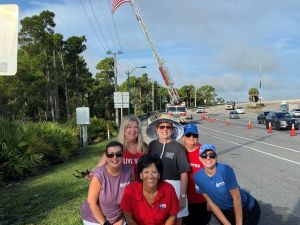
I will never forget where I was on September 11, 2001. I was training future Loaned Executives—individuals who would be working “on loan” from their companies to assist with the United Way campaign. That morning, we all learned together what was happening in our country.
In the days and months that followed, our country came together around a common purpose. Kindness, compassion and respect for one another were at the forefront. It didn't matter what your political beliefs, religion, race, orientation or gender were. We were Americans, and we came together.
I don't know about all of you, but I want that for our country—and our community—again.
It should not take a tragedy to remind us that we all want what is good for our neighbors and our communities. Each of us has the opportunity every day to choose kindness, extend grace and do something good for someone else.
Speaking of goodness and kindness, Martin County recently lost one of the most generous philanthropists I have ever had the honor and privilege to know.
Robert Weissman—Bob to those who knew him—was a community champion, philanthropist and all-around good guy. Bob passed away on August 23rd, leaving behind a legacy that will continue to impact Martin County and communities far beyond.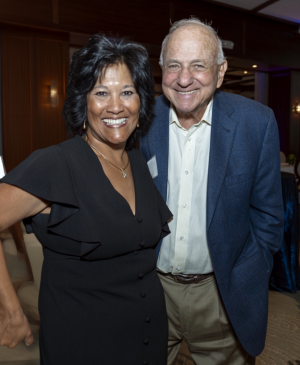
If you met Bob on the street, you might never have known the extraordinary impact he had on so many lives. He came from humble beginnings and, alongside his family, helped build a company that he and his brother would eventually take over and sell. Yet Bob never forgot where he came from or the importance of giving back.
If you look across Martin County and beyond, you will see the names Bob and Carol Weissman on buildings and organizations they generously supported. Their philanthropy has touched countless lives.
For United Way, Bob was the first philanthropist to pledge—and fully pay—a one-million-dollar gift to the United Way of Martin County Foundation. His vision and generosity inspired others. Today, because of the Foundation he helped make possible, we are able to provide our first gifts to invest directly back into our community.
The last time I spoke with Bob, I thanked him for his vision and generous spirit and updated him on what we were able to accomplish this year with the interest and dividends earned through the Foundation. One gift supported the community impact fund which supports our partner agencies of United Way, while another helped invest in a new Meals on Wheels truck for our community, which was unveiled on August 27th.
His response was simple: “Carol, I am at the age where you can't take it with you, and I am grateful for the life I have had.”
I remember ending our conversation by asking if he might consider helping with another project we are working on in the future. His response came with one caveat:
“As long as I am here, I am in.”
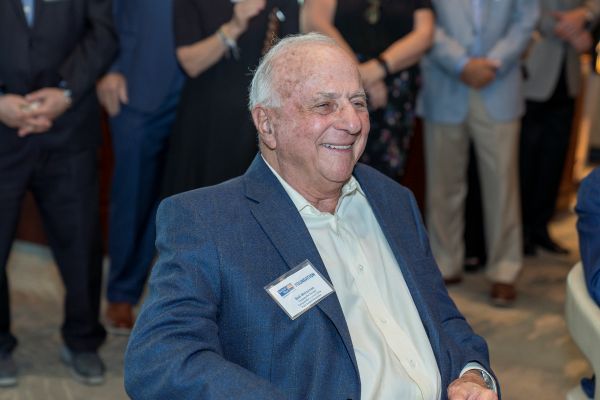
Bob, because of your lifetime of generosity, your vision and your love for this community, you will always be “in”—and you will always be here in Martin County and beyond.
Rest in peace, my friend.
For more information on United Way of Martin County, please go to our website at www.unitedwaymartin.org or call our office at 772-283-4800.
Carol Houwaart-Diez’s opinions are her own and may not reflect Friends & Neighbors viewpoint.
In my role as Interim CEO & Chief Program Officer for Helping People Succeed, I have the privilege of seeing what can happen when children and families receive the right support at the right time. Some of the most meaningful examples begin very early in a child’s life.
The first five years are an extraordinary period of growth. Children are learning to communicate, move, play, interact with others, solve problems and understand the world around them. While every child develops at their own pace, these early years also provide an important opportunity to identify when a child may need a little extra support.
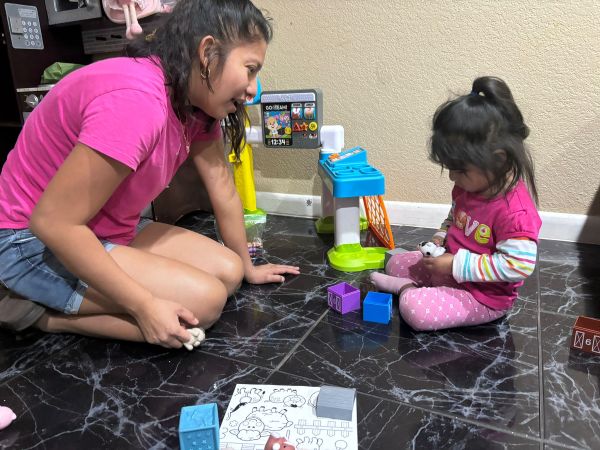
That is where early intervention can make such a difference.
Sometimes parents are the first to notice something. Maybe their child isn’t using as many words as other children their age. Perhaps they aren’t meeting certain developmental milestones, have difficulty interacting with others, or respond to situations differently than expected. Other times, a pediatrician, childcare provider or preschool teacher may raise a question.
For parents, hearing that your child may benefit from a developmental screening or additional support can understandably bring questions and uncertainty. But identifying a potential delay isn’t about putting a label on a child. It is about understanding their individual strengths and needs and giving them the best possible opportunity to thrive.
At Helping People Succeed, we have been supporting children and families on the Treasure Coast for more than 60 years. Our early childhood programs work alongside parents and caregivers to help young children build skills in areas such as communication, motor development, social-emotional development, cognition and self-help.
Just as importantly, we help parents understand how they can support their child’s development during everyday life.

Some of the most powerful learning opportunities don’t happen in a classroom or therapy room. They happen while getting dressed in the morning, eating dinner together, playing on the floor, reading a bedtime story or taking a trip to the grocery store. When parents are given practical strategies they can incorporate into those everyday moments, they become an important part of their child’s progress.
Early intervention also helps connect families to additional resources when they are needed. Navigating developmental concerns can be overwhelming, particularly when parents don’t know where to begin. Having someone who can answer questions, provide guidance and connect a family with screenings, evaluations or other community services can make that journey much easier.
One message I hope parents remember is this: you don’t have to wait until you are certain there is a problem to ask a question. If you’re wondering about your child’s development, ask. Talk with your pediatrician. Speak with your child’s teacher or childcare provider. Seek out a developmental screening. Sometimes the answer will simply provide reassurance. Other times, it may open the door to services that can make an important difference.
At Helping People Succeed, we believe every child deserves the opportunity to reach their fullest potential. And sometimes, helping them get there begins with something very simple: noticing, asking and starting early.
Christine Storm's opinions are her own and may not reflect Friends & Neighbors viewpoint.
Cleveland Clinic Martin Health has been expanding gynecologic services for women of all ages on the Treasure Coast. We’ve brought in specialists in advanced pelvic surgery and urogynecology, and we offer cancer screening and treatments that address women’s health needs in Martin County.
During Gynecologic Cancer Awareness Month in September, we’re reminded of the needs and urgency for these services. According to the American Cancer Society, about 106,000 women in the U.S. are diagnosed each year with a reproductive cancer, including:
- Ovarian cancer
- Uterine cancer
- Cervical cancer
- Vulvar cancer
Important facts to know:
- Every 6 minutes, someone is diagnosed with gynecologic cancer.
- There are 5 main types of gynecologic cancer, and most do not have early screening tests.
- Uterine cancer is the most common, followed by cervical and ovarian cancer.
- Early detection can save lives, but symptoms are often overlooked.
What is a gynecologic oncologist?
A gynecologic oncologist is a physician who first completes training in obstetrics and gynecology, then receives an additional three to four years of specialized training in gynecologic cancers. This advanced training includes expertise in complex surgical techniques and chemotherapy administration.
These specialists are uniquely qualified to diagnose and treat cancers of the female reproductive system with skill, precision and compassion.
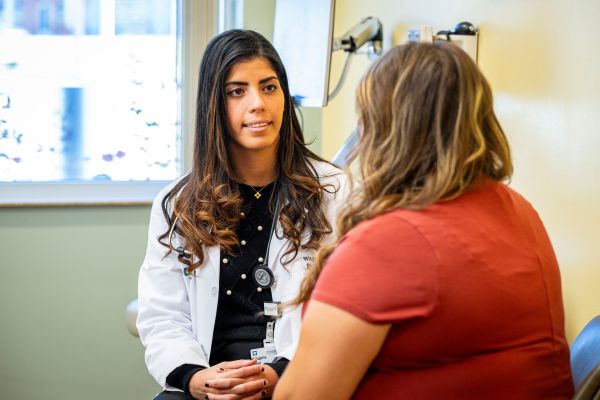
Comprehensive gynecologic care
Our department also treats a wide range of common benign gynecologic conditions, including:
- Abnormal uterine bleeding and amenorrhea (missed periods)
- Contraceptive care
- Adenomyosis
- Adhesions and abdominal pain
- Bladder and vaginal prolapse
- Abnormal Pap smears and cervicitis
- Adult women’s healthcare
- Uterine fibroids
- Urogynecology and urinary incontinence
- Female infertility
- Chronic vulvar and vaginal infections and irritation
Women have unique healthcare needs at every age and stage of life. At Cleveland Clinic, you’ll find comprehensive care from an experienced, compassionate team dedicated to supporting your health and well-being.
From South Florida to the Treasure Coast, our specialists provide expert care in general gynecology, oncology, advanced surgery and urogynecology.
Expert care for gynecologic cancer
Facing gynecologic cancer can feel overwhelming, but you do not have to go through it alone. Our multidisciplinary team, including oncologists and surgeons, works together to create a personalized treatment plan centered on you and your needs.
With world-class expertise and a compassionate approach, we are here to help you understand your options, access advanced treatments and move forward with confidence.
This Gynecologic Oncology Awareness Month, remember that early detection can improve the chances of successful treatment. Paying attention to symptoms and seeking care promptly can make a meaningful difference.
Learn more about treatment options and meet Cleveland Clinic Martin Health gynecologic oncology specialists.
Dr. Chirag Choudhary's opinions are his own and may not reflect Friends & Neighbors viewpoint.
When you spend an hour picking up litter in your neighborhood, along a roadway, or at the beach, you are making a difference. Every bottle, wrapper, cigarette butt and piece of trash you remove is one less piece of litter in our environment. We truly appreciate the time and effort you give to keeping Martin County beautiful.
But there is one more step we need your help with: reporting what you found.
It may seem like a small thing, but cleanup data can tell a much bigger story. When you report the types and amounts of litter collected, that information helps us understand what is ending up in our community and where.
For cleanups connected to the International Coastal Cleanup, local data becomes part of a much larger picture. Information collected by volunteers around the world helps scientists, conservation organizations, governments and other organizations better understand litter and develop solutions.
Your cleanup data also helps us here in Martin County. By seeing which types of litter show up most often, we can identify trends, focus education and outreach efforts, and help target campaigns toward the behaviors and sources contributing most to the problem.
So while picking up the litter is the most visible part of a cleanup, reporting what you collected is what helps us turn that effort into action.
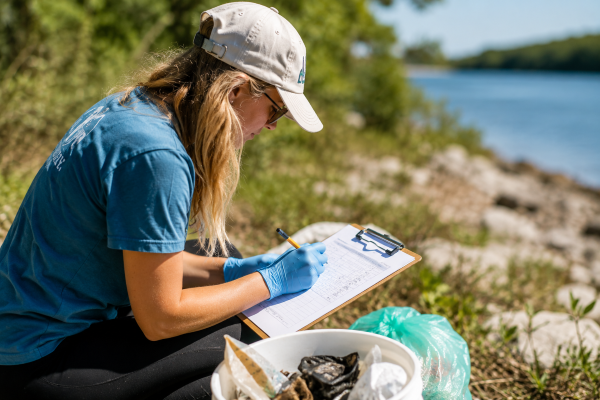
We know we can do a better job of capturing this information, and we are asking our volunteers to help us make data reporting part of every cleanup.
It is easy to report your results! You can use our paper cleanup data card to record what you find or submit your results online using our Clean Up Report Form.
The next time you organize or participate in a cleanup, remember: Do not just pick it up. Tell us what you found. Your efforts will help make Martin County cleaner today and give us the information we need to create a cleaner tomorrow.
To learn more about Keep Martin Beautiful visit, keepmartinbeautiful.org.
Tiffany Kincaid's opinions are her own and may not reflect Friends & Neighbors viewpoint.
Think about the last time you called a business and your call went unanswered. Did you leave a voicemail? Maybe. Did you call back? Perhaps. Or did you simply move on to the next company that could help you?
People have become impatient. People have also become finicky. They will complain if they can’t talk to a real person, but they will also complain if they have to leave a message and often don’t.
Yet every missed call represents a missed opportunity. Maybe it’s a new customer or an existing client looking for information, support or an appointment. In today's world, If they can't reach you, there's a good chance they'll reach out to someone else.
 Here’s the rub, small and medium-sized businesses simply can't staff their phones 24 hours a day. Owners and employees are already juggling countless responsibilities. Hiring staff to answer phones after hours, on weekends, or during busy periods doesn’t make economic sense. Yet customer expectations continue to rise.
This is where technology is beginning to reshape the people communicate.
We are seeing the rise of what I call the "24/7 business." With advancements in AI, the tools are there to answer calls, respond to common questions, schedule appointments, collect information from callers, and ensure that every inquiry receives attention—even when the office is closed.
The goal isn't to replace people. The goal is to support them.
AI as a highly efficient assistant that never sleeps, never takes a lunch break, and never forgets to answer the phone. It can handle repetitive tasks, gather information, and route a caller appropriately. Your team then gets to focus on doing what they do best.
For business, this means increased efficiency, better customer experiences, and fewer missed opportunities. For customers, it means receiving help when they need it rather than waiting until the next business day.
 And here is where the rubber meets the road. The most exciting part is that this technology is no longer reserved for large corporations with massive budgets. Modern AI solutions are accessible, making it possible for the local business to leverage these tools at an affordable cost.
The businesses that embrace innovation will be better positioned to compete and grow. The companies that succeed will be those that combine the efficiency of technology with the personal touch that customers value most.
Are you and your business going to adopt a new way to communicate with your customers?
It’s your choice but in a world where customers expect immediate service, the businesses that never miss a call may ultimately be the businesses that win.
Eric Kiehn’s opinions are his own and may not reflect Friends & Neighbors viewpoint.
One of life’s simple pleasures is sitting on the porch as a storm rolls in.
There’s a certain brightness to the plants, as if the chlorophyll is working double time before the deluge, generating as much energy as possible before their much-needed drink.
It’s been quite rumbly and sparky here this past week, a response to advisory-inducing heat we’ve had.
It starts with a gathering of puffy white cumulus clouds. Inconspicuous at first, they thicken and darken without warning.
Often, rumbling precedes the rain. Thunder that rattles windows, the aftershocks of electricity sparked from the clouds. That’s the real danger— and magic— of the storm.
Lightning is an example of how nature seeks balance. It occurs when the difference in electrical charges in a cloud, positive or negative, become too great causing the insulating air to break down. The flash of lightning temporarily equalizes the charge.

Even the best Fourth of July display has nothing on a single bolt of electricity. The air explodes outward, heating to 50,000 degrees Fahrenheit— hotter than surface of the sun— before the shockwaves set in with an ear-splitting sound like oversized tinfoil ripped in two.
Thunder is caused by lightning, the rumbling heard up to 25 miles away from the strike. Likely further if you’re near the ocean, for the water carries the sound of warning further and faster than the land.
You can figure out how far away a storm is. Sound travels approximately one fifth of a mile per second, so if you count the seconds from the time you see the flash of lighting to the sound of rolling thunder and divide that number by 5, you’ll have number of miles away the storm is.
If it’s an immediate flash and clap, it’s way past time to get inside.
Weather apps can be helpful, but you never know if a storm is going to hit until it actually does. Even the best radar can be wrong, and often our own judgement is required. The sky darkens. The breeze comes up, dropping the temperature twenty degrees in half as many minutes. You know it’s close now.
To quote Will Smith, “rainstorms ain’t nothing to mess with,” but holy cow are they amazing to witness, ideally from a porch as the bottom drops out of the sky.
If you have history, articles, insight, a comment to share, or want to grab a coffee and chat more, I’d love to hear from you. My email is: howdy@karagracemuzia.com. Please reach out.
Kara Grace Muzia's opinions are her own and may not reflect Friends & Neighbors viewpoint.
Falls are one of the leading causes of injury and loss of independence among older adults. For seniors, a fall can be a life-altering event - sometimes even life-ending. However, with awareness, education, and proactive measures, many falls are preventable.
Understanding the Risk Factors
As we age, our bodies and minds undergo changes that increase the likelihood of falling. These risk factors include:
- Physical Decline: Muscle weakness, especially in the lower body, poor balance, and reduced flexibility make walking and standing more hazardous. Vision problems, such as poor depth perception or the use of bifocals, can also contribute.
- Cognitive Impairment and Chronic Diseases: Though many of us already realize the risk of falls with chronic diseases such as diabetes and heart disease, it is important to understand that conditions like Alzheimer’s Disease and other forms of dementia which are prevalent in areas like the Treasure Coast increase fall risk due to confusion, disorientation, and impaired judgment.
- Medication Side Effects: Seniors often take multiple prescriptions, statistics show anyone who takes three or more medications are at high risk of falls. Sleep aids or anti-anxiety medications—can cause dizziness, drowsiness, or impaired coordination and will increase the risk even more. Nighttime bathroom trips combined with these effects and poor lighting create a dangerous scenario.

- Psychological Factors: Fear of falling can lead to reduced activity, which in turn weakens muscles and balance. This fear becomes a self-fulfilling prophecy.
- Hydration and Nutrition: Mild dehydration can cause dizziness, headaches, and confusion. Poor nutrition also affects strength and energy levels.
- Environmental Hazards: Cluttered pathways, slippery floors, and even beloved pets - especially small dogs - can become tripping hazards.
Preserving Independence and Quality of Life
Preventing falls is not just about avoiding injury - it’s about maintaining dignity, independence, and quality of life. Here are key strategies to reduce fall risk:
Home Safety Improvements
- Conduct a professional home safety assessment. Medicare covers a safety assessment by an occupational therapist when medically necessary and prescribed by the Primary Care Physician.
- Remove clutter and ensure clear pathways.
- Install grab bars in bathrooms and stairways.
- Use non-slip mats and night lights.
- Avoid step stools and ladders.
- Consider toilet risers and walk-in showers or tubs.
Exercise and Physical Therapy
- Engage in regular walking and strength-building exercises.
- Focus on lower body and core strength.
- Seek physical therapy if mobility is limited.
Assistive Devices
- Use walkers, canes, and other mobility aids as needed.
- Ensure shoes fit properly and provide good support.

Evidence-Based Workshops
The Area Agency on Aging of Palm Beach/Treasure Coast offers a variety of programs proven to reduce fall risk:
- A Matter of Balance
- Tai Chi/Tai Ji Quan: Moving for Better Balance
- Walk with Ease
- Bingocize (combines exercise with fun)
Know Us Before You Need Us
The Area Agency on Aging is dedicated to promoting the well-being and independence of seniors, adults with disabilities, and their caregivers. We offer resources, support, and advocacy to help you live safely and independently.
📞 Helpline: 1-866-684-5885
Dwight D. Chenette's opinions are his own and may not reflect Friends & Neighbors viewpoint.
Every day in Martin County, the American Red Cross is able to respond, support, and serve because of the dedication of local volunteers and the strength of our community partnerships. We are deeply grateful for the volunteers, donors, first responders, businesses, and community leaders who stand beside us as partners in mission. Together, we help families recover from home fires, prepare for disasters, support service members and veterans, and strengthen the resilience of our communities.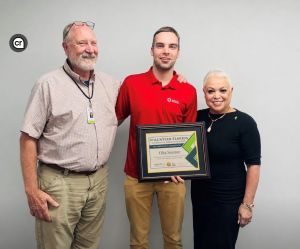
As we move through another South Florida summer, we remain mindful of the unique challenges our communities face, including extreme heat, severe weather, and other emergencies. Whether supporting community events, responding to disasters, or assisting neighbors in need, safety remains our highest priority. We encourage everyone to stay hydrated, take regular breaks, watch for signs of heat-related illness, and look out for one another.
At the same time, we continue strengthening readiness across Martin County through fire department outreach, Disaster Action Team preparedness, community mobilization efforts, and preparedness education. These relationships help ensure the Red Cross is there when our neighbors need us most. This September, our team will proudly join Martin County Fire Rescue and community partners in the annual 9/11 Memorial Bridge Walk, honoring those lost and recognizing the service and sacrifice of first responders.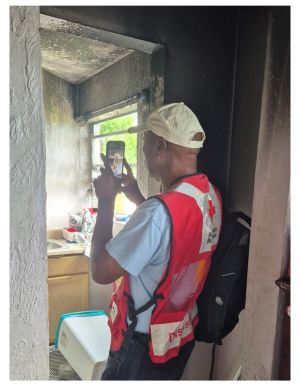
Over the past year, Red Cross volunteers responded to 14 home fires and other local disasters in Martin County, assisting 24 residents affected by emergencies. These responses provided immediate relief, recovery support, and hope to families facing some of their most difficult moments. These services are only possible because of dedicated volunteers willing to step forward when help is needed most. With your help, we can do even more.
To meet the growing needs of our community, we need to bolster our volunteer workforce in Martin County. Training, resources, and ongoing support are provided for every volunteer role, ensuring individuals have the knowledge and confidence to make a meaningful impact.
Current volunteer leadership opportunities include:
- Regional Disaster Action Team (DAT) Lead
- Regional Onboarding & Placement Program Lead
- Regional Readiness Lead
- Regional Training Lead
Our volunteers make an impact far beyond our local community. During July and August alone, more than 50 volunteers and staff from the South Florida Region deployed across the United States and the Pacific to support disaster operations and help communities facing emergencies.
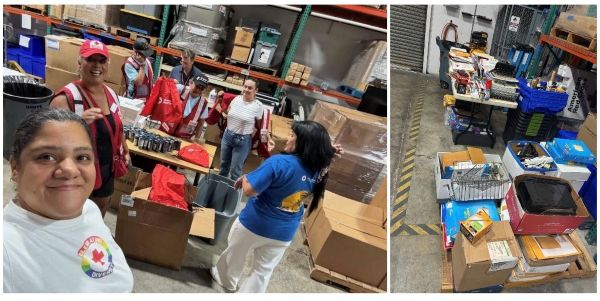
Stay Prepared. Stay Connected. Stay Involved in Martin County.
A strong, prepared Martin County starts with neighbors helping neighbors. The American Red Cross is actively working to strengthen our local volunteer workforce so that trained, compassionate volunteers are ready to respond when disasters strike, families experience home fires, or communities need support.
Whether your passion is disaster response, volunteer leadership, preparedness education, or supporting community events, there is an opportunity for you to serve right here in Martin County.
Join Us in Making a Difference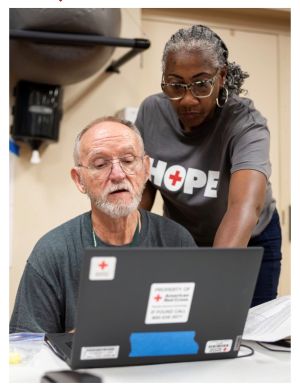
Virtual Volunteer Information Session (Open House):
When: Second Wednesday of every month | 5:30 – 6:30 p.m. | Held via Microsoft Teams
Register: https://www.redcross.org/local/florida/south-florida/volunteer.html
Get Involved: Become a Red Cross Volunteer
Together, we can ensure that Martin County has a strong, well-trained, and locally positioned volunteer workforce ready to respond at a moment's notice, provide comfort and hope during times of crisis, and support families affected by home fires, hurricanes, and other emergencies. With your help, we can do even more to strengthen the safety, preparedness, and resilience of Martin County.
Traci Mitchell's opinions are her own and may not reflect Friends & Neighbors viewpoint.
We are mourning so many heroes these days. A recent column in the Palm Beach Post was a tribute to Hayden Panettiere and what she meant to her age cohort. Excuse me! I’m in my 70’s now and I cheered as that wonderful young actress saved the world repeatedly. That show birthed many of the actors we still enjoy today.
 I am so tired of writers mining their actors’ trauma for story folder. As a long-time soap opera fan, I am familiar with this writing technique. Susan Seaforth Hayes’ mother was a writer for the show. Many of her storylines were ripped right from Susan’s life and her soon to be husband, Bill Hayes. Since Susan never had children, all the children’s names are from Doug’s actual children, and those names are still worn by characters on Days of our Lives.
 Even though Luke and Laurel of General Hospital were the supercouple of the day, it was Dog and Julie on the cover of a 1976 Time magazine cover story “Soap Operas: Sex and Suffering in the Afternoon.” And boy do these characters suffer. Demon possession, returns from the dead and who’s in all those pods???
Currently there is a show about teenage serial killers but hey it’s got a killer soundtrack, and it’s filled with nepo babies. And people think I am shallow cause I watch soaps.
The writers used Hayden’s trauma to mold her character, and now she’s dead.
Rest in peace sweet child. Thank you for saving the world.
Nicki van Vonno’s opinions are her own and may not reflect Friends & Neighbors viewpoint.
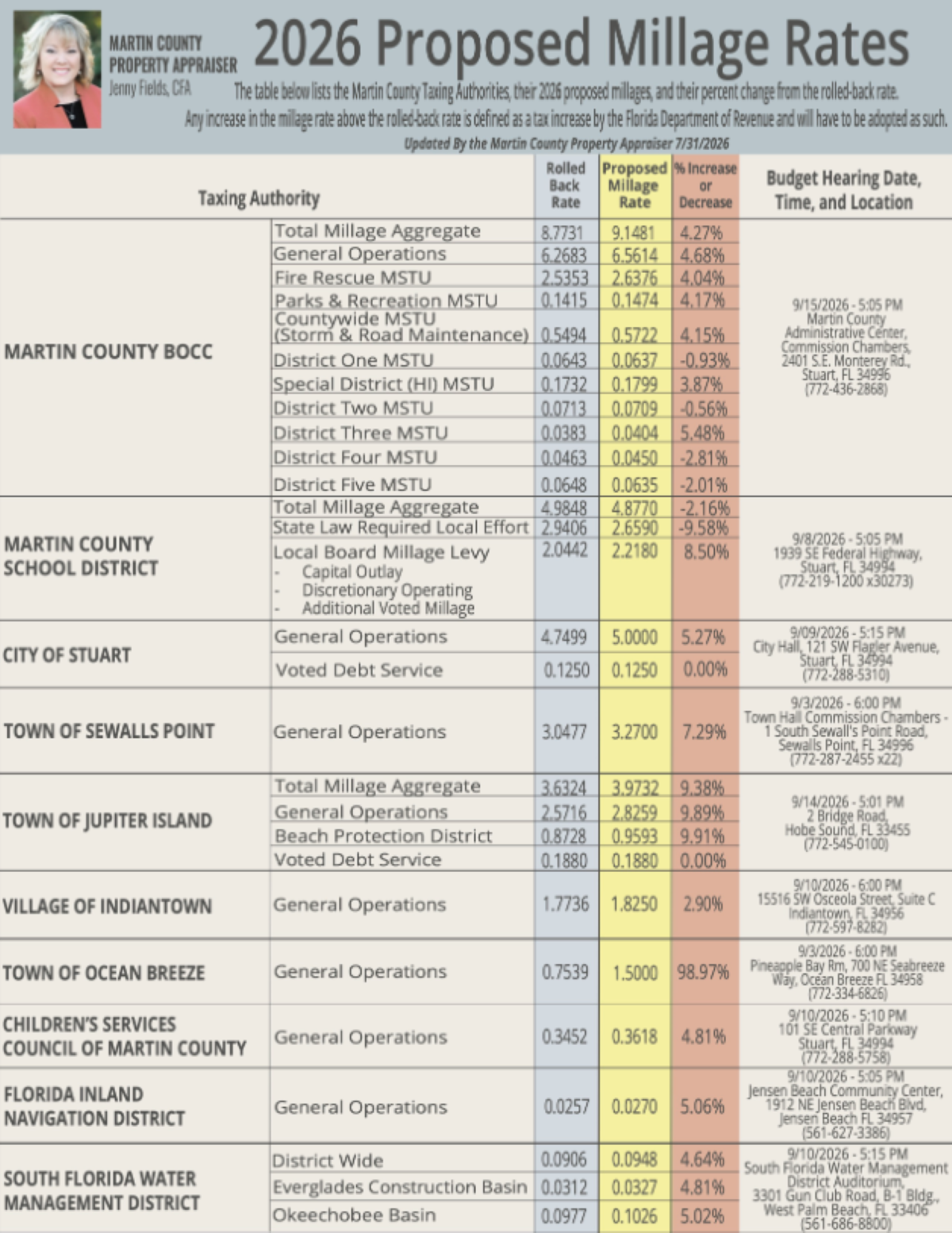
Martin County’s ten (10) Taxing Authorities (who levy property taxes against your property) have submitted their 2026 proposed millage tax rates. Soon they will hold PUBLIC HEARINGS to adopt their budgets and their proposed tax rates. The purpose of the PUBLIC HEARINGS is to answer any questions from the public PRIOR TO TAKING FINAL ACTION. Once the proposed rates are adopted, they will be used to calculate your final property taxes that will be reflected on your November tax bill
The handout below illustrates the 2026 proposed millage rates and their percent change from the rolled-back rate. Any increase in the millage rate above the rolled-back rate is defined as a tax increase by the Florida Department of Revenue and will have to be adopted as such.

t's the end of August and school at Banner Lake Academy is in full swing! We now educate 90 students grades K-5! With new students comes new staff and we're excited to welcome them to the Banner Lake family. We are also looking forward to our new building addition as well. This new wing will house more classrooms and additional space for students and staff!
At Banner Lake Academy, students are currently in the middle of MAP testing. They've also started their specials classes, including Art, STEAM, Soccer, and PE. Curriculum Night is coming up on Wednesday, September 9th.
Banner Lake Connects
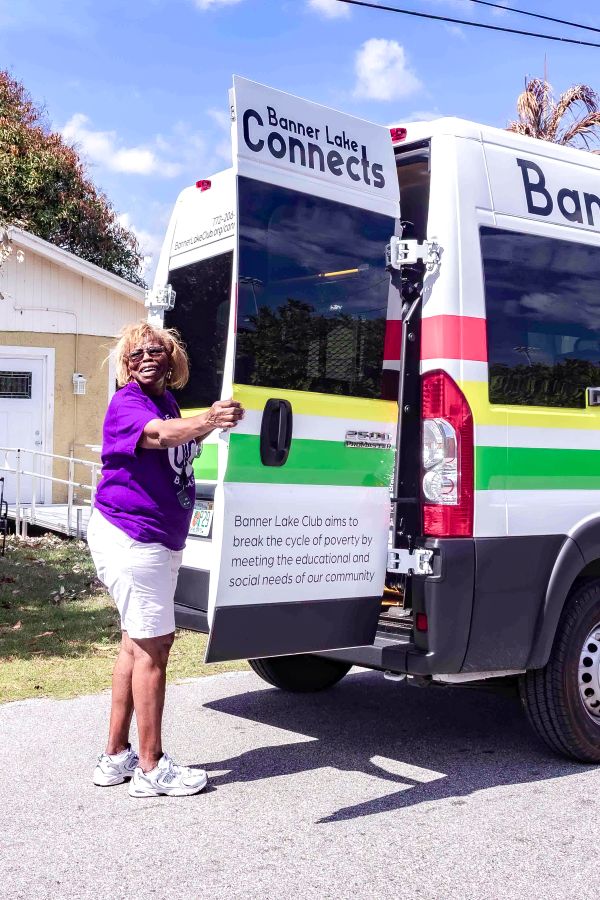
For the seniors of BLC, the Banner Lake Connects Van took some very important trips this month. Geraldine, our Connects driver, drove several seniors to the polls as part of Souls to the Polls, a wonderful program that provides transportation to seniors in our community who need help getting to early voting.
Banner Lake Hero
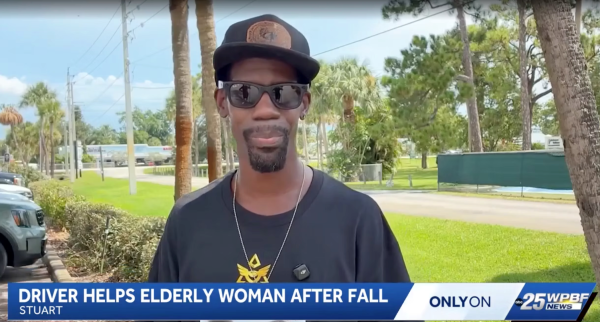
Our new bus driver, Ryan Carter, stepped up to help an elderly woman in distress. While driving home from work, Ryan noticed her lying on the ground, stopped, helped her up, and made sure she got home safely. Thankfully, she's okay thanks to Ryan's quick thinking and kindness. Thank you, Ryan!
Banner Lake Back to School Day
Despite the rain, we had a great time! Students and families came out to pick up book bags, gently used clothing, and shoes ahead of the first week of school.
By the end of the day, we handed out 200 book bags to students in our community. Families also selected from 70 pounds of donated clothing, including 40 pairs of shoes and 175 pieces of clothing.

A huge thank you to everyone who donated, volunteered, and showed up despite the weather! It made a real difference for our students. They're ready to start the year looking and feeling their best!
Community Partner Tours
Banner Lake Club's next Community Partner Tour is September 24th, 2026. If you are a business in the community looking to help support those around you, call or visit our website to book a tour of our campus!
Contact Emily Mass at 772-545-0953 ext. 151

Martin County Earns MVP Trophy in 2025–26 Florida FAFSA Challenge
Education Foundation of Martin County and Martin County School District partnership helps boost FAFSA completion by 4.8 percentage points, making Martin County the top-performing district on the Treasure Coast
STUART, Fla. — Martin County School District has been awarded the MVP Trophy for the 2025–26 Florida FAFSA Challenge, recognizing the district’s outstanding progress in helping graduating seniors complete the Free Application for Federal Student Aid (FAFSA) and access opportunities for education beyond high school.
The achievement reflects a two-year collaborative effort spearheaded by the Education Foundation of Martin County (EFMC) through the Consortium of Florida Education Foundations' Building College & Career Readiness Grant secured by the Foundation. EFMC Career Champions, including local community partners, foundation, school and district staff worked to increase FAFSA awareness, provide hands-on assistance to students and families, and remove barriers to completing this important step toward postsecondary education.
At South Fork High School, Advancement Via Individual Determination (AVID) teacher Jennifer Morreale helped lead the on-campus effort, playing an instrumental role in encouraging and assisting students with FAFSA completion and helping them understand the financial resources available to continue their education after high school.
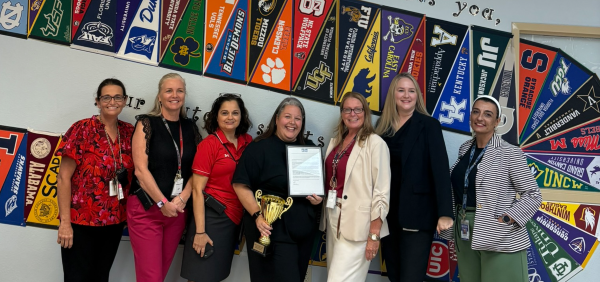 Jamie Herd-Tesson, South Fork High School (SFHS) assistant principal; Lori Desreuisseau, SFHS assistant principal; Jaime Thompson, SFHS principal; Jennifer Morreale, SFHS AVID teacher; Kathleen Wonnell, SFHS assistant principal; Lisa Rhodes, Education Foundation of Martin County (EFMC) executive director; and Lana Barros, Martin County School District (MCSD) coordinator of college and career readiness.
The results were significant. Martin County’s overall FAFSA completion rate increased by 4.8 percentage points during the 2025–26 school year, making Martin County the top-performing district on the Treasure Coast and surpassing the project’s goals.
“This recognition is a wonderful example of what can happen when our schools and community work together around a shared goal,” said Lisa Rhodes, executive director of the Education Foundation of Martin County. “Completing the FAFSA can open doors for students who may not otherwise realize that college, technical education or other opportunities after high school are within their reach. We are incredibly proud of our educators, Career Champions and community partners who worked together to help more Martin County students take that important next step.”
“We are honored to receive the MVP Trophy, but the real winners are our graduates,” said Lana Barros, MCSD coordinator of College & Career Readiness. “Every effort we make to expand access to education beyond high school graduation creates new possibilities for young people. When we open doors to opportunity, we help shape brighter futures for generations to come.”
FAFSA completion is an important predictor of whether students continue their education after high school, particularly for students from low-income families. By helping more students complete the FAFSA, this collaborative effort is opening doors to grants, scholarships, work-study opportunities and other forms of financial aid that can make college, technical education and other postsecondary pathways more attainable.
The Florida FAFSA Challenge MVP recognition demonstrates what can be accomplished when educators, schools, businesses and community partners work together toward a common goal: helping Martin County students access opportunities beyond high school and take the next step toward a successful future.
About the Education Foundation of Martin County
The Education Foundation of Martin County (EFMC) is the Martin County School District’s strategic nonprofit partner, with a mission to enrich and enhance educational opportunities and support for students and teachers in Martin County’s public schools. As an independent 501(c)(3) nonprofit organization, EFMC works in partnership with the school district, educators, businesses, foundations and community supporters to connect resources with educational needs and provide opportunities beyond what traditional education funding can support. The Foundation raises and distributes private and corporate funds through established programs and initiatives, including classroom enrichment grants, literacy and STEAM (Science, Technology, Engineering, Arts & Math) programs, college and career readiness initiatives, professional development and support for teachers, scholarships, special initiatives, and programs recognizing outstanding teaching. Through these efforts and strategic community partnerships, EFMC helps students succeed and teachers thrive. For more information, visit www.EducationFoundationMC.org


Dancing with the Martin Stars 2026 Set to Dazzle the Audience and Raise Funds for Martin County Healthy Start Coalition
Stuart, Fla. – After months of rigorous rehearsals, costume fittings, and fun fundraising events, the curtain will soon go up on this year’s Dancing with the Martin Stars, presented by Martin County Healthy Start Coalition.
This is the 15th anniversary of the event, and it promises to be spectacular.
On September 26, eight community members will trade in their everyday shoes for dance shoes and take the stage at the Lyric Theatre in Stuart at 7 p.m. They’ll show the results of their training with seasoned professionals to master dances like the mambo, cha-cha, and waltz. This will be their opportunity to delight the audience and impress the judges.
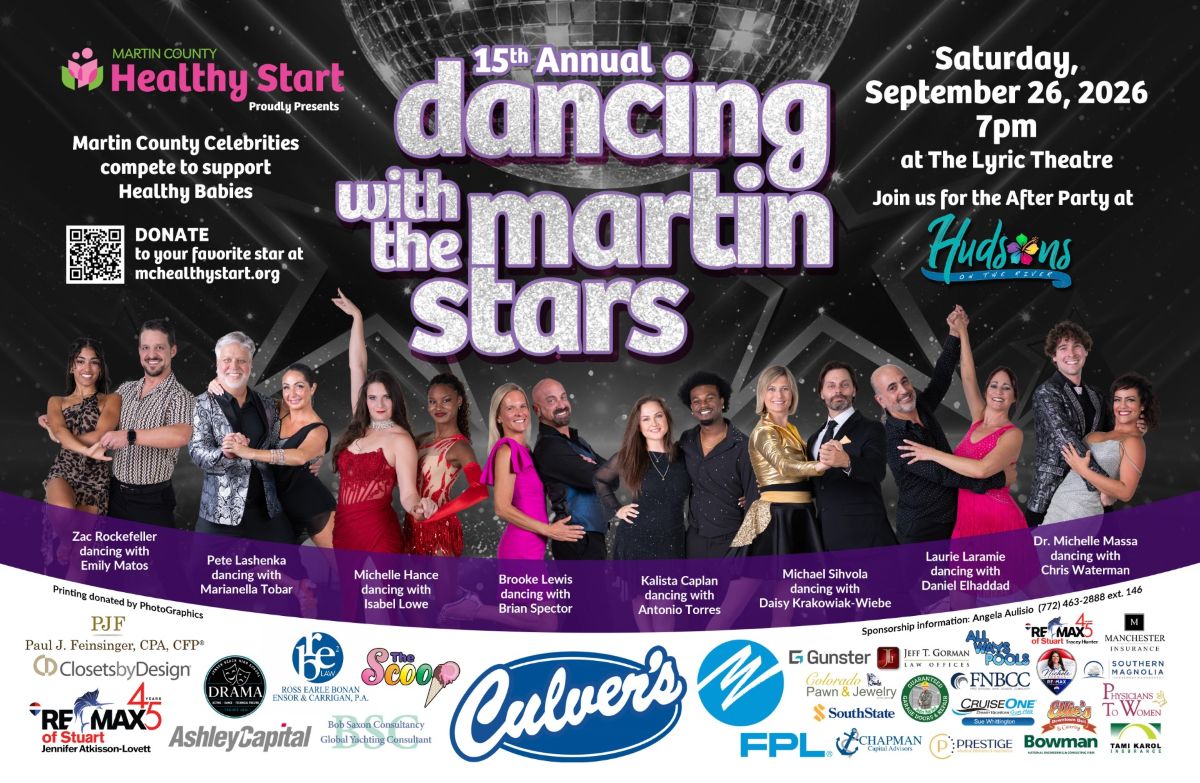
It’s a friendly but intense competition for bragging rights. It’s also the signature fundraiser for Martin County Healthy Start Coalition and its vision: every baby born healthy, every mother supported, and every father involved.
“This event is always great fun for everyone involved,” said Martin County Healthy Start CEO Samantha Suffich. “The dancers are amazing, and their fans in the audience make the excitement contagious. But the event also has a very serious purpose: to raise funds to support our work.”
Suffich noted the additional strain on expectant mothers since the nearest labor and delivery hospital unit closed last year. In response, the Martin County Healthy Start Coalition is working to create the Treasure Coast Maternity Center, a community-based birthing center in Martin County.
“The funds our dancers raise will support our ongoing prenatal programs, including our MOM Mobile that takes prenatal care into vulnerable neighborhoods. They will also help us move forward on our campaign for the Treasure Coast Maternity Center,” Suffich said.
This year’s dancers and their professional partners are Michelle Hance with Isabel Lowe, Laurie Laramie with Daniel Elhaddad, Brooke Lewis with Brian Spector, Kalista Kaplan with Antonio Torres, Dr. Michelle Massa with Chris Waterman, Zac Rockefeller with Emily Matos, Pete Lashenka with Marianella Tobar, and Michael Sihvola with Daisy Krakowiak-Wiebe.
A leaderboard on the Martin County Healthy Start Coalition website measures the progress each dancer is making toward individual fundraising goals and the overall event goal of $200,000.
“We’re in awe of the energy and commitment that every dancer has brought to the challenge,” Suffich says. “We encourage everyone to get behind them, enjoy the show, and support maternity care in Martin County.”
Major sponsors for 2026 include Shaun & Paul Feinsinger, Bob Saxon, Jensen Beach High School Drama, The Scoop, Ross Earle Bonan Ensor & Carrigan PA, Treasure Coast Ashley Capital, Closets by Design of Palm Beach and the Treasure Coast, REMAX of Stuart, Paul J. Feinsinger, CPA, CFPA, Florida Power & Light, and Culver’s.
Dancing with the Martin Stars is always a sold-out event. To reserve a ticket, go to the Lyric Theatre’s website, https://www.lyrictheatre.com/show/11986-dancing-with-the-martin-stars. There’s still time to support a dancer. Make donations at https://fundraise.givesmart.com/vf/DWMS26.
About Martin County Healthy Start Coalition
Martin County Healthy Start is a nonprofit organization dedicated to ensuring that every baby is born healthy. It provides educational and health services to pregnant women, new mothers and their families at no cost, particularly expectant mothers who are at risk for late or no prenatal care.
Part of a statewide coalition, Healthy Start connects pregnant women and young mothers with essential services including prenatal care, home visitations by a nurse or social worker, breastfeeding support, parenting education, car seat and sleeping safety, a free diaper pantry, and access to other community partner agencies. The David Cardno Fatherhood Initiative, also part of the Martin County Healthy Start Coalition, helps fathers to become more involved in parenting and offers legal assistance to fathers who are separated from their children.
The programs of Martin County Healthy Start Coalition are voluntary and available to all Florida residents at no cost.
For more information about Martin County Healthy Start Coalition and its ongoing programs, visit www.mchealthystart.org, call 772-463-2888 or follow the organization on Facebook.


Treasure Coast – Every day, children in our community face unimaginable hardships—abuse, neglect, instability, and isolation. For more than four decades, Hibiscus Children’s Center has been a lifeline for thousands of children and families, providing safety, healing, and the chance for a brighter future.
Through residential care, counseling, and wraparound family support, Hibiscus is committed to helping children heal and thrive. This is only possible with the compassion and generosity of our community. Support for the Hibiscus Annual Fund Campaign does more than sustain programs—it transforms lives. Your contributions provide safety and love for children in our care, fund trauma-informed therapy, and deliver vital services that keep families together.
 Liam’s story is a powerful reminder of the impact Hibiscus has. At just seven years old, Liam had endured more than most adults will in a lifetime. His home was unsafe. His voice was unheard. But when Liam came to the Tilton Family Children’s Shelter, everything began to change. Surrounded by caring staff, a safe environment, and consistent counseling, Liam began to smile again. He learned to trust and to hope.
Every child deserves the chance to feel safe, loved, and valued. The Annual Fund Campaign makes that possible for children like Liam, and for so many others still waiting for their own turning point. The need is
urgent and countless children are still searching for safety and stability. Together, the community can help Hibiscus rewrite children’s stories with hope, healing, and love—ensuring brighter tomorrows for every child.
To learn more about Hibiscus and to support the Annual Fund Campaign, please visit HibiscusChildrensCenter.org or call Michelle King, CDO, at 561-452-5791. Thank you for your support!

Hobe Sound Nature Center Introduces New Weekly Museum Programs
The Hobe Sound Nature Center is excited to introduce a new lineup of FREE weekly museum programs, offering visitors more opportunities to discover Florida's wildlife and ecosystems through fun, engaging, and educational experiences throughout the week.
WHO: The Hobe Sound Nature Center
WHAT: New Weekly Museum Programs
WHEN: Weekly throughout the year
WHERE: Hobe Sound Nature Center
Each week, visitors can enjoy a variety of programs featuring wildlife ambassadors, hands-on learning, and opportunities to discover the fascinating animals and ecosystems found throughout Florida.
Sunday: Snake Brunch – 12:30 PM
Slither on over each week to watch our snakes enjoy a tasty treat while discovering their cool secrets and stealthy mealtime moves.
Monday: Turtle Time – 10:00 AM
Get to know our shelled friends! Soak up some sunshine with our turtle ambassadors and learn about their stories, diets, and habitats.
Tuesday: Bug Buddies – 10:00 AM
Creepy, crawly, and surprisingly cool! Explore how these tiny creatures survive, adapt, and play an important role in our ecosystems.
Wednesday: Tales & Scales – 10:00 AM
Meet our resident baby alligators up close and discover what makes these incredible reptiles such fascinating survivors.
Thursday: Bubbles & Bites – 10:00 AM
Splash into the morning and watch our fishy friends gobble up their breakfast while learning amazing facts about local aquatic habitats.
Friday: Nature's Nook Storytime – 10:00 AM, September–May
Step into a world of wonder with lively nature tales, joyful songs, playful dances, and a chance to meet our resident wildlife.
These weekly programs are designed to make environmental education accessible, engaging, and fun for visitors of all ages. Through opportunities to observe wildlife ambassadors and connect with knowledgeable Nature Center educators, guests can build a deeper appreciation for Florida's incredible wildlife and ecosystems.
All weekly museum programs are FREE and take place at the Hobe Sound Nature Center. For more information and program updates, please visit:
https://hobesoundnaturecenter.org/
About the Hobe Sound Nature Center
The Hobe Sound Nature Center is a 501(c)(3) non-profit organization that works in cooperation with the Nathaniel P. Reed Hobe Sound National Wildlife Refuge to educate and inspire people of all ages about South Florida’s critical habitats and wildlife.
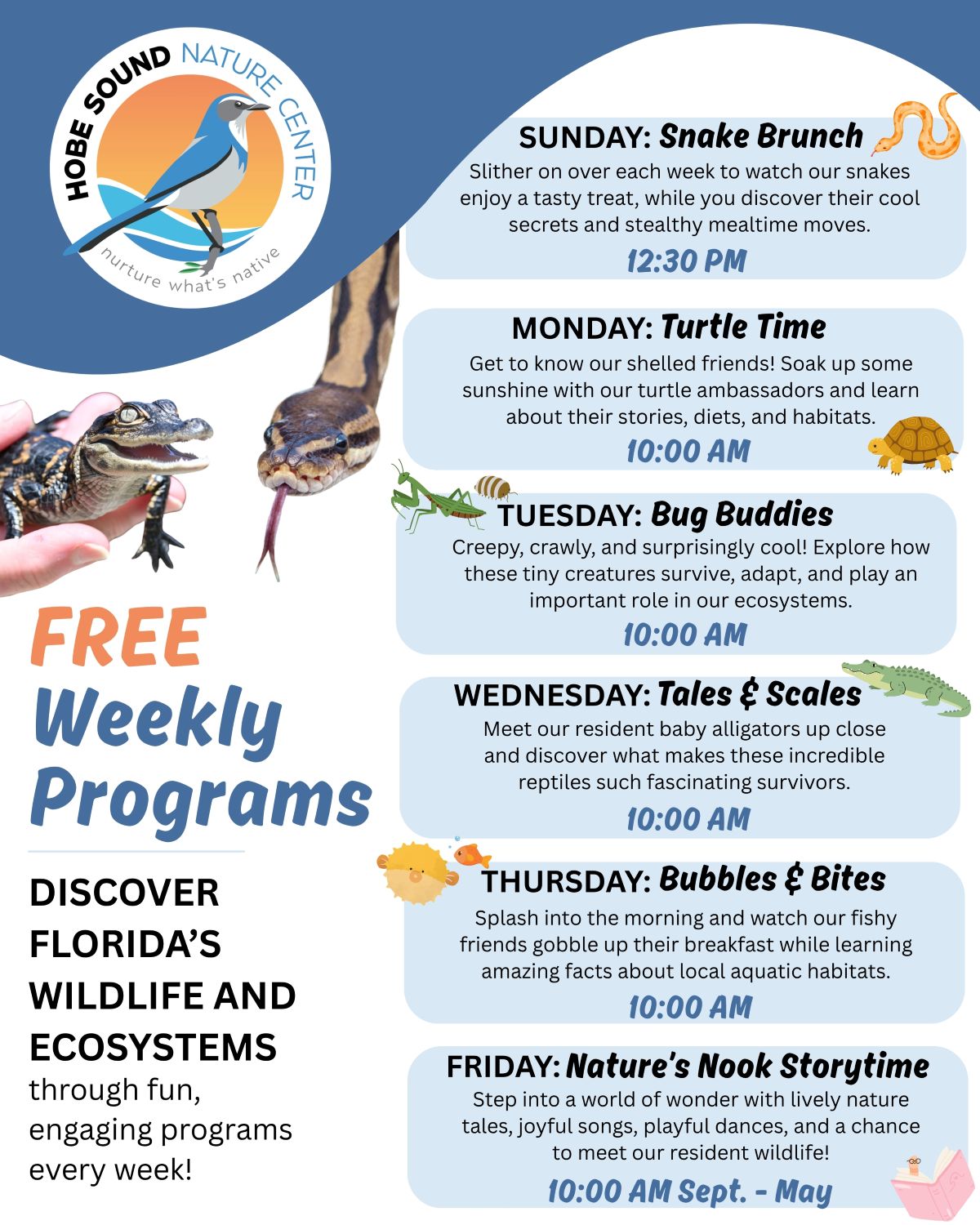

Alpert Jewish Family Service Opens Neil S. Hirsch TMS Center in West Palm Beach
New center offers FDA-cleared, non-invasive Transcranial Magnetic Stimulation (TMS) treatment
for adults with depression, depression with anxiety, and obsessive-compulsive disorder
who have not found adequate relief through medication or psychotherapy
WEST PALM BEACH, Fla. — September 3, 2026 — Alpert Jewish Family Service (Alpert JFS) announced today the opening of the Neil S. Hirsch TMS Center in West Palm Beach, expanding access to Transcranial Magnetic Stimulation (TMS). TMS is an FDA-cleared, non-invasive treatment for adults with depression, depression with anxiety, or obsessive-compulsive disorder (OCD) whose symptoms have not adequately improved with standard treatments such as medication and psychotherapy.
TMS uses brief, focused magnetic pulses to stimulate the areas of the brain associated with mood regulation, which tend to show reduced activity in people with depression and OCD. There is no surgery, no anesthesia, and no systemic medication involved, and patients remain awake and alert throughout each session. A full course runs about 36 sessions over roughly six weeks, and patients can drive themselves to and from treatment. The FDA cleared TMS for depression in 2008, for depression with co-occurring anxiety in 2022, and for OCD in 2022 as an adjunct used alongside medication. In published studies, 50% to 66% of patients with treatment-resistant depression see a significant reduction in symptoms and about one-third reach full remission. [Sources: NNDC and Clinical TMS Society consensus review, 2024; Sackeim et al., Journal of Affective Disorders, 2020.]
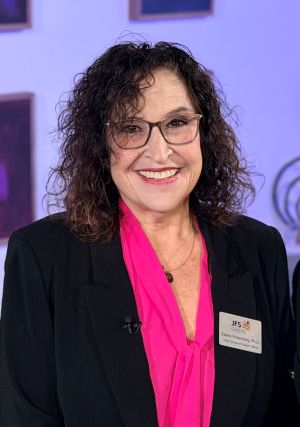 “Too often, people struggling with mental health challenges like depression have lost hope and think that they will never feel better. Perhaps they have tried several medications that don’t seem to work, or they can't tolerate the side effects,” said Dr. Elaine Rotenberg, Chief Clinical and Strategy Officer at Alpert JFS. “TMS gives us another door to open, a new opportunity to be hopeful. For many patients, it’s the first treatment that’s actually worked.”
TMS differs from electroconvulsive therapy (ECT) in several important ways. It does not require sedation or anesthesia. TMS is also not associated with the memory loss that can occur with ECT. The most common side effect is mild discomfort at or near the treatment site, which typically lessens after the first week of treatment.
The Neil S. Hirsch TMS Center, which will serve adults across the Palm Beaches, sits inside the organization's broader continuum of mental health care, meaning patients who start TMS also have access to Alpert JFS counseling, support groups, and case management services. As a nonprofit serving Palm Beach County since 1974, Alpert JFS prioritizes need and works to keep cost from standing between someone and TMS treatment. Most insurance is accepted and a sliding fee scale is available.
The Neil S. Hirsch TMS Center was made possible by a generous donation from the Neil S. Hirsch Foundation through the Foundation for the Advancement of Clinical TMS. Alpert JFS is only the third nonprofit in the country to receive a grant of this kind from the Foundation for the Advancement of Clinical TMS
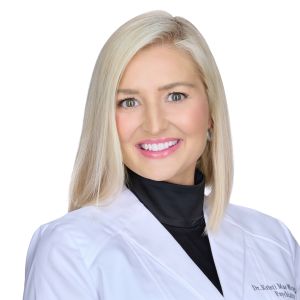 “Most of the people who reach us have been trying to feel better for years, and a lot of them have stopped believing anything will work,” said Dr. Kristi Wragg, Board-Certified Adult Psychiatrist at Alpert JFS. “TMS gives them a treatment with real evidence behind it that doesn't ask them to trade one set of side effects for another.”
The new Neil S. Hirsch TMS Center further establishes Alpert JFS as one of Palm Beach County's leading mental health providers. “At Alpert Jewish Family Service, we believe that mental health care must be coordinated, accessible and community centered,” added Dr. Rotenberg. “When individuals are struggling with depression or anxiety, other parts of their lives are often suffering too. The availability of comprehensive services like counseling, psychiatry, care management, food support, senior services, disability services and emergency services all within one agency can seamlessly direct individuals toward a healthy and effective next step.”
Alpert JFS will host a ribbon cutting to celebrate the opening at the nonprofit’s West Palm Beach offices, 5841 Corporate Way, Suite 200, on Monday, October 5, 2026, at 10:00 a.m. Patients interested in TMS should call 561-713-1892.
About Alpert Jewish Family Service
Founded in 1974, Alpert Jewish Family Service (Alpert JFS) is one of Palm Beach County’s leading providers of mental health and social services. The organization strengthens families, promotes mental wellness, and supports vulnerable members of the community through counseling, psychiatric services, residential programs for adults with disabilities, food security programs, emergency financial assistance, and specialized services for seniors and Holocaust survivors. With more than 100 professionals serving over 12,000 individuals annually, Alpert JFS is a trusted resource for children, families, and older adults across Palm Beach County. For more information, visit www.AlpertJFS.org or call 561-684-1991.

For Immediate Release
Contact:
Jennifer Fox, MSW, MBA
Chief Executive Officer
Office: 772-223-2399 Ext. 110 |
612 SE Dixie Highway | Stuart, FL 34994
SafeSpace Domestic Violence Summit Aims to Train Frontline Professionals, Improve Outcomes for Survivors
New regional training initiative planned for Oct. 13 focuses on recognizing risk, strengthening response and helping survivors move toward safety
PORT ST. LUCIE, Fla. – A survivor of domestic violence may encounter many professionals along the path to safety. How each person recognizes and responds to the situation can make a critical difference in that survivor’s ability to get help.
SafeSpace is bringing those professionals together for a new approach to domestic violence training with the Domestic Violence Summit: From Awareness to Action – Safety. Solidarity. Solutions., on Tuesday, Oct. 13, from 8:30 a.m. to 3:30 p.m. at the MIDFLORIDA Event Center in Port St. Lucie.
The regional Summit grew out of a need identified by members of the Circuit 19 Domestic Violence Task Force for more training across the professions that respond to domestic violence. The full-day event, held during Domestic Violence Awareness Month, will bring together law enforcement and first responders, healthcare and mental health professionals, advocates, child welfare professionals and others who work with survivors of domestic violence.
“No single agency or profession can address domestic violence alone,” said Jennifer Fox, MSW, MBA, Chief Executive Officer of SafeSpace. “Every interaction with a survivor matters. We want to give professionals the knowledge and tools to recognize warning signs, hold abusers accountable, understand what a survivor may be experiencing, and respond in a way that helps move that person toward safety.”
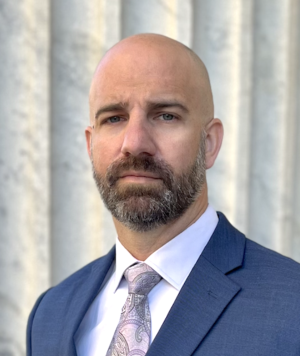 Featured presenter Jim Schmidt, Gabby Petito’s stepfather, Board Member of The Gabby Petito Foundation and a former first responder, will lead several sessions throughout the day. Drawing on lessons from the Gabby Petito case and his work in domestic violence education, Schmidt will explore how missed warning signs, gaps in communication and other challenges can affect the response to domestic violence.
Participants will also break into specialized training tracks focused on first response and law enforcement, healthcare and mental health, and advocacy and child welfare. The day will conclude with a discussion of how participants can apply what they have learned and identify opportunities for continued regional collaboration.
“This is about what happens after the training,” Fox said. “We want participants to take what they learn back to their organizations and use it to strengthen how we respond to domestic violence throughout our region. Ultimately, the goal is to create a more informed, coordinated response that holds abusers accountable and helps survivors get the safety and support they need.”
Registration is $125 per person and includes continental breakfast, lunch and refreshments, conference materials and practical resources, and a certificate of participation. The Summit will also include networking opportunities and skill-building sessions. Continuing education units (CEUs) are being applied for across multiple professional disciplines.
The Summit is hosted by SafeSpace in collaboration with the Circuit 19 Domestic Violence Task Force and The Gabby Petito Foundation. Sponsors include the Wong Family Foundation as the Presenting Sponsor, Jan and Jessica Malasek and Inspired Closets as Community Partner Sponsors, The Gabby Petito Foundation as the Impact Sponsor, and House of Hope as the Supporting Sponsor.
To register, learn about sponsorship opportunities or get more information, visit SafeSpaceFL.org/events or contact info@safespacefl.org.
About SafeSpace
SafeSpace is the Treasure Coast’s only state-certified domestic violence center, serving survivors and their children 24/7. Since its founding, SafeSpace has provided more than 500,000 safe nights of shelter to over 40,000 victims and children. Its comprehensive programs include shelter, legal advocacy, financial literacy, counseling, prevention education, and specialized children’s services.

Florida Resilience Conference Returns to Charlotte Harbor Sept. 23-25 with Focus on Collaboration in Action
Charlotte Harbor, Fla. – Across Florida, resilience is increasingly moving from planning to implementation as communities confront challenges involving water, coastal systems, energy, infrastructure, land use and growth. Addressing those pressures requires coordination across disciplines, levels of government and the public and private sectors.
That need for coordinated action will be at the center of the 5th Annual Florida Resilience Conference, Sept. 23-25 at Sunseeker Resort in Charlotte Harbor. Co-hosted by the Florida Shore & Beach Preservation Association (FSBPA) and Resiliency Florida, the conference is expected to bring together approximately 600 elected officials, engineers, scientists, planners, policymakers and industry leaders under the 2026 theme, “Advancing Resilience: Collaboration in Action!”
“Florida has made tremendous progress in identifying our resilience challenges, and now the focus is increasingly on putting solutions into action,” said David Rathke, Executive Director of Resiliency Florida. “This conference creates an opportunity to bring together the people making policy, designing infrastructure, managing natural systems and implementing projects across the state.”
The conference comes as Florida continues to invest in resilience projects and communities work to put those investments to use. Recent state action has placed additional emphasis on infrastructure improvements and nature-based approaches, while communities are navigating growing demands on energy, water and other critical systems.
Conference sessions will examine these issues through four tracks: Beach Management, Energy, Gray and Green Infrastructure, and Smart Planning. Topics will explore how communities are strengthening coastlines and natural systems, tackling demand and modernizing energy systems, integrating traditional and nature-based infrastructure, and aligning growth, land use and investment decisions with long-term resilience goals.
“There is no one-size-fits-all approach to resilience in a state as diverse as Florida, but there are common threads” said Pepper Uchino, president of the Florida Shore & Beach Preservation Association. “What works for one community may not work for another, which makes sharing expertise, lessons learned and proven solutions from across the state especially valuable.”
The 2026 program will feature state and federal leaders directly involved in shaping Florida’s resilience policies, programs and infrastructure investments.
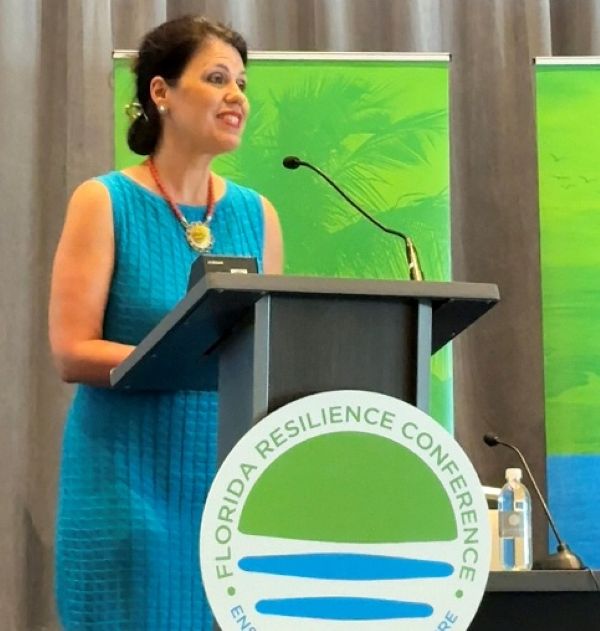
Sen. Ana Maria Rodríguez addresses a crowd of more than 600 leaders at last year’s Florida Resilience Conference
- Sen. Ana Maria Rodríguez, who represents District 40, including Monroe County and part of Miami-Dade County, will deliver the Opening Legislative Keynote: Florida’s Environmental Outlook on Policy and Funding, providing insight into the state’s environmental priorities and legislative accomplishments.
- Eddy Bouza, Chief Resilience Officer and with the Florida Department of Environmental Protection’s Office of Resilience and Coastal Protection, will discuss the executive agencies’ Statewide Resilience Initiatives and Florida’s ongoing efforts to help communities prepare for flooding and other environmental challenges.
- Col. Brandon Bowman, Commander of the U.S. Army Corps of Engineers Jacksonville District, will deliver the USACE Jacksonville District Commander’s Update, a long-standing cornerstone of the conference. He will provide an overview of the district’s mission and ongoing efforts in navigation, restoration and resilience across Florida.
The conference also includes the annual meetings of the Florida Shore & Beach Preservation Association and Resiliency Florida. FSBPA serves as a statewide voice for Florida’s coastal communities on beach and shoreline issues, while Resiliency Florida brings together public- and private-sector leaders to advance statewide and regional resilience strategies.
Registration and additional information about the 2026 Florida Resilience Conference are available at floridaresilienceconference.org.
A group of people made public comment regarding stopping data centers, and Commissioner Ed Ciampi wants staff to bring back a moratorium on proceeding with data centers.
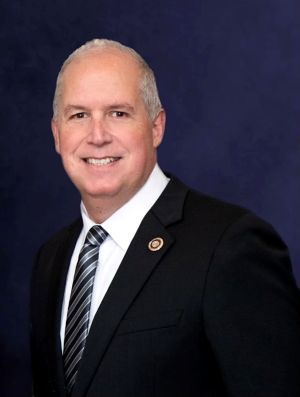 At present, there are no active data center applications being processed. If the county were going to do so, now would be the time. Commissioner Hetherington, who did not run for reelection, seconded the motion because she thought staff would give a presentation before having an outright moratorium. That is not what Ciampi meant. It was to draft language for a moratorium.
Hetherington withdrew her second and Commissioner Capps then seconded the motion. It passed 4-1 with Hetherington voting no.
When asked if a moratorium would violate SB 180 which forbids any change in the LDRs until October 2027, County Attorney Elder said she didn’t think so but would have to do further research. SB 484, which was subsequently passed after SB 180, has one provision that leaves it up to local government to decide whether data centers can be allowed in the LDRs or not. She believes the legislature wants the bills to be read concurrently. That means a moratorium would not violate SB 180.
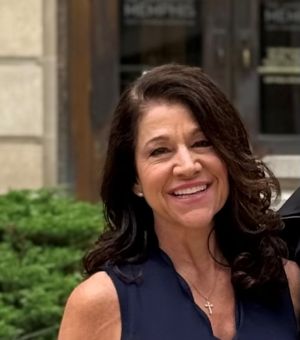 Elder is an attorney, and her opinion is valuable but not infallible. If SB 484 only had that one provision that data centers are to be regulated by local government, then her point would be reasonable. But 484 does so much more.
Some of the key provisions are that it prohibits public utilities from passing the cost of data center infrastructure and energy costs on to residential and small business rate payers. It sets water and environmental rules requiring consumptive use permits by the DEP or water management districts and they may mandate the use of reclaimed water. It provides for foreign ownership restrictions. The legislation bans local governments from entering non-disclosure agreements or secret agreements with developers of centers.
SB 484 is far reaching legislation that does much more than just give local government jurisdiction. I would venture that an attorney for a data center could say that local jurisdictions that already have a moratorium in place or even completely prohibited data centers before passage of SB 180 could continue to do so. Further SB 484 is an omnibus bill and currently the more important provisions are the ones I outline regarding water and electricity.
 I would like to know where a data center would currently be allowed in Martin County. What opponents of data centers never seem to quantify is size. As my article published here shows, most centers are located in urban areas and are next door to residences and offices. Are they saying America should ban all or just limit the size of what is acceptable?
SB 484 is a very good bill since it does regulate water and electric use. Ultimately it will allow changes to current zoning and LDRs by local governments. What SB 484 does not do is supersede SB 180 prohibiting changes to zoning and LDRs.
In Martin County Moments on August 15th and in the August 23rd edition of Friends & Neighbors, I wrote about the commission overriding an administrative decision of Administrator Don Donaldson regarding granting a permit to Cory Beaton for the building of a home on the banks of the Loxahatchee River.
The lot falls within a 2-acre zoning district. Mr. Beaton claims to have two acres. Martin County staff sees the parcel as less than two acres.
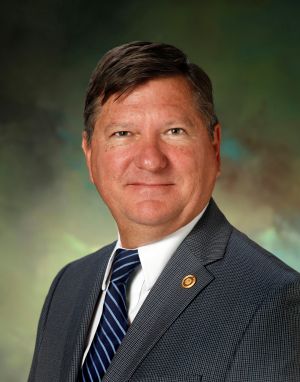 This was a simple proceeding that the commission should have found for Donaldson’s decision because that decision was arrived at by the preponderance of the evidence offered. If the commission had done so, then Beaton’s remedy would have been to plead his case at the circuit court. Instead, once again politics was played and Ciampi at first wanted to remand it back to Donaldson for further consideration. This was Ciampi’s way of saying that the county should go ahead and do something that is against the Comp Plan, and the commission wouldn’t have to dirty their hands.
Donaldson then said given the facts, his decision was not going to change. If a permit to build a house was going to happen, then it was up to the commission to order it. And in a 3-2 vote, that is what they did.
Here is the problem…no elected body can grant a permit that contradicts the Comp Plan (and what I pointed out in my article in the August 15th and 23rd editions here . I titled my article “Three Commissioners Own This Mess.”
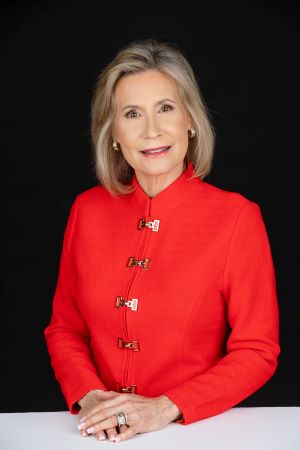 During this meeting, Commissioner Vargas said that Beaton was untruthful, and he had contacted DEP when he said he hadn’t which precipitated her bringing this back up. Perhaps Beton lied or maybe he misunderstood the questions, but that is not the point. Vargas, Hetherington, and Ciampi, instead of following Article X procedures decided they were going to be finders of fact. That wasn’t their responsibility.
Instead, they opened the county up to doing something illegal. I would imagine behind the scenes no staff member wanted to sign off on a permit to build a house in violation of state law. Vargas was persuaded to reverse herself and ask staff to see if Beaton would agree to take one acre zoning which had been offered by staff originally and then a house could be built.
If it doesn’t work out, it will be back before the commission. This time, commissioners, just follow the procedure as outlined in Article X. Stop grandstanding to whomever you think is watching your performance on MCTV.
It is all well and good to claim that Giardino was “finding his way” as Commissioner Giobbi was quoted as saying. But finding your way is not what any commissioner or any constituent should find acceptable in a city manager. Finding your way is what should be done years before assuming a position where millions and millions of dollars are your responsibility along with citizens’ and employees’ lives and livelihoods.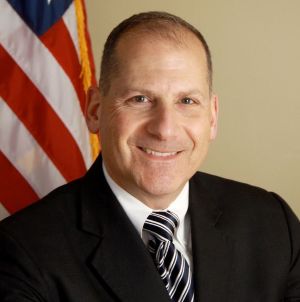
In that respect Giardino was an abject failure. The audit from last year has not been completed yet which means it is not on time. It was due several months ago. There are severe repercussions at the state level for receiving everything from sales tax to grants if the state finds Stuart not in compliance.
The finance department staff he hired is so incompetent that the 2025/26 budget that is supposed to be on the city’s website bears no resemblance to the one passed last year by the commission. It was there prior to his administration. That should have never been touched but incompetence ruled the short Giardino administration.
The commission never voted on the maximum millage rate that they gave to the property appraiser. They didn’t properly advertise it. Usually, the City Clerk handles all advertisements but the ads for millage are so different and precise that for the past decades, the Finance Director has done so in order not to be out of compliance with the state. Needless to say, as of now we are out of compliance with the state.
Looking at their supposed budget for 2026/2027, you don’t have to be a financial genius to know these numbers are not going to add up. Budget amendments have never been made but when asked Giardino said none was necessary. Even before the last manager and finance director were fired by the past commission majority, they had begun preparing those amendments to be within Florida Statute.
 You can’t blame commissioners for not knowing the intricacies of budgeting and a hundred other things about how a city operates. They are policy makers not administrators. They rely on competent staff to make sure the intricacies of the law are followed. The city has won budgeting awards each year for decades…until now.
Michael Giardino is probably a very nice guy. He probably was an exceptional naval aviator and airport manager. Michael Giardino was not a city manager. You don’t start at the top and expect to know how a city operates, especially a Florida city.
He never was part of our community. I understand he was “on PTO” much of the time. I heard he didn’t meet with people or return phone calls. That is the other part of the job. Something you don’t have to do at an airport or on a ship.
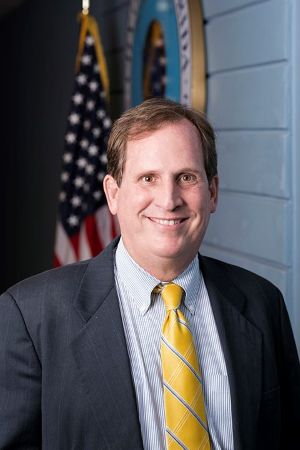 Is Mike Mortell the only person that could be a manager? Of course not, but the commissioners know him. More importantly, staff know him except for the one or two less than competent people that Giardino hired. Most importantly, the people of Stuart know Mortell. They are his neighbors, life-long friends, and acquaintances.
Mortell won’t take forever to get up to speed. He is already there. And to paraphrase Giobbi, he won’t have to find his way.
When Sean Reed was elected Vice-Mayor of the City of Stuart, Campbell Rich stated that the majority on the commission was going out of order.
What Rich meant by that was that everyone gets a chance to be mayor and vice mayor. At that time, the next person in line was not Reed but Eula Clarke. She should have been the vice mayor in 2026.
By regular order Collins became mayor because he was vice mayor the year before. That was regular order. But Eula, becoming vice mayor, didn’t fit into Chris’ plans because Collins wanted to be able to control the agenda and get things done even after he resigned from the Stuart commission to run for county commission.

The Politburo couldn’t afford to make Clarke the vice mayor because she would have become the mayor and control the commission’s agenda instead of Reed. So, they were forced to forget about regular order.
At the last commission meeting, Rich made the motion to have Clarke become mayor thereby restoring that regular order. It wasn’t a revenge move but just giving Clarke what was due to her.
The proof of that was that Giobbi would have became vice-mayor if she hadn't resinged the position because Rich nominated her and he, Clarke, and Matheson voted her into office. That is a return to regular order. It is the way the mayorship always was chosen in Stuart. It’s a good way. Commissioners always called it regular order.
New council members, Christa Miley, Janet Hernandez, and Anthony Dowling were sworn into office. Hernandez and Dowling had been on the council previously but had lost their seats four years ago. The ying and yang of Martin County is still going strong.
When it was time to choose a mayor, Dowling nominated Vice Mayor Phyliss Waters-Brown to replace Carmine Dipaolo who was defeated in the last election. Christa Miley, who had just been elected, was nominated by Hernandez. The vote was 4-1 to choose Waters-Brown.
Miley nominated herself for vice mayor. Brown nominated Vernestine Palmer-Williams. The vote was 3-2 for Miley with Dowling, Hernandez, and Miley signifying yes.
In the past two years meetings, averaged a little over an hour. This one came in at 4 hours. The “Forever Meeting” may be back.
On the night that Dowling, Hernandez, and Miley were elected, Village Attorney Wade Vose had drafted his firm’s resignation letter from representing Indiantown.
For 4 years, beginning in 2018 to 2022 Vose served with Dowling and Hernandez. He had already been through that experience once. He didn’t want to go through it again. I don’t blame him.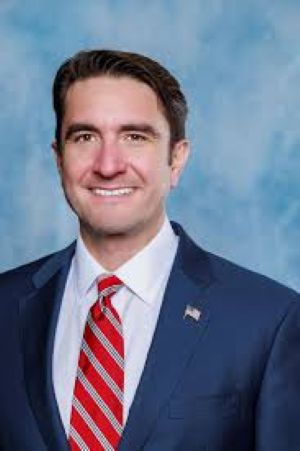
One of the few things that was decided at the meeting was to put out an RFP to choose another attorney. The village wants to have someone in place by October 22nd. Then what?
Vose was a straight shooter and worked well with Kryzda, the village manager. Probably Kryzda will follow Vose, either voluntarily or not, soon. Vose just didn’t have it in him to begin making excuses for the village with the county and, more broadly, with the state for its actions going forward.
The action to prevent data centers is illegal under SB 180. I go into it here more deeply. Martin County has an uncanny way of taking three steps backward for every two forward. We are in the process of doing that with data centers both in Indiantown and the county.
As the attorney for the village, Vose has advised them that he believes their proposed action will be in violation of state law. I applaud him for standing up for the law and to a higher principle than making a paycheck.
Hernadez, who attended the August 27th meeting virtually, wasted no time in trying to make an official change to the Land Development Code to stop data centers.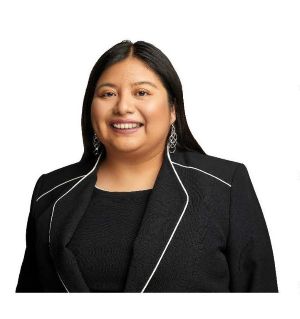
The first motion Hernandez made was for a moratorium resolution (I am unclear as to whether it was a moratorium, ZIP. Or something else) that Miley seconded. Hernandez used several terms like moratorium, ZIP, resolution, and ordinance inter-changeably. Attorney Vose tried to get an understanding about what she meant.
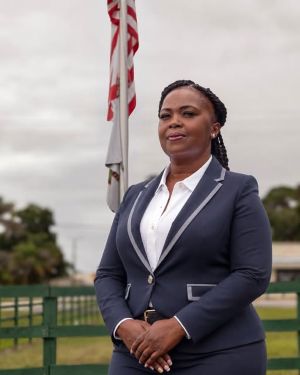 Hernandez finally said she wanted to have a special meeting within 72 hours to enact something. Again, Vose was not in favor of rushing since it would take more time to discuss. Finally, Phyllis Waters Brown asked what the council was trying to accomplish.
There was no response, but they all knew what was to be accomplished and that was to not allow data centers.
Hernandez went on to say another municipality had passed a ZIP or moratorium. She said that Vose should call her for more information. Based on that, there will be a special meeting on Tuesday September 1st to discuss it. Vose said he didn’t believe he would have anything they could vote on that quickly.
Robert Raynes, a local land use attorney, spoke. He said that a moratorium would violate SB 180. Further he remarked that his clients would protect their property rights. I understand that law firms are standing by to bring an action as soon as any ZIP, Moratorium, or Whatever is enacted.
In a not unsurprising move, Village Manager Taryn Kryzda was terminated in a 3 to 2 decision. The new majority of Miley, Dowling, and Hernadez decided that Kryzda was too tied to the defeated council members Dipaolo, Onsager, and Perez.
I had heard that Dowling and Hernandez wanted to bring Howard Brown back as the manager. Two Indiantown residents told me that they had recently seen Brown in the village. Brown was appointed city manager of Westlake at the end of May. His total current compensation is $265,000 as an independent contractor.
Contrary to what you may have been led to believe by Facebook and other publications, changing a manager is not that unusual when an election occurs with a new majority. Stuart’s Politburo termination of Mortell in October was more unusual because most of Stuart’s citizens, taxpayers, and business owners were quite happy with how the city was managed. There had not been a new election with new commissioners in over a year.
 What was unusual in Indiantown was the fact that former Stuart manager, Giardino, was at the meeting. But then maybe not that unusual since orchestrating the entire meeting supposedly about data centers from the audience were Eric Miller and in-coming county commissioner Chris Collins. Giardino, a Collins acolyte, was hired as interim village manager at that meeting.
Litigator Ethan Loeb was at the meeting with a stenographer. I assume he is there to represent a landowner that will only be too happy to sue the village the minute a moratorium is passed. Loeb was heard remarking "Lakepoint 2.0" referring to the lawsuit that cost Martin County millions of dollars about a decade or so ago.
Collins was not able to have any of his other acolytes as candidates elected in Stuart. I don’t think he helped any of the three Indiantown council members gain their seats. Collins has been a vocal opponent of data centers (at least for now) and has allied himself with Gadfly Eric Miller. I would imagine that Collins is chomping at the bit to do what he did to Stuart, what he is doing now in Indiantown, and what he intends to do in the county… bring chaos, corruption, and increased costs.
At last Thursday’s meeting, the council approved an RFP to hire a new law firm over the next 8 weeks. But at this meeting, they hired Weiss Serota Helfman Cole & Bierman to be their attorneys. What happened to the RFP?
This is the firm that Collins selected to unsuccessfully represent Stuart in overturning SB 180. They were also my attorneys in the recently successful Amendment 3 litigation resulting in having the ballot language rewritten to be more transparent and clear.
The board decided that they wanted an attorney that would tell them what they wanted to hear regarding having a moratorium on data centers. Former Village Attorney Vose had been adamant that SB 180 prevents changing their LDRs. Weiss Serota will tell them what they want to hear and then when the legal fight begins, they will only be too happy to represent them in the lawsuit. Vose does not litigate.
 It came out that Dowling and Hernandez had spoken to Giardino earlier about the position. There is nothing unusual about that. While Mortell’s contract is being negotiated, Stuart appointed its interim manager from existing department heads. I would imagine several department heads at Indiantown will be following Kryzda and Vose out the doors shortly.
An elected body should have the manager it wants. With both Giardino and Mortell, that is the manager, each will deserve.
 There are so many fallacies going around regarding the administration of Stuart under Michael Giardino that some want to make his dismissal personal. It isn’t.
This isn’t about Giardino as a human being. It isn’t about his past service to the nation or his ability as an airport director. Giardino was just completely over his head as Stuart’s city manager.
The real blame for the debacle that happened with the budget and staffing should be laid at the feet of Collins, Reed, and Giobbi. Collins and then Reed wanted someone they could control. They wanted to be the city manager, and they found the perfect cipher to carry out their wishes.
In the Navy or maybe as an airport employee, a subordinate takes his marching orders from his superiors. That is not the way city government works in Florida. Technically commissioners have no authority over any staff except the attorney and manager. The city manager can require that commissioners go through him and never speak with staff.
It has been a little different in Stuart, but no commissioner should be issuing orders to anyone. They set policy that the manager and his staff then carry out. Commissioners don’t determine what employees do what task or how many are hired and who is fired. Unfortunately, Giardino never figured that out. He was used as a tool to deliver a dictated end by the Politburo.
It all came to a point in the finance area. I have written extensively about how nothing was being done right in that department, from the setting of the millage rate to the audit, to even reconciling bank accounts for the past several months, which had not been done. It probably is just shy of criminal but not by much.
If this was any other time in the city’s history at least in this century, there would have been capable department heads to pick up the slack. The entire finance department was decimated by the Politburo putting their hands into the mix and ordering staff to do things that no professional city manager would allow.
The City of Stuart will take several years to recruit new people to work not only in finance but throughout the bureaucracy. If you have tried to have a permit approved by the development department, I bet you have had to jump through hoops for anything more complicated than a water heater. No one is doing anything. There certainly is no accountability at present.
The new commission majority could not wait to go through a months-long search for a new city manager. The city would have probably stopped receiving state money because of the absence of the required audit. Michael Mortell was willing and able to come back to right the ship that had come way off course since he left. In the past few years since the Politburo took over, the city had become dysfunctional.
Mortell knows the city and has the ability to hit the ground running after the devastation of the Politburo. Collins, Reed, and Giobbi got what they wanted in Giardino as a city manager which was an empty vessel who would do their bidding. Unfortunately, they were even more incompetent than the manager. And Giardino didn’t know enough to understand what was happening.
That doesn’t mean that Mortell is completely off the hook either. He can’t allow the sloppiness that had crept into his first administration to pervade his second tenure. He owes the city sound and prudent professional management. Mortell needs to hold his staff accountable for their departments. They are supposedly the experts in their fields, but first and foremost they are the managers of their subordinates. Mortell may be hired and fired by the commission, but he is responsible to every resident, businessperson, and taxpayer.
Giardino said he wanted to always be a city manager, but it takes more than wanting to be successful at any profession. It takes education and experience. He had none. And it showed.

IF YOU ARE NOT A SUBSCRIBER DO SO FOR FREE HERE www.friendsandneighborsofmartincounty.com
GET THE WORD OUT
Friends and Neighbors of Martin County is your eyes and ears so that you know what is going on in Martin County’s municipal and county governments. I attempt to be informative and timely so that you may understand how your tax money is being spent. Though I go to the meetings and report back, I am no substitute for your attending meetings. Your elected officials should know what is on your mind.
.
Tom’s Articles
From Medium
"Trumps Oligarchs"
The U.S. Under Trump Is No Christian Nation"
From Martin County Moments
"Why The Commission Needed To Replace Giardino"
"Regular Order"
"The Data Center Controversey Is Illogical"
Other Articles
Wall Street Journal: "Everyone Dreams of Island-Hopping Through Greece-Until They Board the 'Vomet Comet"
The Capitolist: "Florida rejects $17 billion Meta settlement"
DealBook: "Harvard Is Selling a $699 Course taught by A.I. Clones of its Facaulty"
The New York Times: "How Developer Stephen Ross is Remaking West Palm Beach"
The Economist: "The restaurant business is changing beyond regognition"
The New York Times: "Humans Love Having Pets. Seems Like Some Other Primates Do. Too."
Wall Street Journal: "Local Business Group Sues Over Mamdani's Plan to Open Municipal Grocery Stores"
The Capitolist: "New Poll Shows Amendment 3 Above 60% Threshold With Revised Language"
The New York Times: "Electricians Love Data Centers. You Should, Too"
Wall Street Journal: "Why Thousands of Florida's Workers Are Disappearing"
Copyright © Sept 4, 2026 Friends & Neighbors of Martin County, LLC., All rights reserved.